







From Passion Project to Profession
You’ve seen them everywhere: the fitness enthusiasts filming their sets in the corner of the gym, the yoga instructors streaming a sunrise flow, the nutrition coaches sharing meal prep tips on TikTok. For the longest time, the path to making a living
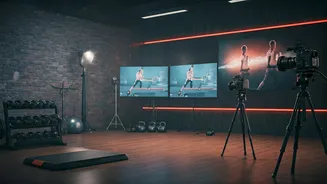
from this was murky, relying on a mix of luck, viral moments, and tireless solo effort. But that landscape is changing. Enter the “creator lab” or accelerator program—a concept borrowed from the tech startup world and now applied to the creator economy. These aren't physical laboratories with beakers and test tubes. They are structured programs, often run by social media platforms like YouTube and TikTok or by major brands like Gymshark, designed to find promising creators and give them the tools, training, and connections to go pro. Think of it as a business incubator for influencers, where the product being developed is a personal brand.
The Unofficial 'Creator' Curriculum
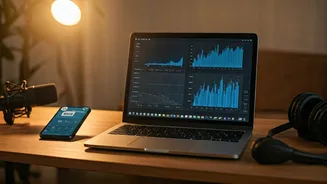
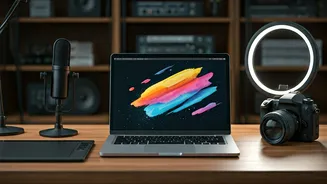
So, what exactly happens inside one of these labs? It’s far more than just a check and a high-five. These programs offer a curriculum that bridges the gap between creating good content and building a sustainable business. Participants learn the nuts and bolts of professional content creation: advanced video editing, lighting techniques, and audio mixing to make their content look and feel premium. More importantly, they dive deep into business strategy. Creators are taught how to read audience analytics to understand what’s working, how to develop a consistent content schedule that maximizes engagement, and how to build a community, not just a follower count. The most crucial element is monetization. These labs provide workshops on how to price brand partnerships, negotiate contracts, diversify revenue streams through merchandise or digital products (like workout plans), and navigate the complex world of sponsorships without alienating their audience. It's a crash course in modern entrepreneurship.
Why Big Business Is Investing
This isn’t just a charitable act to help aspiring creators. Platforms and brands have a powerful incentive to fund these labs. For platforms like YouTube, Instagram, and TikTok, nurturing high-quality creators keeps users on their sites longer. Polished, reliable, brand-safe creators are the engine of their business model. By investing in them, they are essentially cultivating their own premium content pipeline. For consumer brands, especially in the fitness space, creator labs are a new form of talent scouting and marketing. Instead of paying a massive one-off fee to a mega-influencer, a brand like Nike or Lululemon can invest in a cohort of up-and-coming creators. They build loyalty early, shape the creators’ content to align with their brand ethos, and generate a steady stream of authentic, cost-effective advertising that resonates far more deeply with consumers than a glossy magazine ad ever could.
Not a Golden Ticket
While the opportunity is real, getting into one of these programs is incredibly competitive, with acceptance rates rivaling those of elite universities. Furthermore, success isn't guaranteed. The programs provide the tools, but the creator still has to do the grueling work of building an audience, staying relevant, and constantly innovating in a crowded market. There’s also the implicit trade-off: in exchange for resources and access, creators may feel pressure to align their content with the goals of the sponsoring platform or brand. They are, in essence, becoming a highly skilled part of someone else’s marketing machine. The creator lab model doesn't eliminate the hustle required to succeed in the creator economy; it just provides a more structured framework for that hustle. It professionalizes the path, but it doesn't pave it with gold.