




Understanding the Seasonal Threats
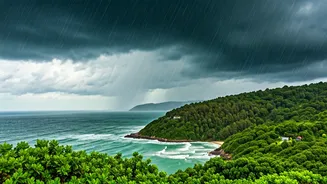
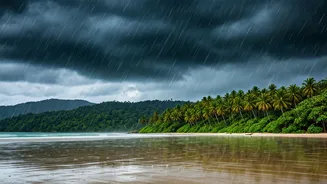
For American travelers, understanding India’s weather requires moving beyond a simple forecast. Andhra Pradesh is primarily impacted by two distinct monsoon seasons. The main event is the Southwest Monsoon, which typically runs from June to September,
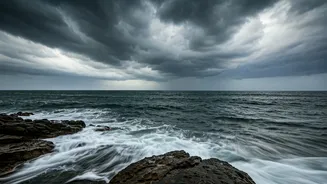
bringing widespread, heavy rainfall. While vital for agriculture, it can cause significant travel disruptions, including localized flooding and washed-out roads. More concerning for the coastal regions is the Northeast Monsoon, from October to December. This season is often accompanied by the formation of cyclones in the Bay of Bengal. These powerful storms, equivalent to hurricanes in the Atlantic, can bring destructive winds, torrential rain, and dangerous storm surges, posing a significant risk to anyone near the coast.
Why the Bay of Bengal is Different
It’s crucial to understand why this region is so prone to severe weather. The Bay of Bengal is a unique body of water—warm, shallow, and semi-enclosed—which creates a perfect breeding ground for intense tropical cyclones. When these storms form, they have a high probability of making landfall along the eastern coast of India, with Andhra Pradesh and neighboring states like Odisha and Tamil Nadu frequently in the crosshairs. Unlike the sudden thunderstorms you might be used to in the U.S., these systems are vast and can impact travel and infrastructure for days. A cyclone warning isn't just about a day of bad weather; it’s about the potential for widespread power outages, transportation shutdowns, and the need for possible evacuation from low-lying coastal areas.
How to Stay Officially Informed
Your go-to weather app might not provide the specific, localized warnings needed during a cyclone event. The single most important source of information is the India Meteorological Department (IMD). The IMD is the official government agency responsible for tracking and issuing warnings for cyclones and other severe weather. Their website provides detailed bulletins, color-coded warnings (yellow, orange, red), and projected storm tracks that are far more reliable than generic international weather services. Before and during your trip, make it a habit to check the IMD’s official site. Additionally, many U.S. travelers find it helpful to follow Indian news outlets on social media, as they provide real-time updates and on-the-ground reports during a weather emergency. Do not rely on word-of-mouth or anecdotal information when official warnings are being issued.
Practical Steps for Travelers
Being prepared can make all the difference. If your travel dates fall within the monsoon or cyclone season (June-December), especially the latter half of the year, take these precautions: * **Build Flexibility Into Your Itinerary:** Do not book tight, non-refundable connections. Flights and trains are often the first things to be canceled. Have backup plans and be prepared to stay put for a few days if necessary. * **Purchase Travel Insurance:** Ensure your policy specifically covers trip cancellations and interruptions due to natural disasters. Read the fine print before you buy. * **Pack an Emergency Kit:** Include a power bank for your phone, a small first-aid kit, any necessary medications, a flashlight, and some non-perishable snacks and bottled water. Power grids can be unreliable during severe storms. * **Communicate Your Plans:** Register your trip with the U.S. State Department's Smart Traveler Enrollment Program (STEP). This makes it easier for the embassy to contact you in an emergency. Also, ensure a friend or family member back home has a copy of your itinerary.