



Embrace the Power of Yogurt
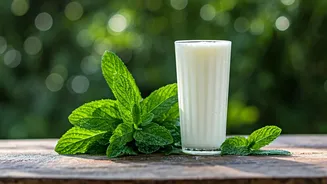
In the U.S., we think of yogurt as a breakfast food. In India, it's a heat-fighting superstar. Fermented dairy drinks like lassi (a thick, blended yogurt drink, often sweet or salty) and chaas (a thinner, spiced buttermilk) are staples in the sweltering
summer months. Why do they work? First, they are deeply hydrating. Second, the probiotics in yogurt support healthy digestion, which can become sluggish in high heat. A heavy, hard-to-digest meal generates more metabolic heat, making you feel even hotter. A light, yogurt-based drink or side dish like raita (see below) does the opposite, helping you feel light and cool.
Rethink Your Lemonade with Nimbu Pani
Forget overly sweet lemonade from a powder mix. Nimbu Pani is the quintessential Indian summer cooler for a reason. Made from fresh lime or lemon juice, water, sugar, and often a pinch of salt and roasted cumin, it’s a perfectly balanced electrolyte drink. When you sweat, you don't just lose water; you lose essential salts like sodium and potassium. The salt in Nimbu Pani helps your body replenish these stores and absorb water more effectively, combating dehydration far better than plain water alone. The hint of spice adds a layer of flavor that makes rehydrating a pleasure, not a chore.
Discover Mint and Cucumber's Cooling Magic
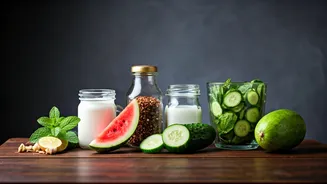
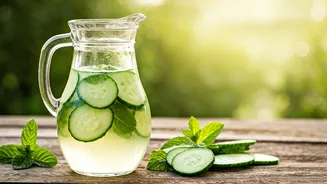
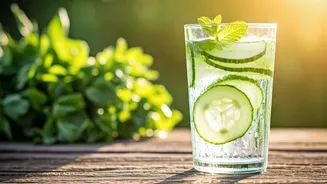
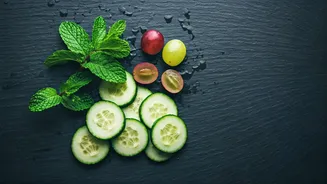
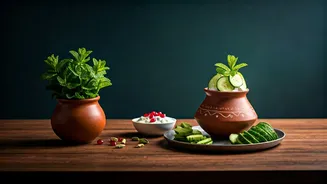
There's a reason mint feels cool in your mouth. It contains menthol, a compound that tricks the receptors in your brain into perceiving a cold sensation, even when there’s no actual temperature change. Indian cuisine masterfully deploys this trick. You’ll find fresh mint ground into chutneys or blended into drinks. The other key player is cucumber. Composed of about 95% water, it’s basically hydration in vegetable form. The classic combination is raita, a simple dish of grated cucumber mixed into spiced yogurt. It’s served alongside spicy main courses to provide a cooling contrast, soothing both the palate and the body.
Harness the Hydration of Humble Seeds
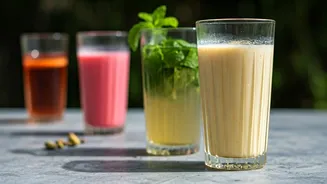
Ever seen tiny black seeds floating in a brightly colored drink at an Indian or Southeast Asian restaurant? Those are likely sabja seeds (also known as sweet basil seeds or tukmaria). When soaked in water, these unassuming seeds swell up, creating a gelatinous coating. This gel is full of soluble fiber and has an incredible ability to hold water, releasing it slowly as it passes through your digestive system for prolonged hydration. They are famously used in falooda, a dessert-drink hybrid made with rose syrup, milk, and vermicelli, but you can also just add a spoonful of soaked seeds to water or lemonade for a simple cooling boost.
Lean on Water-Rich Fruits and Vegetables
This might seem obvious, but the sheer variety of ways Indian cuisine uses hydrating produce is an art form. Watermelon, one of the most hydrating fruits available, is often eaten plain, sprinkled with a little black salt to replenish electrolytes. Another summer hero is the raw, unripe green mango. It’s too sour to eat on its own, but it's the star of a tangy, spiced drink called Aam Panna. This savory cooler is celebrated for its ability to prevent heat stroke and digestive issues caused by extreme temperatures. It’s a perfect example of using seasonal ingredients not just for flavor, but for their functional, body-cooling benefits.
Eat Lighter and Spicier (Yes, Really)
It sounds counterintuitive, but eating spicy food can actually help you cool down. The capsaicin in chili peppers triggers a sweat response. As that sweat evaporates from your skin, it creates a powerful cooling effect. This is one reason why cuisines from the world’s hottest climates are often the spiciest. The trick is to pair the spice with cooling elements like yogurt or cucumber and to keep the overall meal light. Heavy, greasy, or protein-dense foods require more energy to digest, raising your core body temperature. Summer meals in India often feature lentils, vegetables, and rice—foods that provide energy without weighing you down.