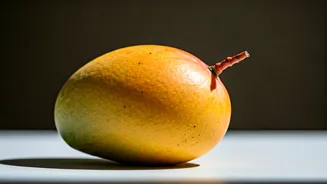







Meet the Unwanted Guest
Before you swear off fruit forever, let's identify the culprit. The tiny “worm” you’re seeing is almost certainly not a worm at all. It’s the larva of a fruit fly. The most common offenders in mangoes shipped to the U.S. are species like the Mexican fruit fly (*Anastrepha
ludens*) or the Caribbean fruit fly (*Anastrepha suspensa*). Here’s how it happens: A female fruit fly uses a sharp organ called an ovipositor to puncture the skin of a still-growing mango and lay her eggs inside. The puncture site is often so small it’s nearly invisible. Days or weeks later, those eggs hatch into larvae, which happily feed on the sweet pulp, growing inside their all-you-can-eat buffet. You, the unsuspecting consumer, are unlikely to notice anything is amiss until you cut the fruit open.
Why Does This Seem to Be Happening More?
It might feel like you're hearing about this more often, and there are a few reasons for that. First, the U.S. imports a massive volume of mangoes, primarily from Mexico, Peru, Ecuador, and Brazil. Tiny lapses in pest control at any point along that vast supply chain can lead to infested fruit slipping through. Second, climate factors can cause fruit fly populations to boom in their native regions. Finally, to bring fresh fruit to U.S. consumers, much of it must undergo quarantine treatments, like hot water dips or irradiation, to kill pests. These systems are highly effective but not 100% foolproof. A small number of eggs can sometimes survive the process, especially in a year with high pest pressure. It's less of a new plague and more of a persistent agricultural challenge that occasionally makes its way to your kitchen counter.
The Big Question: Is It Safe?
Okay, let’s get to the most pressing concern. You’ve spotted the larva. Is the mango ruined? Is it dangerous if you accidentally ate a piece? The short answer is: it’s disgusting, but it’s not dangerous. Fruit fly larvae are not known to carry diseases that can harm humans. Your stomach acid is more than capable of handling a stray maggot. In fact, in many parts of the world, insects are a regular and nutritious part of the diet. Of course, “it’s safe” doesn’t mean “it’s appetizing.” The presence of larvae can also mean the fruit's flesh has started to break down and decay, which can affect the taste and texture. The best and most sensible course of action is to discard the affected parts of the fruit. If the infestation is widespread, it’s best to toss the whole thing in your compost bin and chalk it up to bad luck.
How to Spot a Bad Mango Before You Buy
While it's impossible to have x-ray vision, you can reduce your odds of bringing home a stowaway. When you're at the grocery store, become a mango detective. Gently press the fruit; it should have a slight give, but avoid anything overly soft or mushy. Look for bruised, shriveled, or leaky skin. Pay close attention to the area around the stem. Sometimes, you can see a tiny, dark pinprick where an egg was laid, or a small, soft spot that indicates something is wrong inside. A healthy mango should have smooth, intact skin and a sweet, fragrant aroma at the stem end. If it smells sour, alcoholic, or fermented, put it back.
Your Worm-Free Mango Strategy
Once you get your mangoes home, your vigilance shouldn’t stop. Don't let them sit on the counter for a week if they are already ripe. As mangoes soften, any potential larvae inside can mature. Store ripe mangoes in the refrigerator to slow down this process and extend their life. The best defense is a good offense. When you're ready to eat, don’t just slice blindly. Cut the mango cheeks off the pit, then score the flesh in a crosshatch pattern as you normally would. This process opens up the fruit and allows you to do a quick visual inspection before you scoop the cubes out or turn the skin inside out. It takes an extra five seconds and can save you from a very unpleasant surprise.