
Hydration Is a Full-Time Job
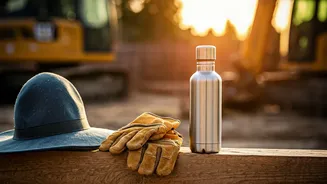
For a roofer, landscaper, or farm worker, hydration isn’t about hitting a goal of eight glasses a day; it’s a constant, strategic process. The advice from OSHA and NIOSH backs up what workers have known for generations: you can’t wait until you’re thirsty.
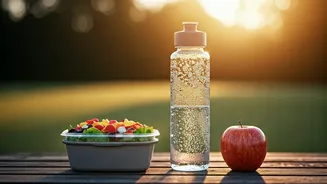
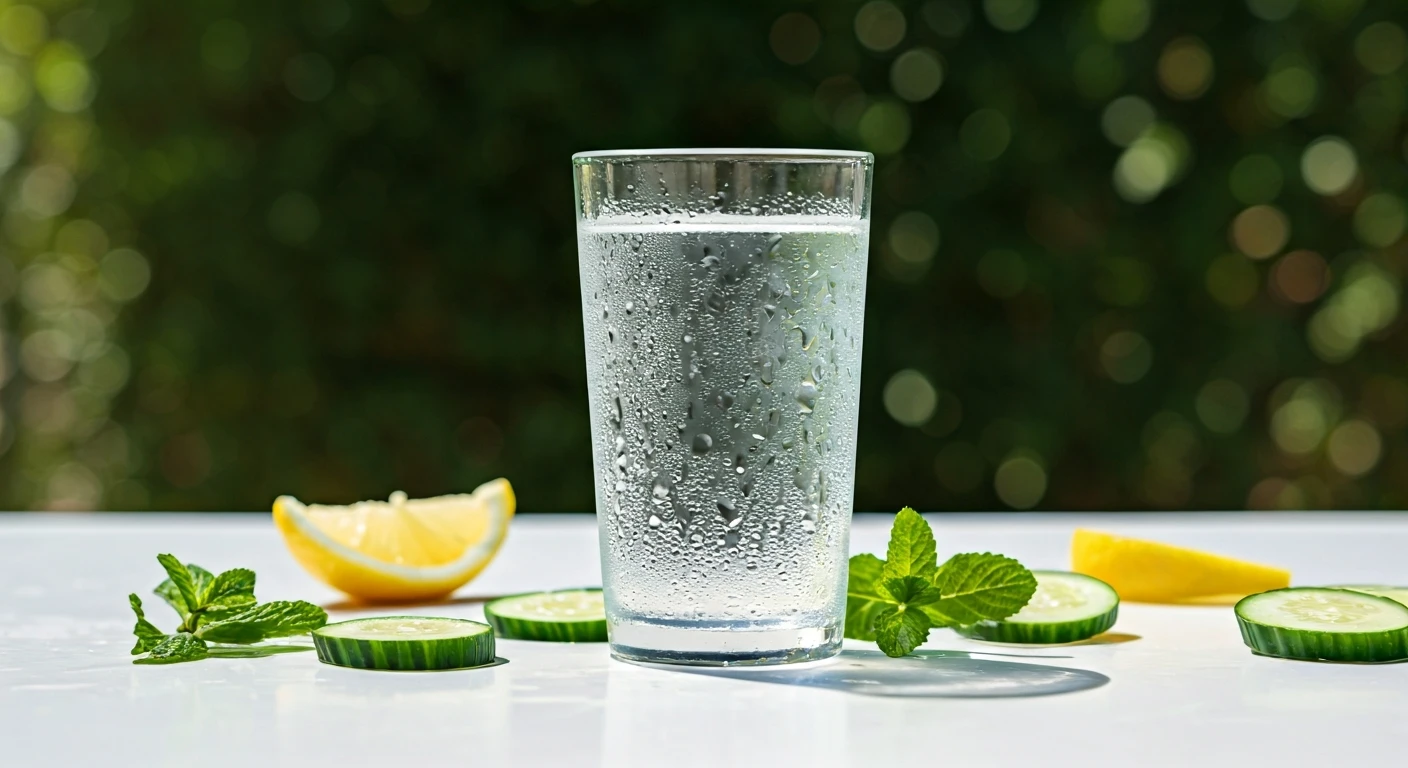
Thirst is a sign you’re already behind. The pro approach starts the night before with ample water intake. It continues first thing in the morning, long before the heat sets in. Throughout the day, it means small, consistent sips, not chugging a huge bottle at lunch, which can lead to stomach cramps. Many experienced workers alternate between plain water and a drink with electrolytes—sometimes a commercial sports drink, but just as often a homemade concoction of water with a pinch of salt and a squeeze of citrus. This replaces the crucial salts lost through sweat, which water alone cannot do, and helps stave off the dangerous effects of heat exhaustion.
Calories Are Fuel, Not Foes
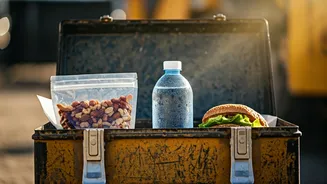
While an office-based diet might praise a light, low-calorie salad for lunch, that’s a recipe for disaster on a construction site. Outdoor physical labor in 90-degree heat can burn upwards of 300-500 calories per hour. A sparse lunch of lettuce and grilled chicken simply won’t cut it. The focus is on calorie and nutrient density. Think sandwiches on whole-grain bread packed with protein and healthy fats, like turkey and avocado or peanut butter. Other staples include trail mix, nuts, hard-boiled eggs, and bananas. These foods provide sustained energy release, not the quick spike and subsequent crash from sugary snacks or refined carbs. It’s not about overeating; it’s about providing the body with the raw fuel it needs to perform a demanding job safely without bonking in the mid-afternoon sun.
The Art of the Frozen Water Bottle
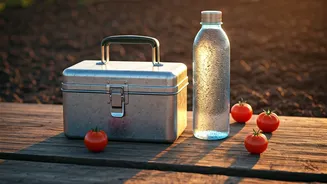
Here is a piece of practical genius you won’t find in most wellness blogs: freeze your water bottles. An outdoor worker’s lunchbox isn’t just for food; it’s a personal cooling station. By freezing several bottles of water overnight (leaving some room at the top for expansion), you create a supply of ice-cold water that melts slowly throughout the day. This guarantees a refreshing, cool drink even hours into a shift. The frozen bottles also act as giant ice packs, keeping the rest of their lunch—like that crucial sandwich or a container of yogurt—cool and safe to eat. It’s a simple, low-cost solution to two major problems: warm, unappetizing water and food spoilage. It's a testament to the everyday ingenuity required to make it through a grueling summer day.
Strategic Snacking Beats Heavy Meals
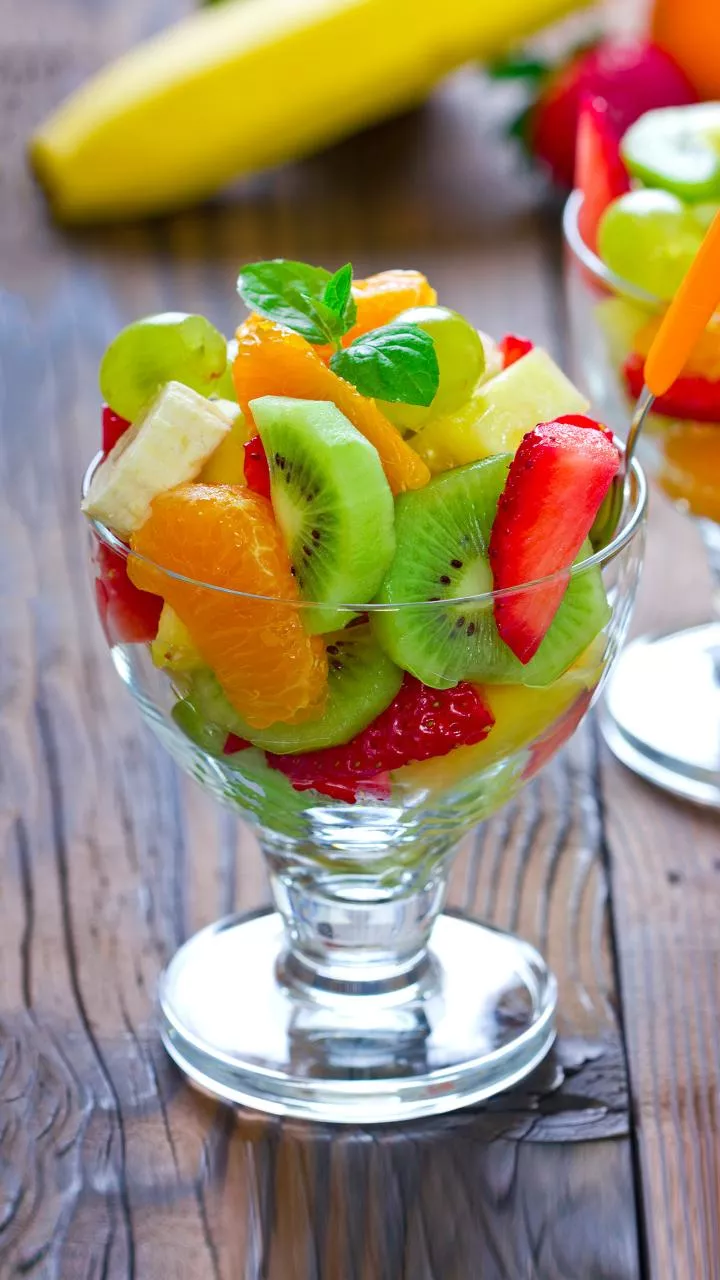
A massive, heavy lunch is the enemy of afternoon productivity, especially in the heat. Digesting a huge meal diverts blood flow to the stomach and away from the muscles, which can make you feel sluggish, tired, and even increase your core body temperature. The seasoned approach is to graze. Instead of a single large lunch, many outdoor workers eat a smaller main meal and supplement it with several planned snacks throughout the day. This keeps blood sugar stable and provides a steady stream of energy. A handful of almonds, a piece of fruit, a cheese stick, or a granola bar at mid-morning and mid-afternoon can make the difference between a productive day and a dangerous energy crash. This approach treats eating like fueling a machine—providing what it needs, when it needs it, without overloading the system.
What the Pros Leave Behind
Just as important as what goes into the lunchbox is what stays out. Energy drinks loaded with sugar and excessive caffeine are a major pitfall. They provide a temporary jolt but often lead to a hard crash and can accelerate dehydration. Similarly, sugary sodas offer empty calories and do little to properly hydrate the body. And while it may seem obvious, alcohol is a serious no-go. Even a few beers the night before can have a dehydrating effect that compromises your body’s ability to regulate its temperature the next day, significantly increasing the risk of heat-related illness. The real pros stick to the basics that work: water, electrolyte-replenishing drinks, and nutrient-dense food.