





The Rise of the Anti-Vacation
For years, the ideal vacation was a whirlwind of activity. We crammed our days with museum visits, scenic hikes, and reservations at must-try restaurants, returning home more exhausted than when we left. But a growing movement is pushing back against
this productivity-obsessed approach to time off. Enter 'sleep tourism'—a travel trend designed not for exploration, but for deep, intentional restoration. Instead of a checklist of sights, the goal is a full night’s sleep. Instead of an alarm clock, the wake-up call is your own body clock. These trips are the ultimate antidote to hustle culture, offering a structured environment where doing nothing is not only accepted but encouraged. They recognize a fundamental truth many of us have forgotten: rest itself is a worthy destination.
More Than Just a Comfy Bed
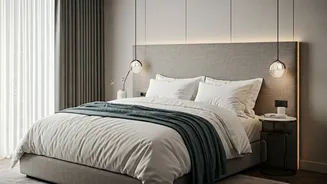
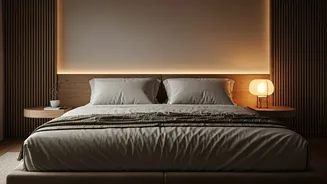
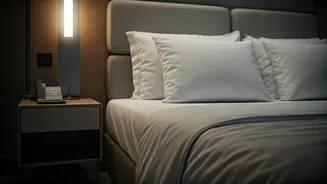
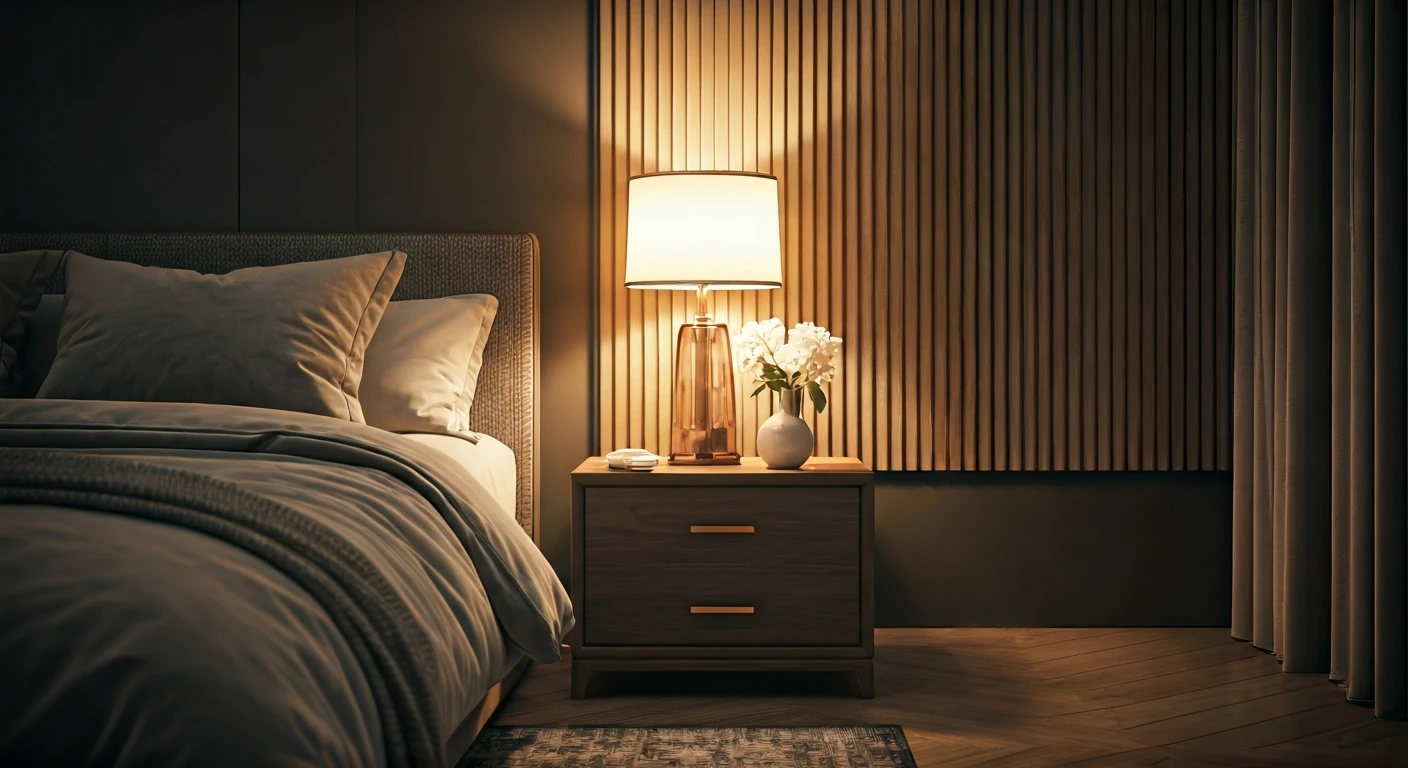
So, what separates a sleep-focused trip from just booking a nice hotel room? The difference lies in the deliberate, science-backed details. High-end hotels and wellness resorts are curating entire ecosystems engineered for optimal slumber. This goes far beyond a mint on the pillow. Guests can expect features like 'pillow menus' offering options for every type of sleeper, from firm memory foam to soft down. Rooms are often equipped with AI-powered mattresses that adjust firmness and temperature throughout the night, advanced soundproofing, and automated blackout curtains. The experience extends to the amenities, with curated 'sleep kits' containing everything from weighted blankets and aromatherapy diffusers to chamomile tea blends and guided meditation apps pre-loaded on an in-room tablet. Some luxury properties even offer on-site sleep 'concierges' or consultations with sleep specialists to diagnose issues and develop personalized rest protocols.
Why This Trend Is Happening Now
The boom in sleep tourism is a direct response to a perfect storm of modern ailments. Decades of 'rise and grind' culture have left millions of Americans chronically sleep-deprived and burned out. The pandemic exacerbated this, blurring the lines between work and home and ratcheting up stress levels. We’re finally waking up to the profound impact of poor sleep on everything from our mental health to our immune systems. At the same time, the wellness industry has successfully reframed sleep from a passive activity into an active pillar of self-care, alongside diet and exercise. People are now willing to invest in their rest in the same way they’d pay for a personal trainer or a nutrition plan. A sleep-focused trip, therefore, isn’t seen as an indulgence; it's viewed as a necessary investment in one’s overall health and long-term performance.
The Psychology of 'Permission to Rest'
Perhaps the most powerful benefit of a sleep vacation isn’t the technology or the amenities, but the psychological permission it grants. At home, the pressure to be productive is constant. The laundry needs folding, emails are pinging, and there’s always one more thing to do. Even on a traditional vacation, there’s a self-imposed pressure to 'make the most of it.' A sleep-focused retreat removes all of that. By design, the only expectation is to rest. This intentional framework helps quiet the guilt and anxiety that often accompany downtime. You’re not being lazy; you’re participating in a curated wellness experience. For many, paying for this structured environment is the only way they can finally give themselves the break they desperately need, free from the distractions and obligations of daily life.