




The End of the ‘Boys’ Club’
For decades, the typical neighborhood gym in India felt less like a modern wellness center and more like an exclusive club. Dominated by men, the focus was almost singularly on bodybuilding. The air was thick with the clanging of heavy iron, and the walls
were plastered with posters of Arnold Schwarzenegger and Ronnie Coleman. This environment, often called a “gym-akhara” in reference to traditional Indian wrestling grounds, was intimidating by design. It catered to a niche group and implicitly excluded women, older adults, beginners, and anyone not interested in packing on sheer muscle mass. For many, the idea of ‘going to the gym’ was synonymous with navigating this hyper-masculine, often judgmental space, a barrier that kept millions away.
A New Wave of Inclusivity
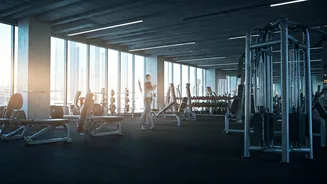
Today, that old model is being bulldozed by a new philosophy of inclusivity. The biggest shift is the active courting of women. Spurred by a growing urban middle class and a heightened sense of health consciousness, fitness brands are creating spaces where women feel safe and empowered. This includes women-only gyms, dedicated ladies-only hours, and female trainers. But inclusivity here goes beyond gender. New gyms are targeting demographics previously ignored by the fitness industry. We’re seeing programs for senior citizens focusing on mobility and strength, trainers getting certified to work with clients with specific health conditions, and a general atmosphere that celebrates consistency over intensity. The goal is no longer to build a champion bodybuilder, but to build a supportive community where anyone feels they can start their fitness journey.
From Bicep Curls to Functional Fitness
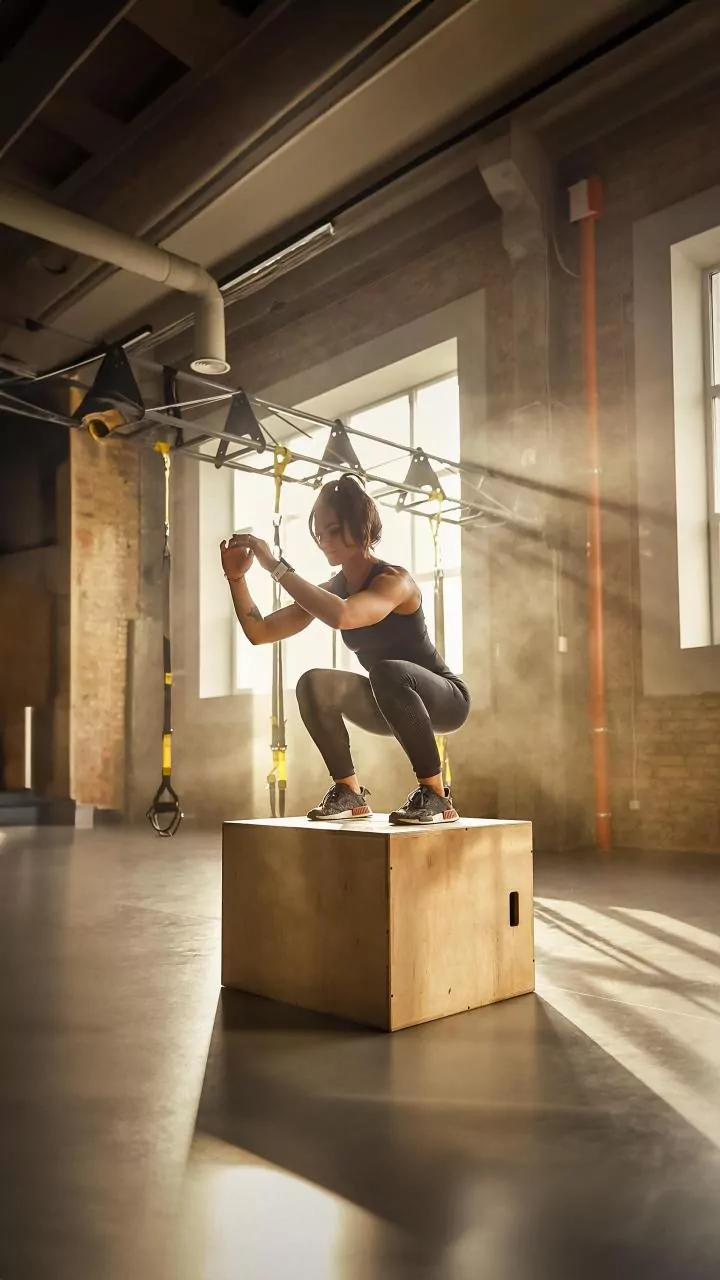
Alongside this social shift is a practical one. The singular focus on aesthetics is giving way to a more holistic, functional approach to fitness. The new Indian gym-goer is less concerned with the size of their biceps and more interested in having the energy to play with their kids, the mobility to sit comfortably at a desk all day, and the stamina to climb a flight of stairs without getting winded. This has fueled a boom in CrossFit boxes, HIIT studios, and yoga-fusion classes. Functional fitness—training the body for the activities performed in daily life—is the new buzzword. Workouts are designed to improve real-world strength, balance, and endurance. This pivot makes fitness feel less like a vanity project and more like a practical investment in one’s long-term health and quality of life.
The Business of Wellness
This transformation isn’t just happening out of goodwill; it's smart business. A confluence of factors is driving the change. India’s booming middle class has more disposable income and is increasingly influenced by global wellness trends seen on social media. The COVID-19 pandemic acted as a massive catalyst, pushing health and immunity to the forefront of the national conversation. Entrepreneurs and investors see a massive, underserved market. Boutique fitness startups are thriving by offering specialized, community-driven experiences that the old one-size-fits-all gyms can’t match. Large chains are also adapting, revamping their facilities and marketing to appeal to this broader, more discerning customer base. They've realized that the future of fitness isn't in a niche market of strongmen, but in the mainstream market of everyday people seeking a healthier life.