



The 21st-Century Kitchen Garden
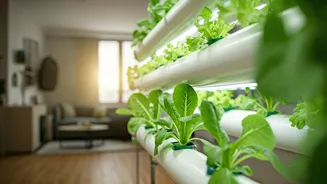
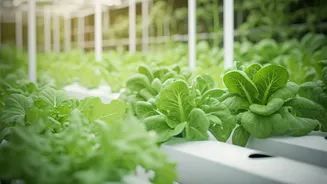
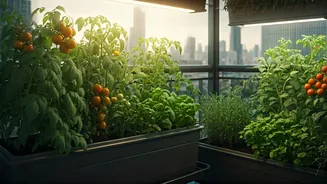
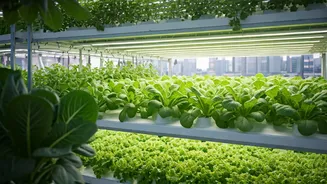
These aren't your grandmother’s window boxes. The systems sprouting up in affluent Indian megacities are typically soil-free, using hydroponic or aeroponic technology. Water mixed with mineral nutrients is circulated to bathe the plant roots, which are often
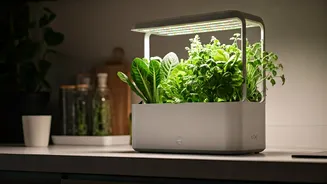
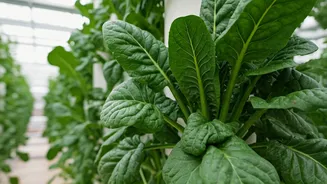
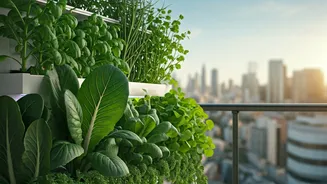
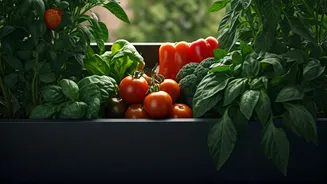
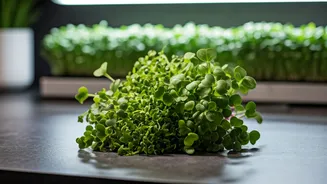
suspended in a vertical stack of pipes or panels. The entire setup is frequently automated and connected to a smartphone app, allowing owners to monitor water levels, nutrient pH, and lighting schedules with a tap of their screen. Companies specializing in urban agri-tech are marketing these all-in-one kits directly to consumers, promising a harvest of everything from Italian basil and romaine lettuce to cherry tomatoes and strawberries, grown just feet from the kitchen where they’ll be eaten. It’s the farm-to-table concept taken to its most literal, hyper-local extreme.
A Quest for Purity and Control
While the technology is slick, the motivation driving this trend is deeply practical. For many affluent urban Indians, concerns over food safety are paramount. Widespread use of pesticides, chemical ripening agents, and contaminants in the traditional food supply chain have created a huge demand for trustworthy produce. The organic market has boomed, but for some, even that label isn't enough. By growing their own food in a controlled environment, these balcony farmers have complete oversight from seed to plate. They know exactly what their family is consuming—no pesticides, no pollutants, no long-haul transportation. In a city like Delhi, which often battles severe air pollution, having a clean, indoor source of fresh greens is more than a luxury; it’s a form of personal environmental control.
The New Status Symbol of Sustainability
Let’s be clear: this isn't a grassroots movement of urban survivalists. The initial setup cost for a sophisticated, automated balcony farm can run from several hundred to a few thousand dollars, placing it firmly in the category of a premium lifestyle product. In neighborhoods like Greater Kailash or Vasant Vihar in South Delhi, where real estate is pricey and residents are well-traveled, the vertical farm has become a new kind of status symbol. It signals not just wealth but also a commitment to wellness, technology, and environmental consciousness. Much like owning a Tesla or wearing sustainable fashion in the West, having a personal hydroponic farm on your balcony tells a story about your values. It’s a tangible, Instagram-friendly display of modern, conscientious living.
A Global Trend with a Delhi Twist
Urban agriculture is, of course, a global phenomenon. Rooftop gardens in Brooklyn and community vegetable patches in Berlin have been around for years. But the Delhi version has a distinct character. While a New Yorker might start a rooftop garden for community-building or to beautify a concrete space, the South Delhi trend is more individualized, technologically driven, and rooted in specific anxieties about the local food system. It mirrors a broader shift in India's urban elite, who are rapidly adopting global wellness and tech trends but adapting them to solve distinctly local problems. This isn’t just about having fresh kale for a morning smoothie; it's about using personal technology and purchasing power to opt out of a public system perceived as flawed.