


Why Fermentation is a Flavor-Packed Health Boost
At its core, fermentation is a natural process where microorganisms like yeast and bacteria break down carbs into alcohol or acids. This not only preserves food but transforms it, creating complex, tangy, and deeply savory flavors. For our bodies, the
benefits are twofold. First, the fermentation process can predigest some of the food, making nutrients more bioavailable and easier for our gut to handle. Second, it creates a rich ecosystem of probiotics—beneficial bacteria that support a healthy digestive system, bolster immunity, and contribute to overall well-being. While the West has recently obsessed over kimchi and kefir, South Asian culinary traditions have quietly utilized these same principles for millennia in everyday meals.
1. Dosa: The Crispy, Sourdough Crepe
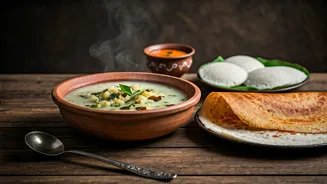
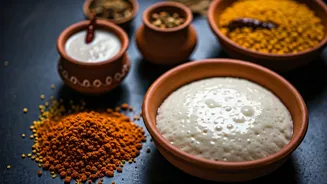
If you’ve only ever had naan at an Indian restaurant, you’re missing out on one of the subcontinent's greatest fermented treasures. A dosa is a thin, crispy, and massive crepe made from a fermented batter of rice and lentils. The batter is left to sit for at least 8 to 12 hours, allowing wild yeasts and bacteria to get to work. This process gives the dosa its signature tangy flavor, reminiscent of sourdough bread. It’s naturally gluten-free and packed with protein. The fermentation makes the lentils and rice easier to digest and unlocks their nutrients. Typically served with sambar (a lentil stew) and coconut chutney, a dosa is a complete, satisfying, and profoundly gut-friendly meal.
2. Idli: The Pillowy, Steamed Probiotic Powerhouse
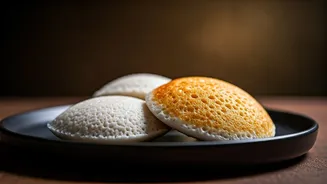
Think of idli as dosa’s softer, fluffier cousin. Made from the exact same fermented rice and lentil batter, idlis are small, savory cakes that are steamed instead of fried. The result is a uniquely light and spongy food that’s incredibly easy on the digestive system. Because they aren’t cooked with oil, they are a low-calorie, high-protein breakfast staple across South India. The steaming process preserves the beneficial bacteria cultivated during fermentation, delivering a direct hit of probiotics to your gut. Their mild flavor makes them a perfect vehicle for flavorful chutneys and stews, and they are often one of the first solid foods given to babies, a testament to their digestibility.
3. Dhokla: The Savory, Spongy Snack
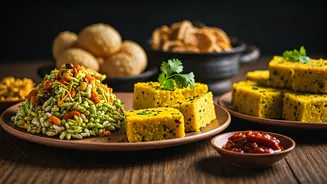
Hailing from the western state of Gujarat, dhokla is a vibrant yellow, spongy cake that proves healthy food doesn't have to be boring. It's made from a fermented batter of chickpea flour (besan) and sometimes rice. After fermenting, the batter is steamed, creating a texture that’s airy, moist, and delightfully chewy. It's then typically topped with a tempering of mustard seeds, curry leaves, and green chiles. Like idli and dosa, the fermentation breaks down complex carbohydrates, making the nutrients in the chickpeas more accessible while providing a healthy dose of probiotics. It’s a perfect savory snack or light lunch that satisfies without weighing you down.
4. Kanji: The Original Probiotic Tonic
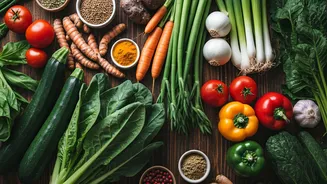
Long before kombucha became a billion-dollar industry, North India had Kanji. This tangy, pungent, and deeply purple fermented beverage is traditionally made during the spring using black carrots, though beets are a common substitute. The vegetables are submerged in water with salt and spices like mustard seeds and left to ferment in the sun for several days. The process creates a sour, salty, and savory drink teeming with live probiotics. It’s known as a digestive aid and a body coolant, often enjoyed before a meal to kickstart the appetite. While it might be an acquired taste for some, it’s a powerful, all-natural tonic that showcases the incredible diversity of Desi fermentation.