





From Aesthetics to Ability
For decades, the primary message of mainstream fitness, particularly for women, was to get smaller. Cardio machines were marketed as calorie-burners, and success was measured in pounds lost. The new momentum behind strength training signals a powerful
rejection of that narrative. Today, the goal isn't just about looking a certain way; it's about feeling and being capable. It’s the difference between exercising to burn off dinner and training to be able to carry all your groceries in one trip, lift your toddler without tweaking your back, or simply move through life with more confidence and less pain. This pivot toward functional strength—strength that serves you in your daily life—is reframing fitness as a tool for empowerment, not just a tool for weight management.
The Rise of 'Strong, Not Skinny'
This movement isn't happening in a vacuum. It’s being amplified and accelerated by a broader cultural conversation around body positivity and female empowerment. Social media feeds that were once dominated by waif-thin ideals now feature women proudly lifting heavy weights. The hashtag #strongnotskinny became a rallying cry against the pressure to shrink, celebrating physical power and resilience instead. Trainers and influencers are shifting their messaging, focusing on performance goals—like hitting a new personal record on a deadlift—rather than aesthetic ones. This has been particularly transformative for women, who were historically and often incorrectly warned that lifting weights would make them “bulky.” Instead, they’re discovering that building strength builds confidence that radiates into all areas of life.
More Than Just Muscles
While building lean muscle is a key outcome, the benefits of strength training go far deeper, which is a major reason for its surging popularity. Research consistently shows that resistance training is one of the most effective ways to build and maintain bone density, a critical factor in preventing osteoporosis, especially as we age. It also plays a huge role in metabolic health by improving insulin sensitivity and increasing your resting metabolic rate, meaning you burn more calories even when you’re not working out. And the impact isn't just physical. The mental health benefits are profound; the focus required for a heavy lift can be a form of mindfulness, and the measurable progress provides a powerful and tangible sense of accomplishment that can boost self-esteem and fight symptoms of anxiety and depression.
How to Get Started
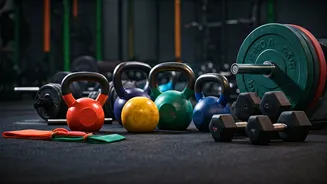
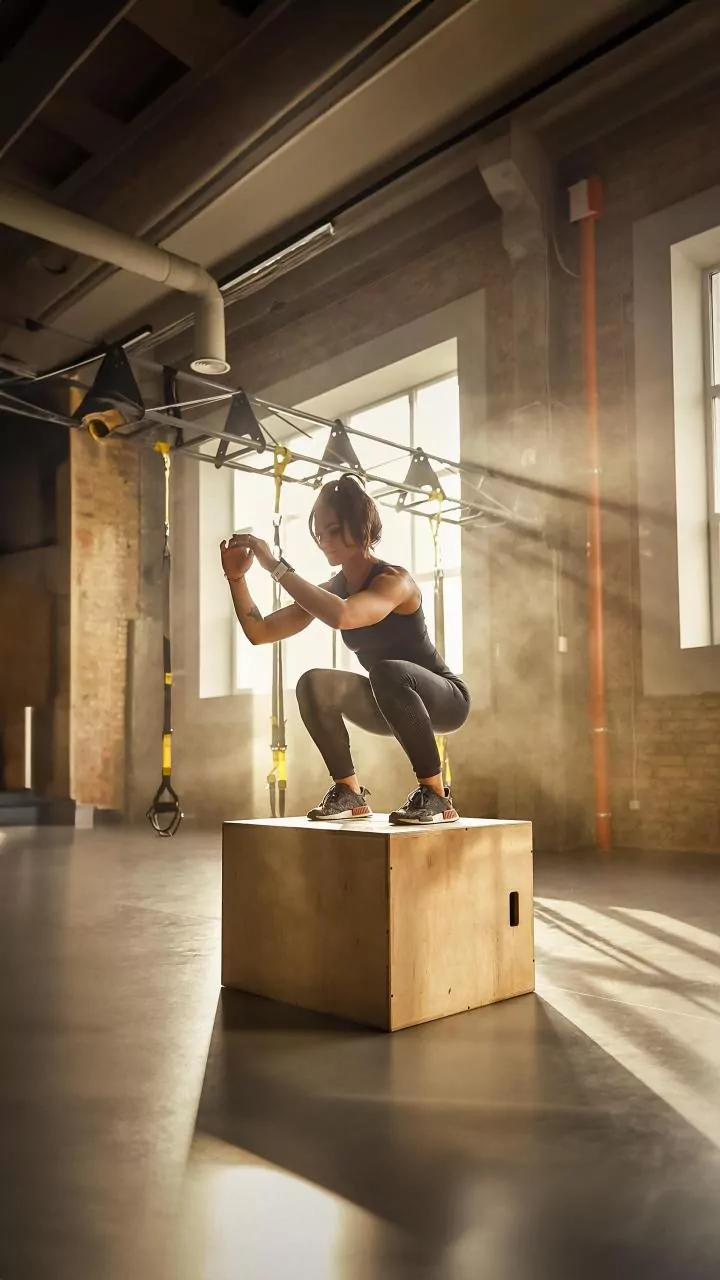
For many, the biggest barrier to strength training is intimidation. A gym’s free-weight section can feel like a private club with unwritten rules. But the entry points are more accessible than ever. You don't need to start with a barbell. Bodyweight exercises like squats, push-ups, and lunges are a fantastic foundation. From there, simple tools like resistance bands or a single kettlebell can provide a full-body workout at home. For those who thrive on community and guidance, group fitness classes focused on strength (think CrossFit, F45, or specialized studio classes) have exploded in popularity. The most effective route for many beginners is hiring a certified personal trainer for a few sessions. They can teach you proper form, design a program tailored to your goals, and demystify the gym, giving you the confidence to continue on your own.