



The Transformer: Convertible Furniture
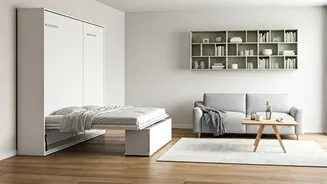
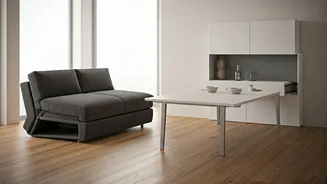
Imagine a coffee table that, with a simple lift, transforms into a dining table for four. Or a sleek wall unit that hides a guest bed, ready to be deployed in minutes. This is the magic of convertible furniture. These pieces are the ultimate double agents,
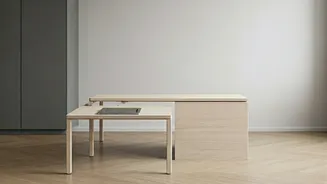
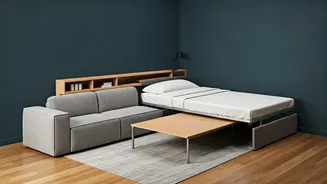
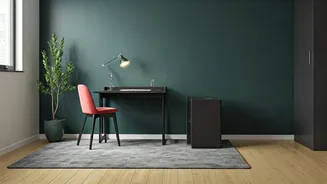
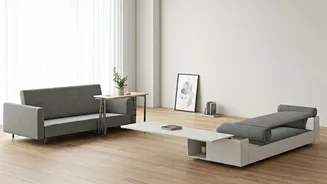
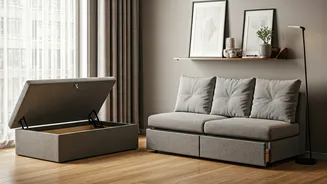
serving one purpose by day and another by night. In a studio apartment, a sofa that seamlessly converts into a comfortable bed is a non-negotiable. For those who work from home, desks that fold away into slim consoles reclaim precious living space at the end of the day. The core principle is dual-functionality, ensuring that every large item in your home earns its keep by serving at least two essential roles.
The Space-Maker: Murphy Beds Reimagined
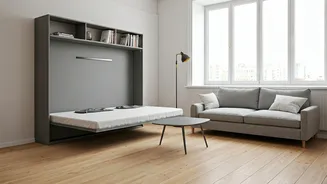
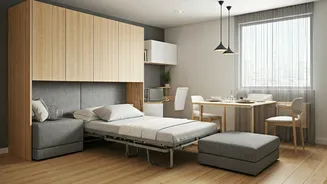
The classic Murphy bed has undergone a major glow-up. Gone are the days of clunky, purely functional contraptions. Today’s wall beds are sophisticated systems designed to integrate flawlessly into modern interiors. Many now come with built-in sofas, desks, or shelving that remain accessible even when the bed is folded up. This isn't just about hiding a bed; it's about reclaiming an entire room's worth of floor space. For anyone living in a studio or a one-bedroom apartment, a Murphy bed can be the single most impactful piece for creating a boundary between a restful sleeping area and a functional daytime living space.
The Vertical Advantage: Wall-Mounted Solutions
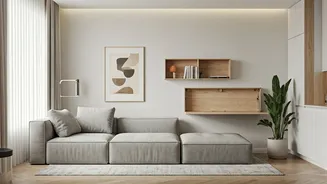
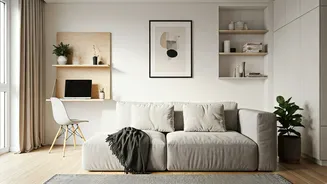
When you can't build out, build up. Vertical space is one of the most underutilized assets in any small apartment. Wall-mounted shelves, floating desks, and modular storage systems draw the eye upward, creating an illusion of height and spaciousness while keeping your floors clear. A floating media console can make a living room feel significantly larger than one with a bulky TV stand. In a narrow hallway, a wall-mounted entryway shelf with hooks provides a landing spot for keys and coats without obstructing the path. This approach isn't just practical; it's a design strategy that adds architectural interest and a clean, minimalist aesthetic.
The Secret Weapon: Hidden Storage
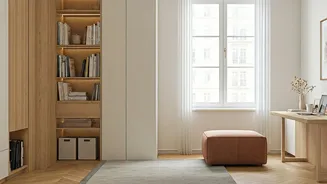
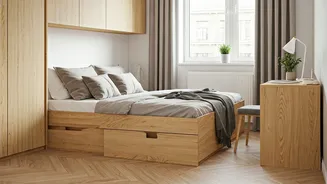
Clutter is the enemy of small-space serenity. The solution is furniture with built-in, hidden storage. A stylish ottoman that opens up to reveal space for blankets and board games is a living room essential. An entryway bench with cubbies underneath for shoes keeps the doorway tidy. Platform beds with integrated drawers underneath can eliminate the need for a separate dresser entirely. These pieces allow you to maintain a minimalist look without actually being a minimalist. They provide a designated home for all the necessities of daily life, from extra linens to workout gear, keeping them out of sight but always within reach.
The Illusionist: Nesting and Expanding Pieces
Nesting tables are the perfect example of this category: two or three tables that occupy the footprint of just one. You can pull them out when guests arrive and tuck them away when you need more room. The same principle applies to expanding dining tables. A slim console table can sit unobtrusively against a wall, but with the addition of a few leaves, it can expand to seat eight for a dinner party. This kind of flexible design acknowledges that your needs aren't static. It provides the furniture you need for a crowd, but only when you actually need it, allowing you to maximize your open space the rest of the time.