



Win the War on Weeds Before It Begins
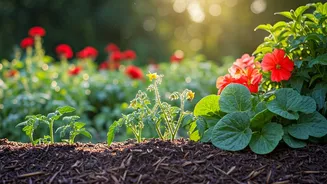
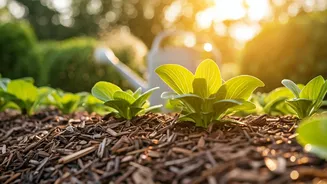
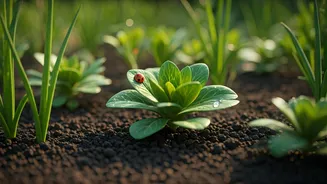
May’s showers don’t just bring flowers; they bring an army of weed seedlings. In June, as the sun beats down, those tiny sprouts are preparing to take over. This is your moment to stop them. The single most effective prevention strategy is mulch. Applying
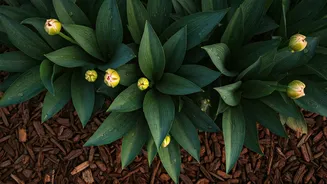
a two-to-three-inch layer of straw, shredded leaves, or wood chips now will smother emerging weeds, conserve precious soil moisture, and regulate soil temperature. For any weeds that have already broken through, the goal is to remove them before they go to seed. A morning stroll with a hoe or hand-weeder is far less work than a mid-July jungle reclamation project. Focus on the roots; pulling the top off a dandelion or thistle is just a temporary victory. By denying weeds sunlight and a chance to reproduce, you’re not just cleaning up the garden for this week—you’re reducing your workload for the rest of the season.
Establish a Pest Patrol, Not a Reaction Force
By the time you see a beloved plant covered in aphids or find your rose leaves skeletonized, you’re already behind. June is when many of the summer’s most notorious villains make their debut. Japanese beetles emerge from the soil, squash vine borer moths start laying eggs at the base of zucchini plants, and cabbage worms begin chewing through your brassicas. Prevention means being a scout, not an exterminator. Take a daily walk through your garden and look closely. Check the undersides of leaves for eggs. Notice the first signs of chewing. Early intervention is exponentially more effective. Consider preventative measures like floating row covers over susceptible crops (cucumbers, squash, broccoli) to physically block pests. For squash vine borers, wrapping the base of the stem with a small strip of aluminum foil can stop the moth from laying its eggs. Encouraging beneficial insects by planting dill, fennel, and yarrow will also recruit a natural security force to handle minor outbreaks for you.
Stop Disease in Its Tracks
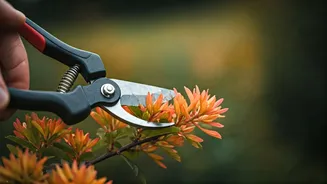
Warm, humid June nights are a petri dish for fungal diseases like powdery mildew on squash and black spot on roses. The key to disease prevention lies in two simple concepts: air and water. First, ensure your plants have good air circulation. If your tomato or zucchini plants are becoming dense, leafy jungles, it’s time to prune. Selectively removing some lower leaves or non-fruiting branches allows air to flow through, drying foliage faster after rain or morning dew. Second, change how you water. Sprinklers that spray water all over the plant's leaves create the damp conditions fungi love. Instead, use a soaker hose or a watering wand to apply water directly to the soil at the base of the plant. Watering in the morning gives any splashed foliage plenty of time to dry before nightfall. A clean garden is also a healthy one; remove any diseased leaves you find immediately and dispose of them in the trash, not the compost pile.
Prevent Stress with Smart Support
A stressed plant is a weak plant, and a weak plant is a magnet for pests and diseases. The primary stressors in early summer are inconsistent water and nutrient deficiencies. The deep, infrequent watering you established in spring becomes even more critical now. It encourages plants to develop deep root systems that can withstand the heat and minor dry spells to come. Check the soil a few inches down; if it’s dry, it’s time to water thoroughly. Furthermore, your plants have been growing vigorously and are likely depleting the nutrients in the soil. June is the perfect time for a mid-season feeding. A side-dressing of compost or a dose of a balanced organic fertilizer will give plants the energy they need to keep producing, fight off potential problems, and handle the stresses of high summer. Think of it as ensuring your garden has the resources to take care of itself.