



Beyond Butter Chicken and Chaat
For decades, Delhi's identity as a food capital was forged in the fires of the tandoor and the bubbling pots of Mughlai kitchens. Butter chicken, chole bhature, and spicy street-side chaat are more than just dishes; they are pillars of the city's cultural
heritage. But while these classics remain beloved, a parallel food universe is rapidly expanding, particularly in trend-conscious neighborhoods like Greater Kailash, Vasant Vihar, and the ever-bohemian Hauz Khas Village. Walk into one of the city's buzzy new cafes, and the menu might feel more like something from a wellness retreat in Bali or a brunch spot in Southern California. You’ll find avocado toast sprinkled with chili flakes, quinoa salads packed with roasted vegetables, and smoothie bowls artfully topped with chia seeds and sliced mango. This isn't a rejection of tradition, but a confident evolution—a sign of a global city with an increasingly global palate.
An Escape to the Tropics
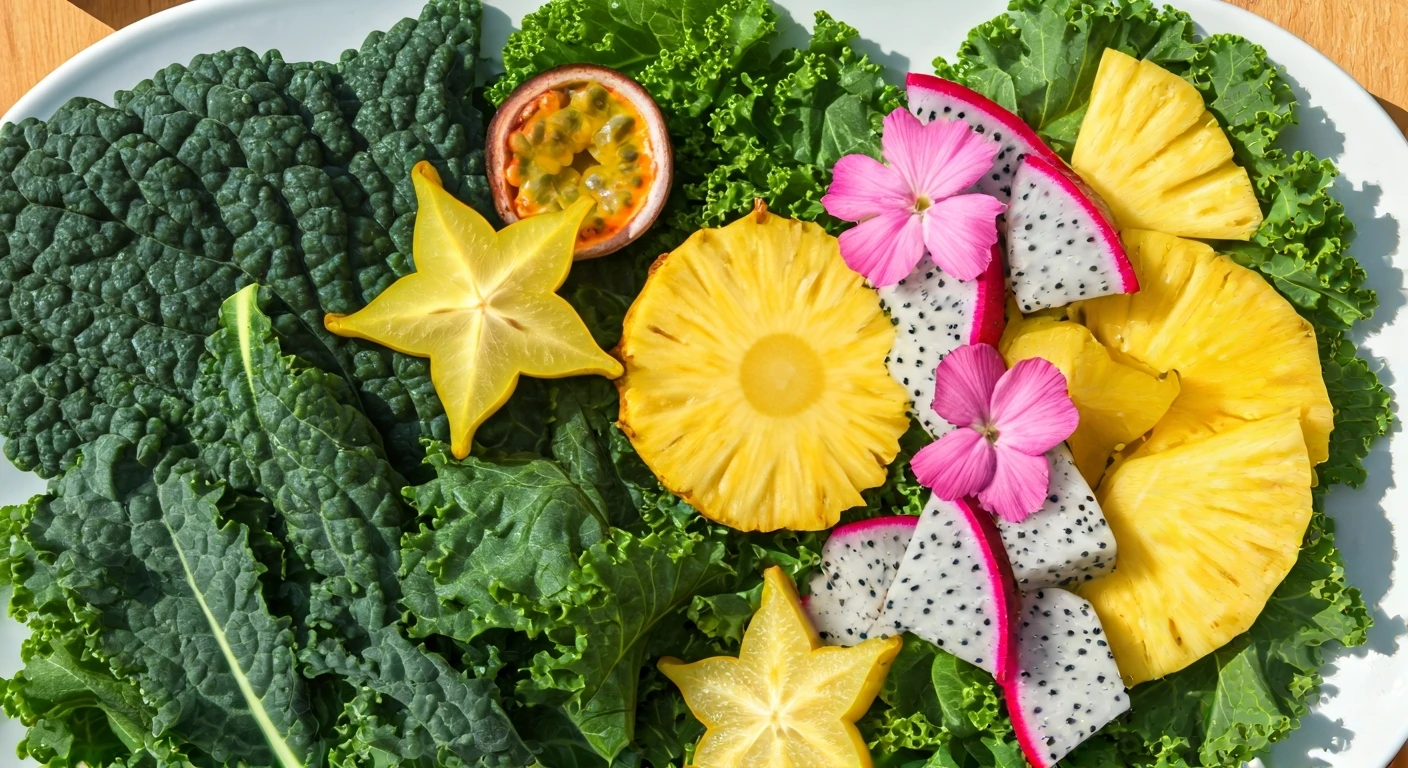
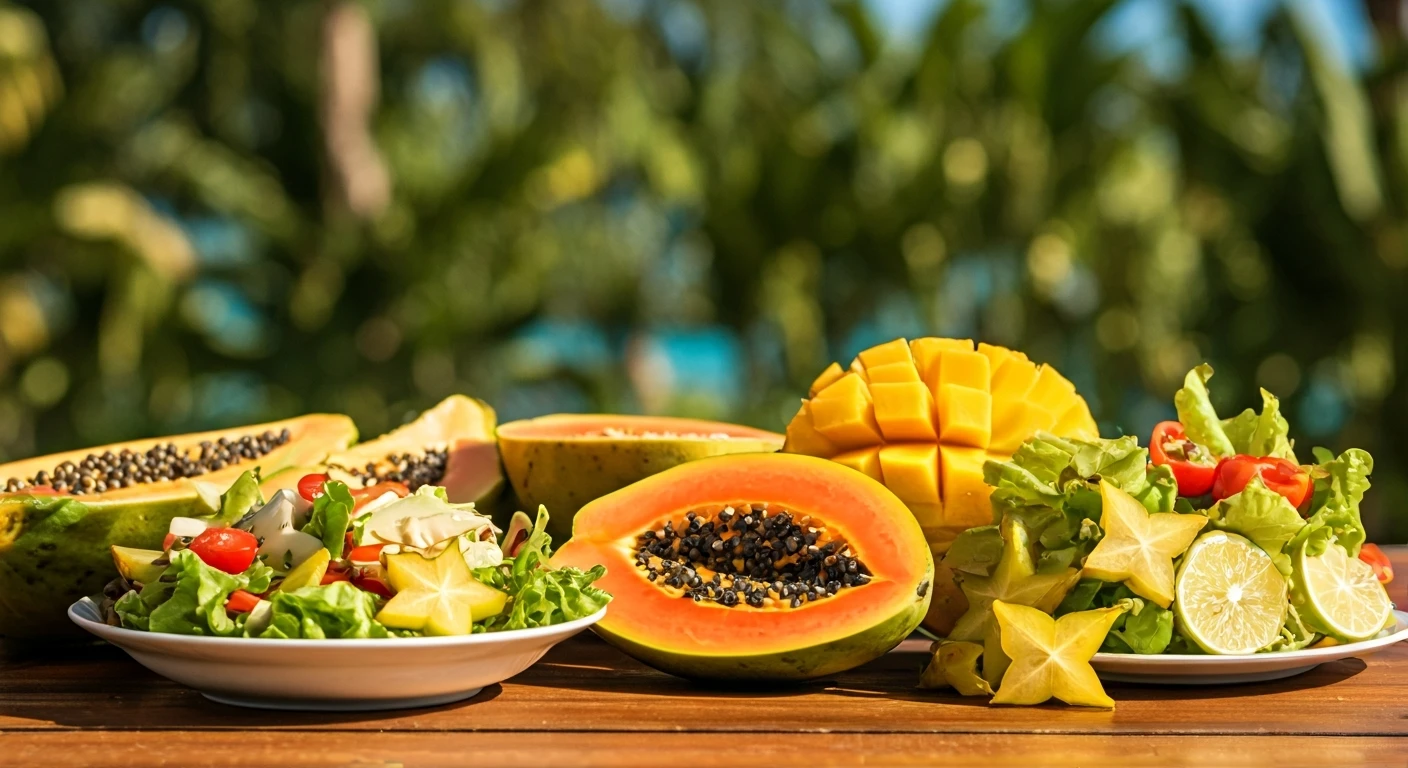
The "tropical" in this new mood is as much about aesthetics as it is about ingredients. Many of these new spaces are designed to be oases of calm in the midst of Delhi's exhilarating chaos. Think airy, light-filled interiors, an abundance of potted monsteras and fiddle-leaf figs, rattan furniture, and whitewashed walls. Restaurants like Greenr, often cited as a pioneer of this movement, cultivate a greenhouse-like vibe that makes you feel miles away from the city's traffic. The experience is intentionally transportive. It’s a mini-vacation on a plate and in a room. The food follows suit, prioritizing fresh, bright flavors. Coconut, pineapple, and raw mango find their way into everything from curries to coolers, offering a lighter, zestier alternative to the traditionally heavier flavors of North Indian cuisine. It’s a deliberate shift in sensory experience, designed to feel both healthy and indulgent.
The New Age of Vegetarian
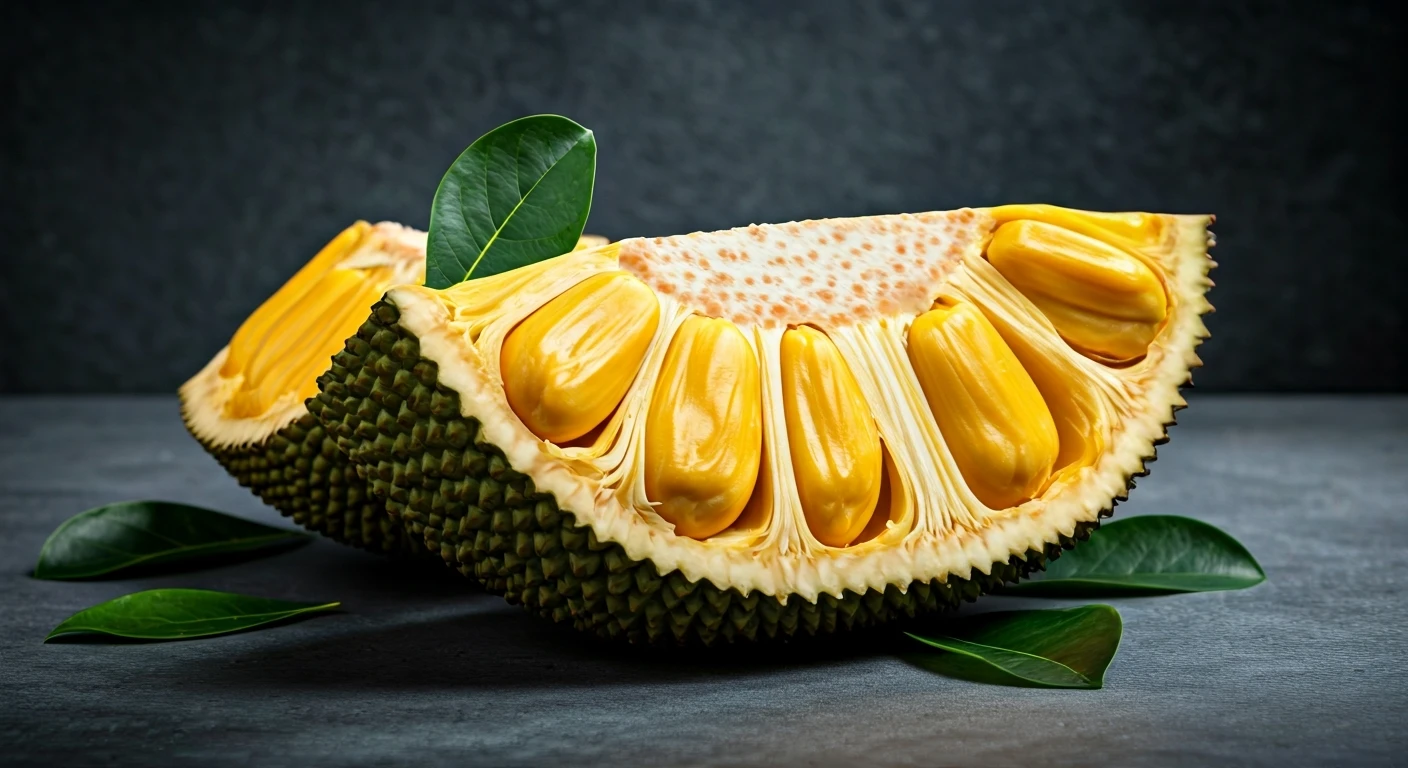
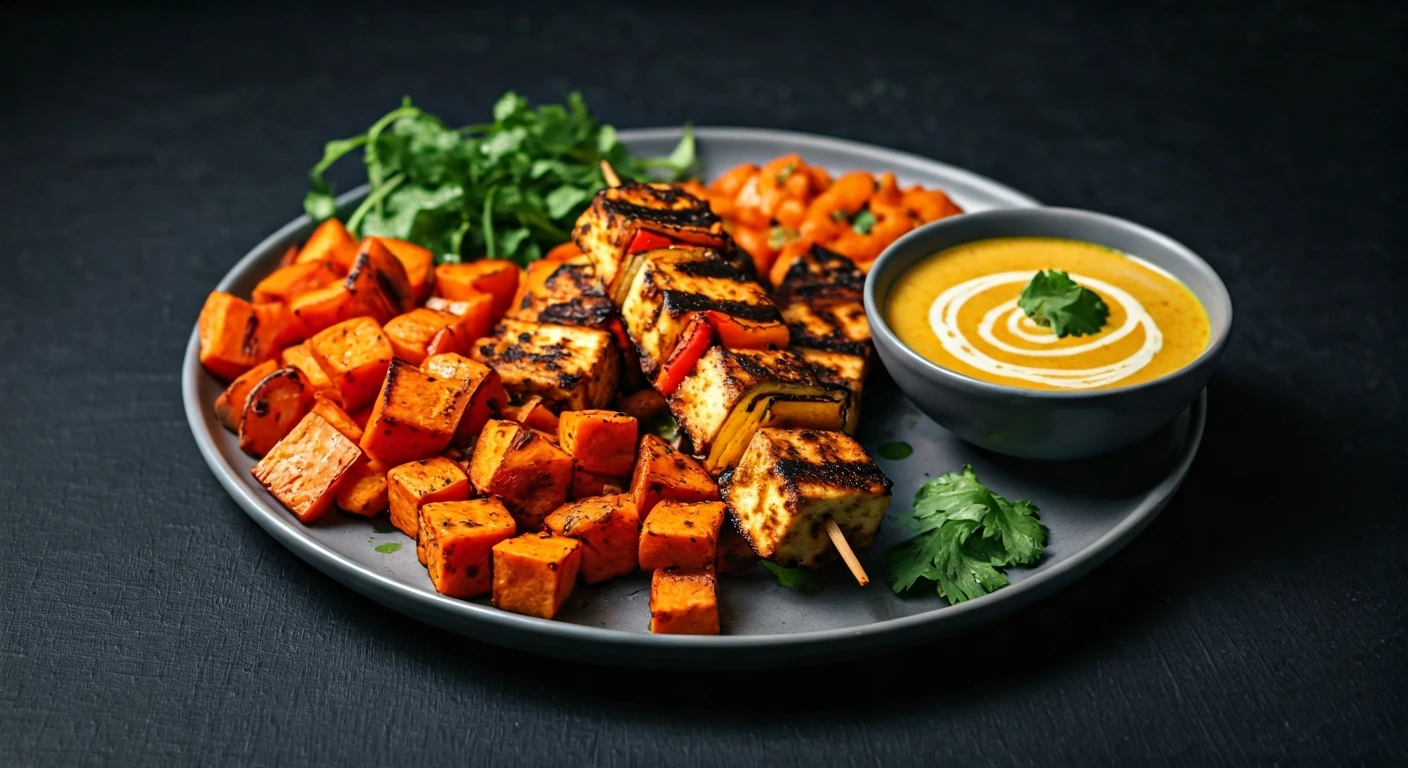
India has the largest population of vegetarians in the world, but this new trend represents a modern chapter in the country's plant-based story. It's less about religious doctrine and more about a globally-influenced wellness philosophy. The menus are proudly and creatively vegetarian, and often vegan-friendly, without feeling restrictive. Instead of paneer being the default meat substitute, chefs are experimenting with a new arsenal of ingredients. Jackfruit is braised and shredded for plant-based tacos and burgers. Millets and amaranth replace refined grains. Tofu is marinated and grilled in styles borrowed from across Asia. This isn't your grandmother's vegetarian cooking; it’s a dynamic, innovative, and decidedly upscale approach that positions plant-based eating as a sophisticated choice, not a limitation. It speaks to a new generation of Indians who are health-conscious, environmentally aware, and tuned into global dietary trends.
What's Driving the Green Wave?
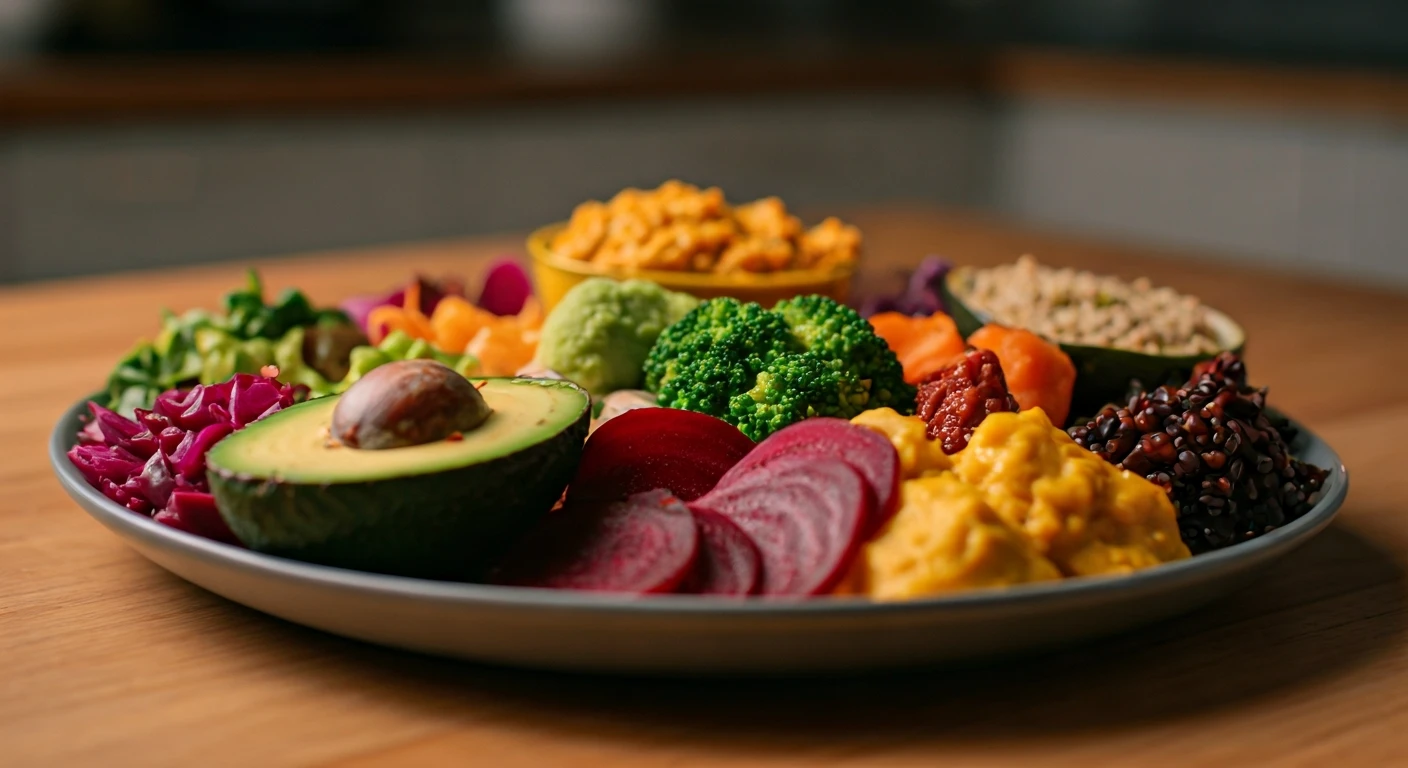
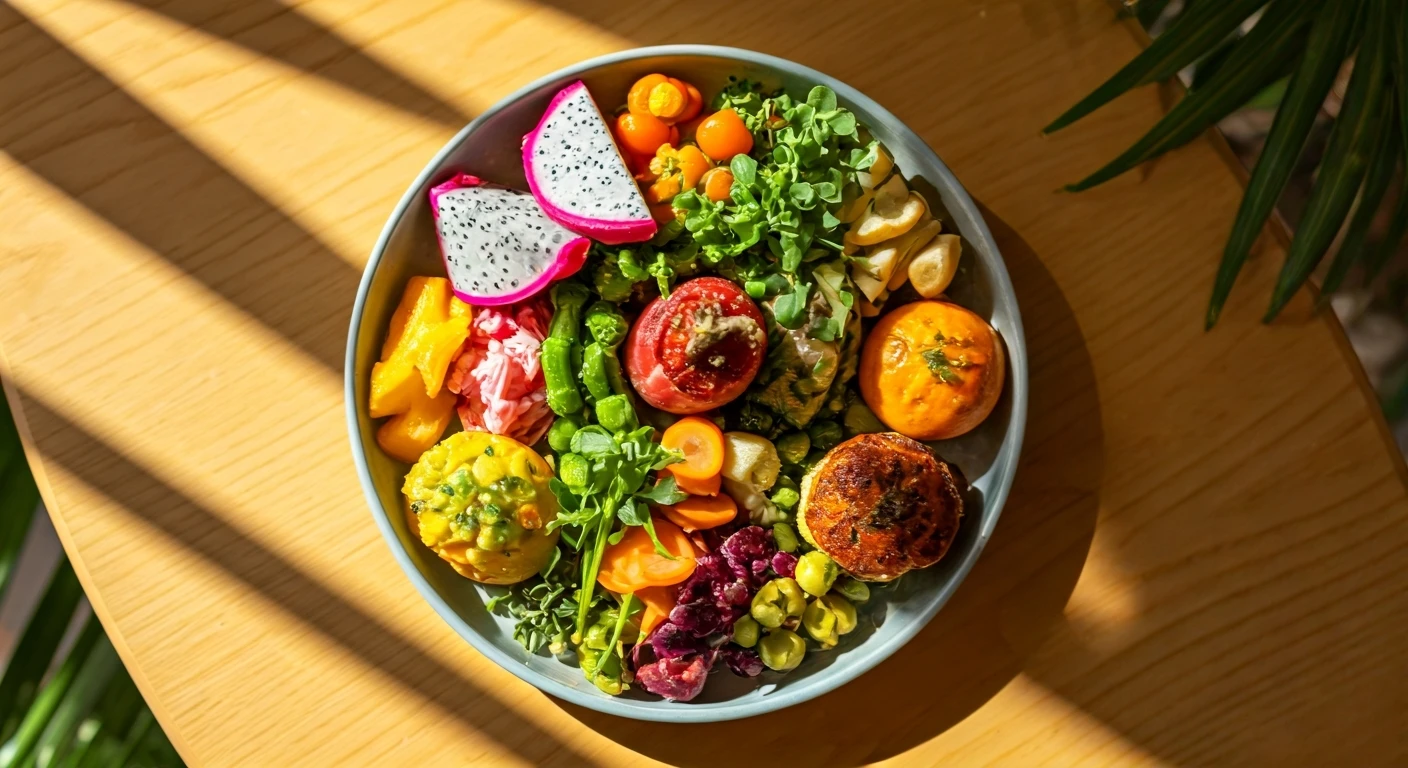
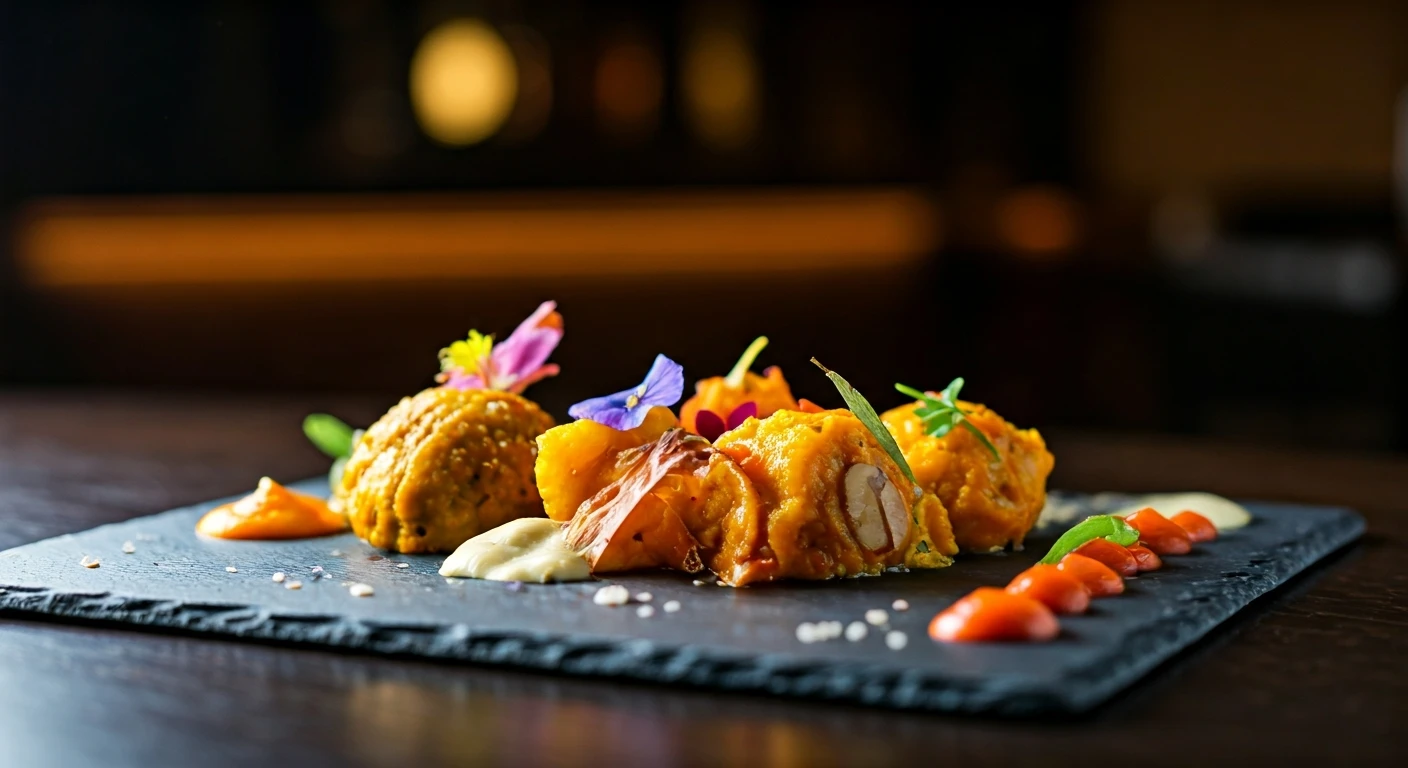
This culinary shift isn't happening in a vacuum. It’s a reflection of a younger, more affluent, and globally-connected Delhi. A generation that has traveled widely (or extensively online) is demanding the same kind of dining experiences they see in other world capitals. The rise of wellness culture has made 'clean eating' a status symbol, and these cafes are the clubhouses of the movement. And then there's the undeniable power of social media. The visual appeal of these spaces and dishes is a major part of their success. A vibrant pink beetroot hummus platter or a perfectly swirled acai bowl isn't just lunch; it's content. Restaurants are designing their food and their interiors with Instagram in mind, creating a virtuous cycle where beautiful food drives online buzz, which in turn drives foot traffic. It’s a savvy fusion of flavor and photogenics that perfectly captures the spirit of the moment.