




An Unfiltered Cultural Snapshot
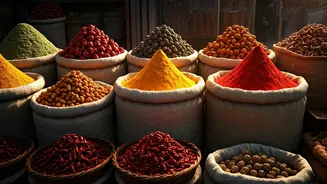
A city’s monuments tell you its official history, but its markets tell you its living story. This is where the polished veneer of tourism peels away. At a local market, you’re not a spectator; you’re a participant in the daily rhythm of a place. You see
what people eat, what they make, what they value. You hear the cadence of local dialects, witness neighborhood friendships, and observe the unscripted interactions that define a community. Unlike a curated museum exhibit, a market is a dynamic, unfiltered snapshot of the here and now. It’s the city’s pantry, its public square, and its economic engine all rolled into one chaotic, beautiful package. This shift toward experiential travel isn’t about shunning famous sites, but about supplementing them with something more grounded and real.
The Ultimate Food Tour
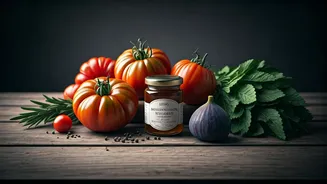
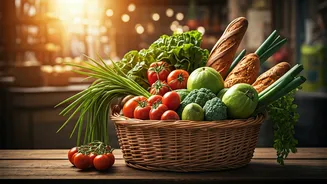
Nowhere is a region’s identity more deliciously expressed than in its food. A farmers market is the ultimate farm-to-table classroom. Instead of just ordering a dish at a restaurant, you can talk to the person who grew the heirloom tomatoes, baked the sourdough bread, or aged the cheese. You can discover hyper-local specialties that never make it to a national grocery store—perhaps wild-ramped butter in Appalachia, fresh-picked marionberries in Oregon, or scuppernong grapes in the South. This is your chance to ask questions: “What’s the best way to cook this?” or “What’s in season right now?” The answers you get are more than just recipes; they’re morsels of local wisdom. Sampling a freshly fried empanada or a piece of just-picked fruit connects you to the land and its people in a way no fine-dining experience can replicate.
Beyond the Produce Aisle
The magic of markets extends far beyond food. Flea markets and antique stalls are treasure troves of a city’s past, offering everything from vintage postcards and old vinyl records to forgotten furniture and local memorabilia. Each object has a story, providing a tangible link to the generations that came before. Similarly, craft markets are a window into a region’s artistic soul. Here, you can find handmade jewelry, pottery, textiles, and art that reflect local aesthetics and traditions. Buying directly from an artisan isn’t just a transaction; it’s an investment in the local creative economy. You get a unique souvenir, and the creator gets to sustain their craft. These markets showcase the ingenuity and style of a place, revealing a side of the culture that souvenir shops can only imitate.
How to Explore Like a Local
To get the most out of your market adventure, a little strategy helps. First, go early. The best products and the most authentic morning buzz happen just as vendors are setting up. Second, walk the entire market once before buying anything to get a lay of the land. This helps you spot the best-looking produce or the most interesting stalls. Third, bring cash, as many smaller vendors don’t accept cards. Most importantly, be curious. Smile and make eye contact. Ask a vendor what their favorite item is. Compliment a craftsman on their work. Even a small, friendly interaction can transform your visit from a shopping trip into a genuine human connection. The goal isn’t to find the cheapest deal, but to absorb the atmosphere and discover something new.