




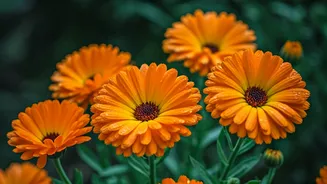


The Original Garden Multitasker
Let’s be honest: a garden that looks good is a goal, but a garden that’s smart, self-sufficient, and thriving is the ultimate flex. Planting marigolds achieves just that. These cheerful, sun-loving annuals aren’t just filler flowers; they are functional
powerhouses. For generations, savvy gardeners have used them as companion plants, tucking them in among vegetables and other ornamentals. This isn’t just garden folklore. Choosing marigolds is a strategic move that signals you’re playing a different game—one focused on creating a balanced, resilient ecosystem rather than just fighting symptoms with sprays. It’s a low-cost, organic, and frankly, more beautiful way to approach pest management.
The Science Behind the Scent
So, how does this work? Marigolds’ pest-repelling ability isn’t magic; it’s chemistry. The plant’s roots, leaves, and flowers produce a number of potent compounds. The most famous weapon in their arsenal is their effect on root-knot nematodes, microscopic worms that can wreak havoc on the root systems of plants like tomatoes, peppers, and squash. Certain types of marigolds release biochemicals called thiophenes into the soil, which are toxic to these nematodes. Planting a dense crop of marigolds in a bed and then tilling them into the soil at the end of the season can act as a natural “biofumigant,” significantly reducing nematode populations for the next season's crop. Above ground, the marigold’s distinct, pungent scent—which some people love and others tolerate—is often credited with warding off a variety of insects. While the evidence is more anecdotal for flying pests, many gardeners swear by marigolds to deter whiteflies, tomato hornworms, and even rabbits who find the smell unappealing.
Choose Your Champion Wisely
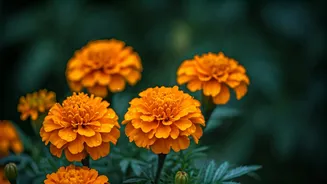
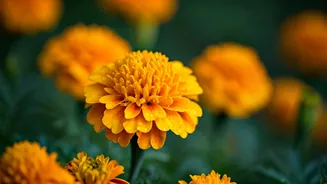
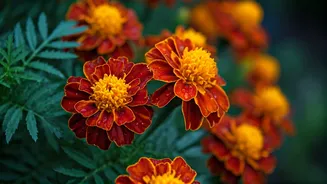
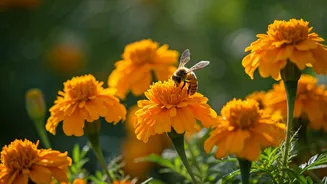
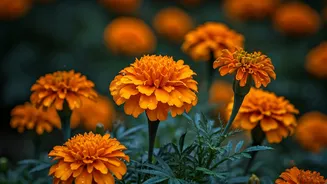
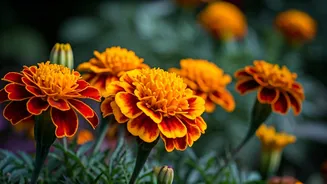
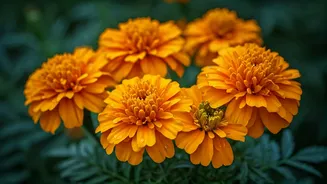
Before you grab any six-pack of marigolds from the garden center, know this: not all marigolds are created equal in the pest-control department. The most effective varieties for combating root-knot nematodes are specific cultivars of French marigolds (Tagetes patula), such as 'Nemagold,' 'Queen Sophia,' or 'Tangerine.' These tend to be the shorter, bushier types with more demure flowers. While the larger, showier African marigolds (Tagetes erecta) also have some pest-repelling properties and a strong scent, French marigolds are the scientifically recognized nematode-slayers. For general-purpose companion planting, any strongly scented marigold can contribute to the cause, but for targeted soil cleansing, the French varieties are your best bet.
A Few Common-Sense Caveats
Marigolds are brilliant, but they aren't a silver bullet. It's important to have realistic expectations. They won't create an impenetrable force field around your prize-winning tomatoes. In fact, while they repel many pests, they can unfortunately attract others. Spider mites, in particular, can sometimes become a problem on marigolds, especially in hot, dry conditions. Similarly, slugs and snails are occasionally drawn to the tender seedlings. The key is to see marigolds as one component of a broader, integrated pest management strategy that includes healthy soil, proper watering, and encouraging beneficial insects. They are a valuable team player, not a solo superhero.
How to Deploy Your Secret Weapon
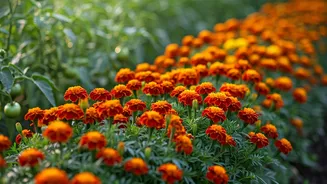
Ready to put your marigolds to work? For companion planting, simply intersperse them throughout your vegetable and flower beds. Plant them around the base of tomato and pepper plants, or create a vibrant, protective border around the entire garden. They thrive in full sun and well-drained soil, making them easy partners for most common garden plants. For the intensive nematode-treatment, plant a dense block of French marigolds in an affected bed, let them grow all season, and then chop them up and till them back into the earth in the fall. The next spring, the soil will be cleaner and healthier, ready for a vulnerable crop.