



A Town's Resilient Recovery
It’s impossible to talk about Manali in 2024 without acknowledging the summer of 2023. Unprecedented monsoon rains triggered devastating floods and landslides across Himachal Pradesh, the mountainous northern Indian state where Manali is nestled. Roads
were washed away, and the tourism industry, the region’s lifeblood, came to a standstill. The news footage was alarming. However, the story that unfolded in the months since is one of remarkable grit. Local communities and authorities worked tirelessly to clear debris, repair critical infrastructure, and restore normalcy. The main artery connecting Manali to the rest of the country, National Highway 3, was prioritized and reopened relatively quickly. While some remote areas faced longer-term damage, the core tourist zones of Manali town, Solang Valley, and nearby attractions were back in business by the fall, ready to welcome visitors for the autumn and winter seasons.
Trekking and Hiking: The Trails Await
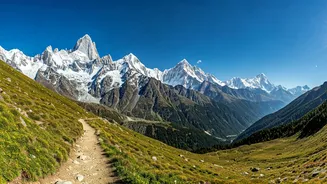
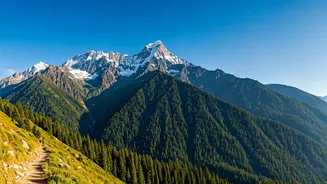
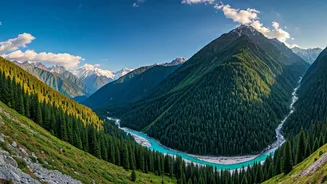
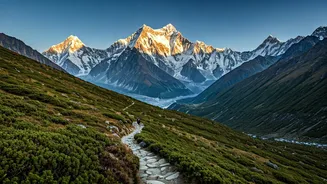
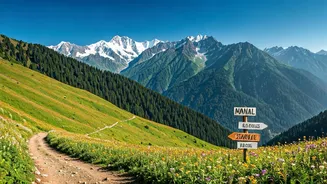
For many, Manali is synonymous with trekking. The good news is that most of the popular day hikes and shorter treks are fully accessible. Trails like the Lama Dug trek, the hike to Jogini Waterfalls, and walks through the apple orchards surrounding Old Manali are as beautiful as ever. The iconic Solang Valley, a hub for countless activities, is completely operational. For more ambitious, multi-day treks like the Hampta Pass or Bhrigu Lake, the situation is more nuanced. While these routes are technically open, conditions can change. The most crucial advice for 2024 is to go with a reputable, certified local guide. They have the most current, on-the-ground knowledge of trail conditions, river crossings, and any potential hazards left over from the monsoon. Booking locally not only ensures your safety but also directly supports the guides and agencies who were hit hardest by the temporary shutdown.
Paragliding and Rafting: High-Flying Thrills Are Back
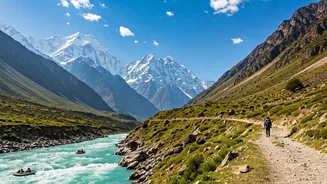
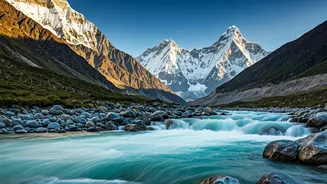
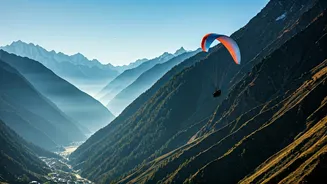
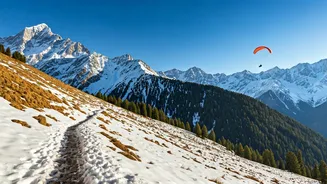
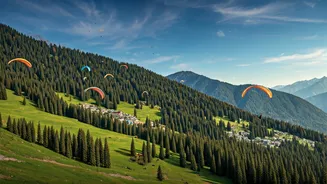
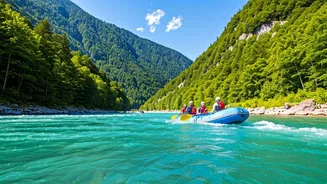
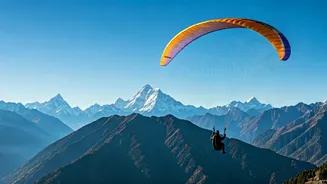
The sight of colorful parachutes dotting the sky above Solang Valley is a signature Manali experience—and it’s back. Paragliding operations have been in full swing, offering tandem flights that give you a bird's-eye view of the stunning Pir Panjal mountain range. Operators are subject to strict safety regulations, so you can feel confident taking the leap. Similarly, white-water rafting on the Beas River is another adrenaline rush that has resumed. The rafting season typically runs from spring through early summer, pauses for the peak monsoon, and often reopens in the fall. The stretches of the river used for commercial rafting have been assessed and cleared, allowing you to navigate the exciting rapids once again. As with trekking, choosing a licensed and well-reviewed operator is the best way to ensure a safe and memorable adventure.
More Than Just Mountains: The Vibe Is Alive
Manali’s appeal isn't just about extreme sports; it's also about the vibe. The cozy cafes of Old Manali, the spiritual calm of the Hadimba Devi Temple, and the bustling Mall Road are all vibrant and welcoming. The experience of sitting by the river, sipping hot chai, and watching the world go by remains unchanged. In winter, the slopes of Solang Valley and nearby areas transform into a playground for skiing and snowboarding, drawing crowds for the snow season which typically peaks from January to March. Fun, family-friendly activities like zorbing (rolling downhill in a giant inflatable ball) and zip-lining are also fully operational. The entire ecosystem of hotels, guesthouses, and restaurants that support this tourism hub has proven incredibly resilient, eager to provide the warm hospitality the region is known for.
How to Travel Smart in the New Normal
While the spirit of adventure is very much alive, traveling to a mountain region post-floods requires a bit of extra planning. First, always check current road conditions before you travel, especially if you're driving. While major highways are clear, weather can still be a factor. Second, travel insurance is more important than ever. Ensure your policy covers trip interruptions or cancellations. Finally, and most importantly, be a responsible tourist. Your visit provides vital income to a community recovering from a natural disaster. Hire local guides, eat at local restaurants, buy souvenirs from small shops, and be patient. You're not just a tourist; you're part of the recovery.