





More Than Just Temperature
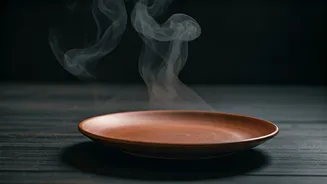
The simple act of warming the plate or bowl you’re about to eat from is a form of sensory care that often gets overlooked. In a world saturated with wellness jargon—from adaptogens to bio-hacking—the quiet power of a warm ceramic dish feels refreshingly
straightforward. This isn't about optimizing your nutrition or following a rigid protocol. It's about responding to a basic, almost primal, human need for warmth and comfort. When it's cold and damp outside, our bodies instinctively seek coziness. A warm plate extends the heat of your food, ensuring every bite is as comforting as the first. But more than that, the physical warmth you feel in your hands as you carry the dish to the table is a signal to your nervous system. It’s a small, tangible anchor in a day that might feel dreary and formless. It’s a message that says, 'You are cared for.'
The Psychology of a Warm Welcome
Think about the best restaurants you’ve been to. When a server places a hot dish in front of you on a properly heated plate, it’s a sign of quality and intention. The chef is ensuring their creation reaches you exactly as they intended. Applying this principle at home elevates a simple meal into an act of self-respect. It transforms a hastily assembled dinner into a deliberate experience. On a psychological level, it combats the subtle gloom of a rainy day. Gloomy weather can often make us feel lethargic and a little down, prompting cravings for comforting foods. A warm plate enhances this very experience, making your bowl of soup, plate of pasta, or slice of casserole feel more nurturing. It’s a small detail that fundamentally changes your interaction with your food, turning eating from a perfunctory act of refueling into a restorative ritual.
Putting It Into Practice
Adopting the warm-plate philosophy requires no special equipment or expensive ingredients. It’s an approach, not a recipe. The easiest method is to stack your plates in the oven set to its lowest temperature (usually around 150-170°F) for about 10-15 minutes while you finish cooking. You can also place them in a clean sink and fill it with hot tap water for a few minutes before drying them off. If you're using the microwave, you can zap a microwave-safe plate for 30-60 seconds (check that your dishes are compatible). This practice is a natural partner to rainy-season cooking. Think of foods that practically demand a warm vessel: a hearty beef stew that has been simmering for hours; a creamy risotto that could turn gluey on a cold surface; roasted root vegetables fresh from the oven; or a simple bowl of oatmeal to start a gray morning. The warmth of the plate keeps fats from congealing and sauces from separating, preserving the texture and flavor you worked to create.
A Ritual, Not a Regimen
Ultimately, the concept of warm plates is about reclaiming wellness from the complicated and the commercial. It’s an invitation to find comfort in the small, controllable details of your environment when the world outside feels unruly. There are no rules here. Maybe it’s not a plate at all, but a favorite mug that you warm up before pouring your tea or coffee. The goal is to introduce a moment of intentional comfort into your day. It’s a tiny bit of friction—an extra step, yes—but it pays off with a disproportionate return on emotional investment. It’s a secret weapon against the seasonal blues that doesn’t require a subscription, a download, or a vocabulary of trendy health terms. It's just you, a warm dish, and a moment of peace.