


The Search for Purity and Control
First and foremost, the hydroponics boom in Delhi is a direct response to a deep-seated anxiety about food safety. For years, Indian consumers, particularly in urban centers, have been wary of the produce available in local markets. Concerns range from
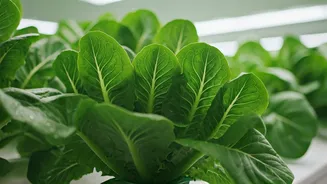
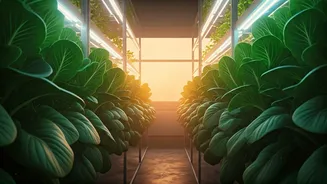
the overuse of chemical pesticides and fertilizers to the use of contaminated river water for irrigation and artificial coloring agents to make vegetables look fresher. For a generation raised on stories of food adulteration, the ability to control every input that goes into their food is the ultimate luxury. Hydroponics offers a closed-loop solution. In a sterile, controlled environment, the grower decides exactly which nutrients the plants receive. There is no soil-borne disease, no pesticide residue from a neighboring farm, and no questionable water source. For a data scientist or software engineer, this transforms farming from an act of faith into a manageable, predictable system. It’s about taking a chaotic, opaque supply chain and replacing it with a transparent, hyperlocal one that ends on their own dinner plate. This quest for purity isn't just about health; it's about reclaiming a sense of agency over one's well-being.
Data, Not Dirt: The Tech Mindset
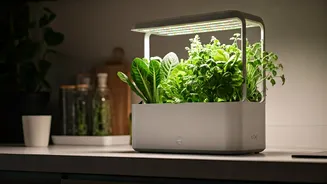
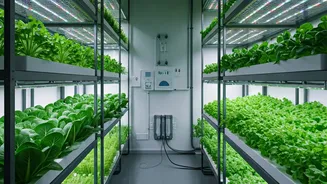
If you’ve spent your career optimizing code or analyzing user data, the appeal of hydroponics is almost intuitive. It’s farming reframed as an engineering problem. Traditional agriculture can seem messy and unpredictable, subject to weather, pests, and the mysterious whims of the soil. Hydroponics, by contrast, is a system of measurable inputs and outputs. It’s about pH levels, nutrient concentration (measured in parts per million), light cycles, and water temperature. It’s a garden that can be run with a spreadsheet. This speaks directly to the tech-savvy mindset, which thrives on optimization, efficiency, and scalability. Many high-end home hydroponic kits come with sensors, automated systems, and apps that allow users to monitor and tweak their garden’s conditions from their smartphone. It gamifies agriculture, turning it into a challenge of achieving the perfect conditions for growth. For people who build and manage complex digital systems for a living, applying that same skill set to growing the perfect heirloom tomato is a deeply satisfying and intellectually stimulating hobby.
A New Kind of Status Symbol
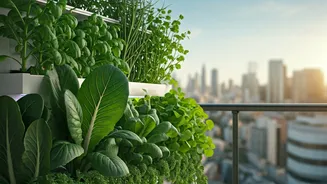
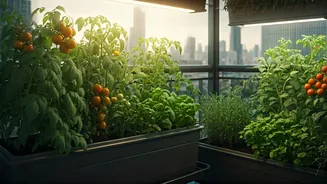
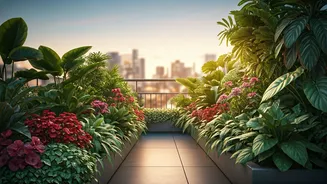
In the upscale neighborhoods of South Delhi or Gurugram, a meticulously maintained hydroponic garden has become a new form of social currency. It’s more than a source of fresh lettuce; it’s a statement. Having a rooftop farm signals that you are not only affluent enough to afford the setup but also sophisticated, health-conscious, and environmentally aware. It’s a conversation starter at dinner parties, where the host can casually mention that the basil in the pesto or the greens in the salad were harvested just moments before. This trend fits into a broader global movement toward wellness and conspicuous sustainability. Much like driving an electric car or wearing clothes from an ethical brand, practicing hydroponics signals a commitment to a certain modern value system. It communicates an understanding of complex issues like food security and environmental degradation, and it presents a polished, high-tech solution. It’s a tangible symbol of a forward-thinking lifestyle, blending self-sufficiency with cutting-edge technology.
Solving the Urban Conundrum
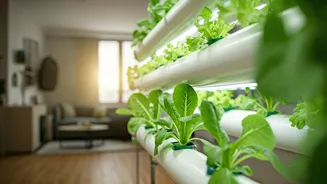
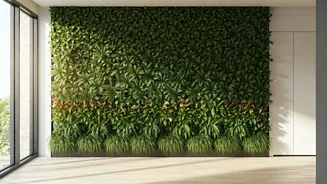
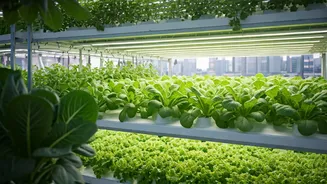
Finally, there’s the simple, brute-force logic of urban geography. Delhi is one of the most densely populated cities in the world. Private gardens with fertile soil are a rarity reserved for the ultra-wealthy. Most residents, even the affluent, live in apartments or homes with limited outdoor space, like a small balcony or a flat rooftop. Hydroponics is perfectly suited for this reality. Vertical farming systems can produce a significant amount of food in just a few square feet. Since there's no soil, the setups are relatively lightweight and clean, making them ideal for urban dwellings. Furthermore, the technology is incredibly water-efficient, using up to 90% less water than traditional agriculture. In a city that frequently faces water shortages, this efficiency is not just a selling point; it’s a responsible choice. Hydroponics provides a practical answer to the question: How do you experience the joy and benefits of gardening when you have no land, and how do you do it sustainably in a resource-strained environment? For Delhi's problem-solving tech elite, it was an answer too logical to ignore.