


An Unspoiled Himalayan Secret
Tucked away in the Kullu district of Himachal Pradesh, Tirthan Valley feels like a world apart from India’s bustling cities. For American travelers accustomed to either hyper-curated resorts or dauntingly rugged backcountry, Tirthan offers a refreshing
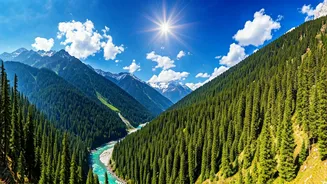
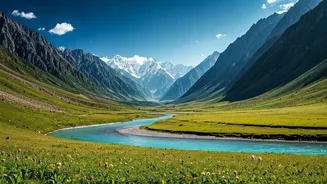
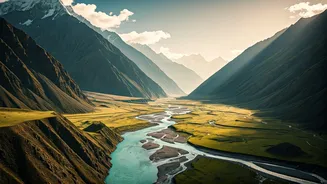
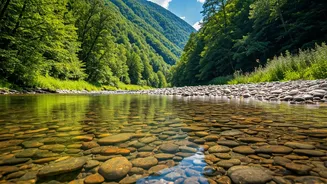
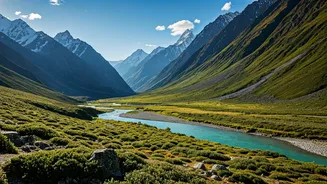
middle ground. Designated an eco-tourism zone, the valley is defined by what it lacks: large-scale hotels, commercial clamor, and the checklist-driven tourism that has overwhelmed other Himalayan hotspots. Instead, its identity is rooted in the pristine Tirthan River that flows through it and its role as the gateway to a protected wilderness. It’s a place where the primary attractions are the crisp mountain air, the sound of rushing water, and the dense canopy of ancient forests.
The Call of the Forest Trails
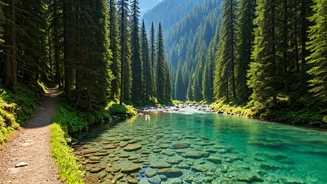
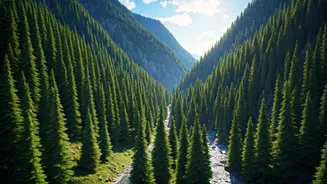
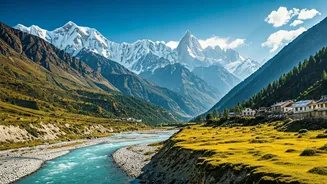
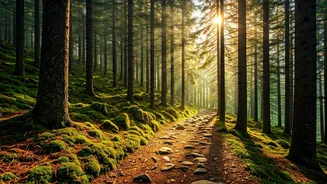
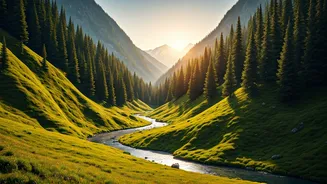
The trails are the true heart of the Tirthan experience. They aren't just paths; they are lifelines connecting secluded hamlets and sacred groves. Unlike the high-altitude, oxygen-deprived treks that require weeks of acclimatization, Tirthan’s trails are accessible and endlessly rewarding. You can opt for a gentle hour-long walk along the river, crossing wooden bridges and passing apple orchards, or embark on a multi-day trek into the Great Himalayan National Park. These paths wind through magnificent forests of pine and deodar cedar, opening up to panoramic views of the surrounding peaks. Along the way, you’ll encounter hidden waterfalls, diverse birdlife, and a profound sense of solitude that is increasingly rare in the world.
Life Along the River
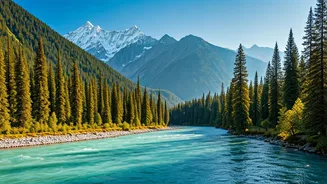
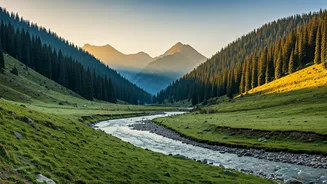
The Tirthan River is more than just a scenic backdrop; it's the valley's soul. Fed by glacial springs, its waters are so clear and clean that they are famous for trout. Introduced by British colonists in the early 20th century, angling for brown and rainbow trout has become a signature, meditative activity here. Even for non-anglers, the river is a constant, soothing companion. The simple act of sitting on a riverside boulder, listening to the water flow over stones, is an experience in itself. Many of the valley's best homestays are situated right on the riverbank, allowing guests to fall asleep to its gentle murmur and wake up to misty morning views over the water.
Homestays and Village Culture
Accommodation in Tirthan Valley is an integral part of the cultural immersion. Instead of impersonal hotels, the region is known for its warm and welcoming homestays run by local families. These aren’t just rooms for rent; they are invitations into a way of life. Staying in a traditional wood-and-stone house in a village like Gushaini or Nagini offers a chance to eat authentic Himachali food, learn about local customs, and connect with hosts on a personal level. This model of tourism ensures that revenue stays within the community, fostering a sustainable ecosystem where locals have a vested interest in preserving the valley’s natural and cultural integrity. It’s a more intimate, responsible, and ultimately more memorable way to travel.
Gateway to a UNESCO Treasure
Perhaps Tirthan Valley’s greatest claim to fame is its proximity to the Great Himalayan National Park (GHNP), a UNESCO World Heritage Site. The valley serves as the buffer and eco-zone for this vast, untouched wilderness, which is home to rare and endangered species like the snow leopard and the Himalayan blue sheep. While access to the park's core requires permits and guides, the trails leading from Tirthan offer a stunning preview of its biodiversity. For serious trekkers, the valley is the starting point for incredible multi-day expeditions into the park’s pristine heartland. This connection to a globally recognized natural treasure elevates Tirthan from a pretty destination to a crucial hub for conservation and adventure.