

The Post-Pandemic Palate Shift
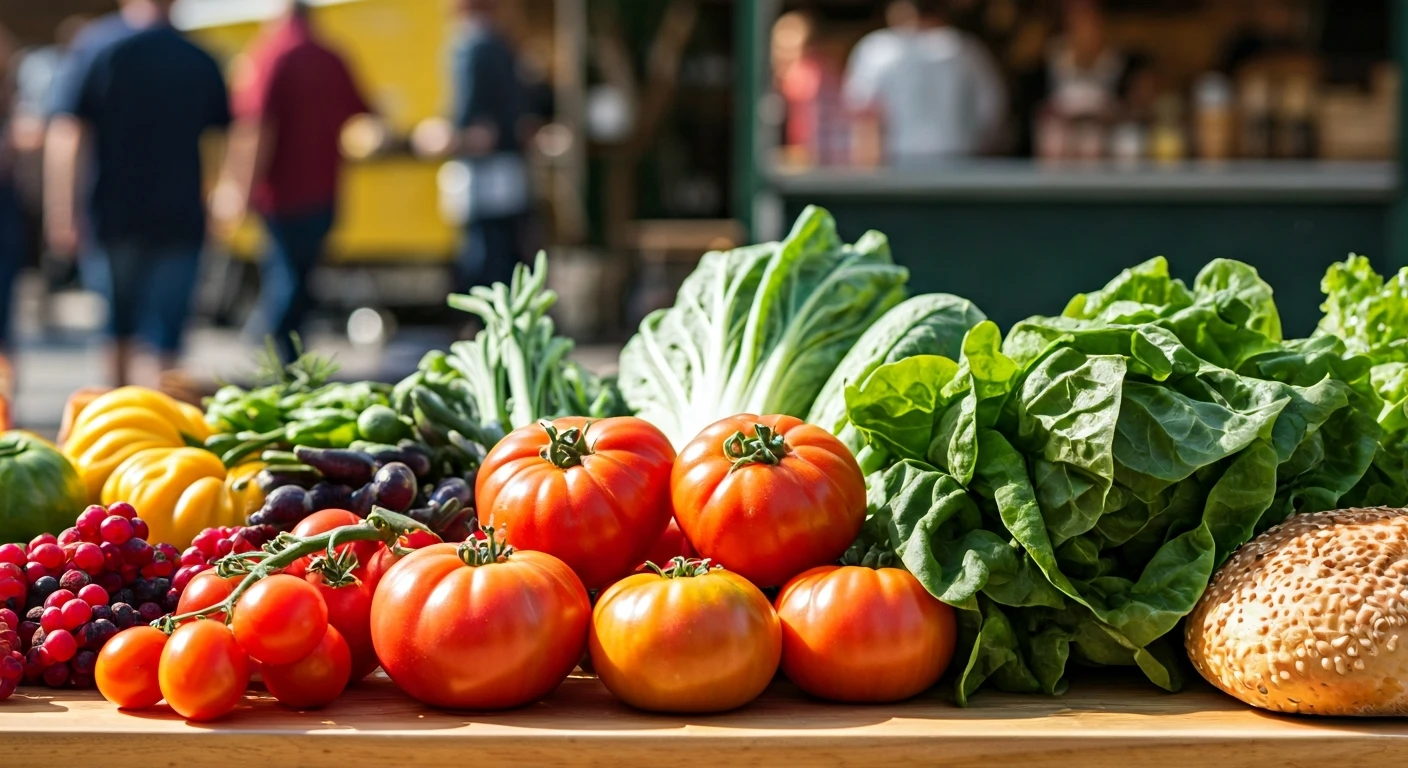
After years of takeout boxes and comfort-food cravings, a collective desire for something bright, clean, and wholesome has taken root. The trend isn't just about health; it's about reconnecting with food in a more tangible way. Strolling through a farmers'
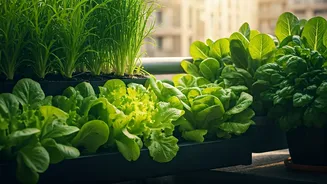
market, with its colorful pyramids of heirloom tomatoes and fragrant bunches of basil, offers a sensory experience that a styrofoam container just can't match. Shoppers are increasingly driven by a desire for transparency—they want to know where their food comes from and who grew it. This turn toward the local and the seasonal is less of a diet and more of a lifestyle choice, prioritizing freshness and a feeling of community that has been sorely missed. It’s a vote for food that feels both nourishing and authentic.
Redefining 'Value' in an Inflationary Era
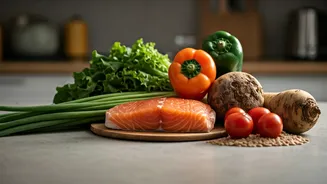
With grocery and restaurant prices continuing to climb, consumers are carefully considering what constitutes a good value. For some, a $15 specialty taco from a trendy food truck feels like an indulgence. In contrast, spending that same $15 on a bag filled with fresh zucchini, a carton of berries, and a head of lettuce from a local farm stand can feel like a smarter, more sustainable investment. This isn't to say street food is a bad deal, but the definition of 'value' is expanding. It now includes not just the meal itself, but its potential—the multiple meals you can create, the health benefits you perceive, and the direct support you're giving to a local agricultural economy. In this context, fresh food is increasingly seen as a practical and fulfilling choice, stretching the dollar further while delivering on quality.
How Street Food Is Adapting to Win
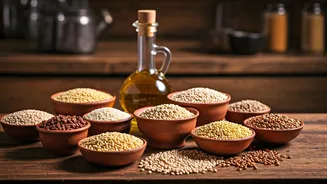
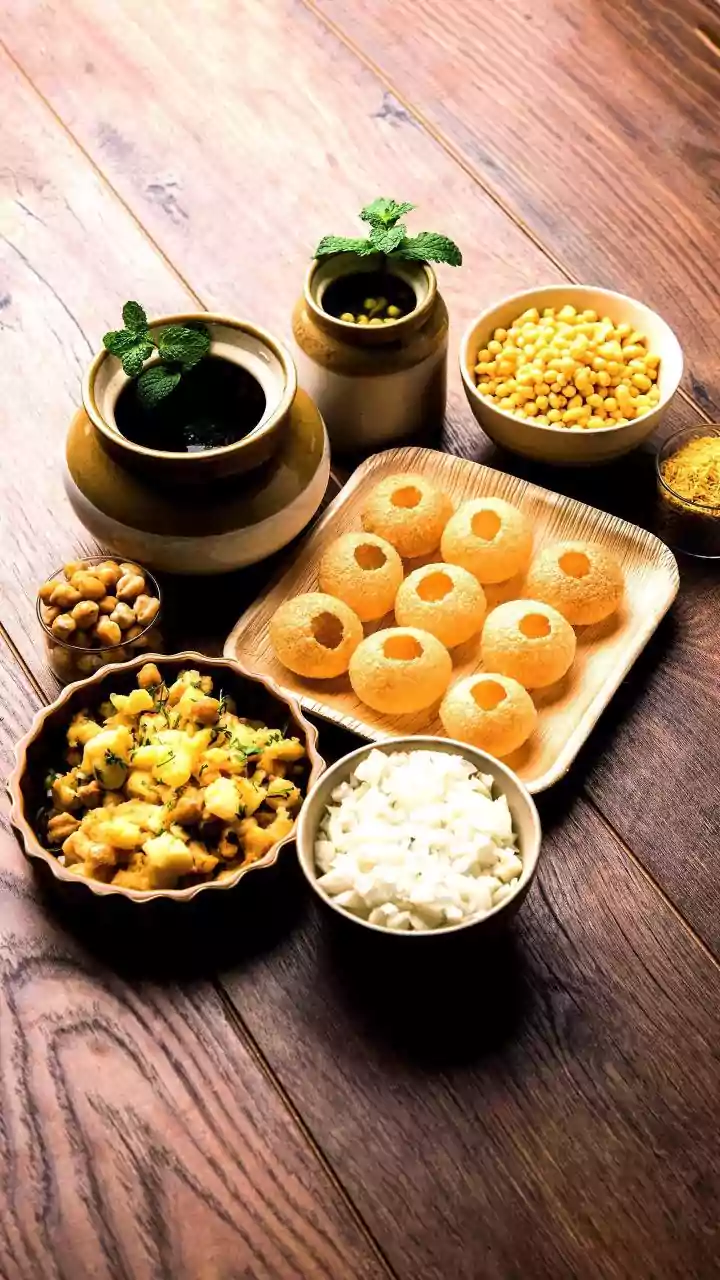
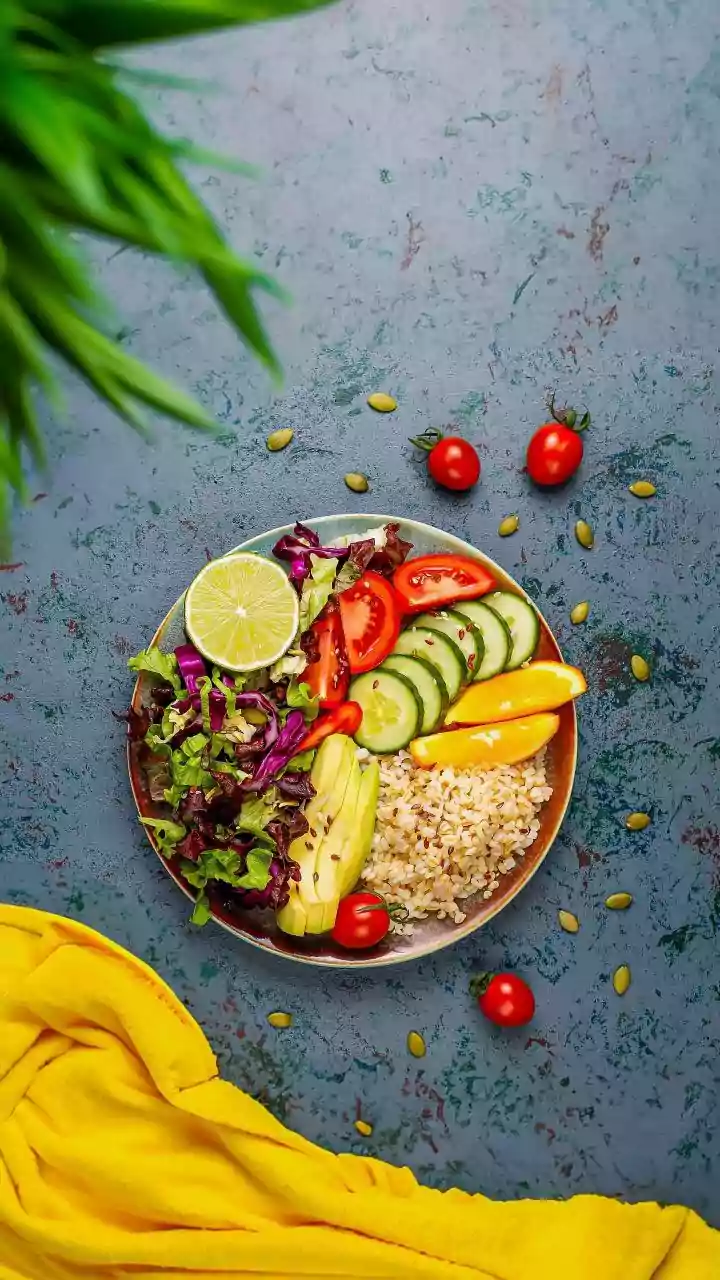
But don't count the food trucks out just yet. The best street food vendors are not victims of this trend; they are active participants. Instead of sticking to heavy, fried classics, savvy entrepreneurs are revamping their menus to compete. You’ll now find food trucks slinging vibrant grain bowls packed with seasonal vegetables, gourmet salads with farm-fresh ingredients, and even cold-pressed juices. Many are forming direct partnerships with local farms, proudly displaying the name of the grower who supplied their produce. They are effectively becoming mobile farm-to-table kitchens. This evolution proves that 'street food' doesn't have to mean greasy. By embracing the very trend that challenges them, these vendors are proving their resilience and creativity, offering a compelling alternative for those who want freshness and convenience in one delicious package.
The Blurring Lines Between Market and Truck
Ultimately, this isn't a zero-sum game. The most exciting development is the fusion of these two worlds. The modern farmers' market is no longer just a place to buy raw ingredients; it's a culinary destination. Alongside stalls of produce, you'll find artisanal bakers, cheesemakers, and, yes, high-quality food vendors serving breakfast burritos made with farm eggs or wood-fired pizzas topped with market vegetables. At the same time, street food festivals are curating their participants more carefully, prioritizing those who champion local sourcing. This hybrid model offers the best of both worlds: the vibrant atmosphere and fresh ingredients of a market, combined with the culinary innovation and convenience of street food. It’s a sign that the real winner isn't one type of food, but the discerning consumer who gets to enjoy the delicious results of this friendly competition.