




Start with Your Tires
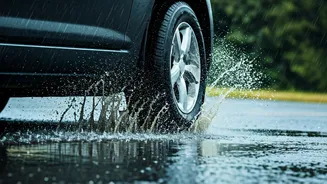
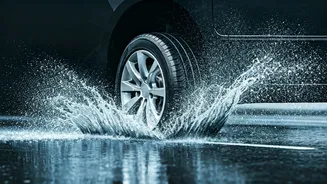
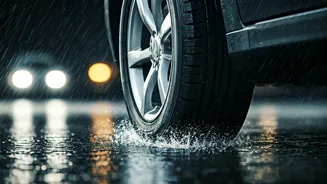
Your tires are the only part of your vehicle that touches the road, and in a downpour, their condition is critical. The primary danger on wet roads is hydroplaning, which occurs when a layer of water builds up between your tires and the road surface,
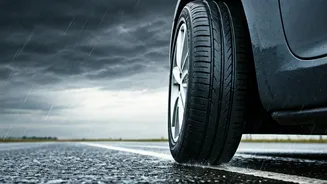
causing a loss of traction and control. The key defense is adequate tread depth. Tire treads are designed to channel water away from the tire's footprint. When they’re worn down, they can't do their job effectively. You can check your tread depth with a simple penny test: insert a penny into the tread with Lincoln's head upside down. If you can see all of his head, your tires are worn and likely need replacing. Also, ensure your tires are inflated to the manufacturer’s recommended pressure, which you can find on a sticker inside the driver’s door jamb. Properly inflated tires maintain their optimal shape, helping to cut through water more efficiently.
Inspect Your Wiper Blades
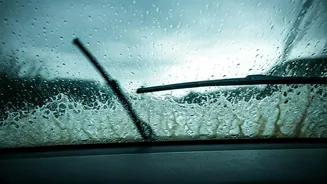
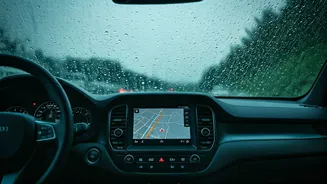
Visibility is your best friend during a monsoon storm. If your wiper blades are old, cracked, or hardened from sun exposure, they won't clear your windshield effectively. Instead, they’ll smear water, creating a blurry mess that’s incredibly dangerous when you’re trying to navigate slick roads and spot hazards. Replacing wiper blades is an inexpensive and easy maintenance task you can do yourself. Test them before the first big storm hits. If they leave streaks or make chattering noises, it’s time for a new pair. While you're at it, top off your windshield washer fluid. Road grime and mud kicked up by other cars can quickly coat your windshield, and you’ll need that fluid to clear it away.
Don't Forget Your Brakes
Wet roads significantly increase your vehicle’s stopping distance. This is a simple matter of physics—less friction means more time and distance are needed to come to a halt. Before the season starts, have your brakes inspected, especially if you’ve noticed any squealing, grinding, or a spongy feeling in the pedal. A professional can check your brake pads, rotors, and fluid levels. Even with brakes in perfect condition, you must adjust your driving style in the rain. Increase your following distance to at least double what it would be in dry conditions. This gives you the buffer you need to react to sudden stops or obstacles in the road without panic braking, which can lead to a skid.
Check All Your Lights
During a heavy downpour, visibility drops dramatically. Your vehicle's lights aren't just for helping you see; they are essential for helping other drivers see you. Walk around your car and check that your headlights, taillights, brake lights, and turn signals are all functioning correctly. Ask a friend to stand behind the car while you press the brake pedal to confirm your brake lights are working. Headlight lenses can become foggy or yellowed over time, significantly reducing their brightness. You can use a headlight restoration kit to clean them or have it done professionally. In many states, it’s legally required to have your headlights on whenever your wipers are in use—a good rule of thumb to follow everywhere.
Understand the Dangers of Floodwaters
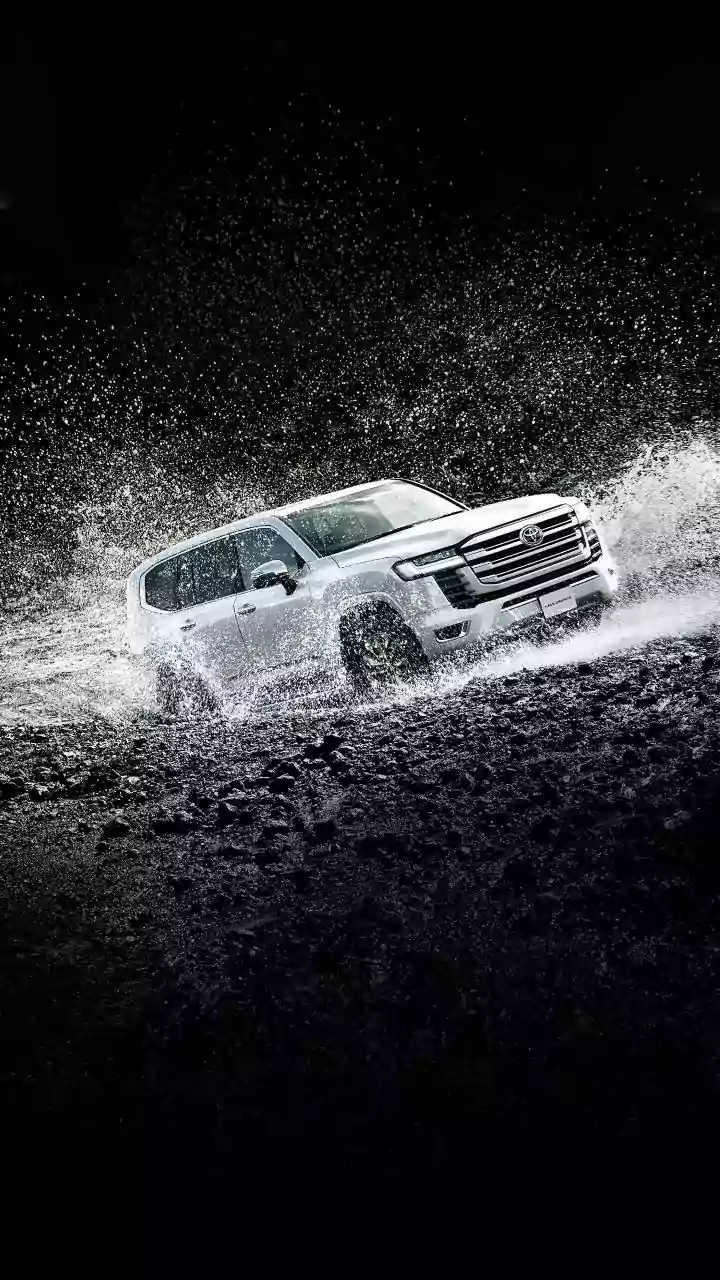
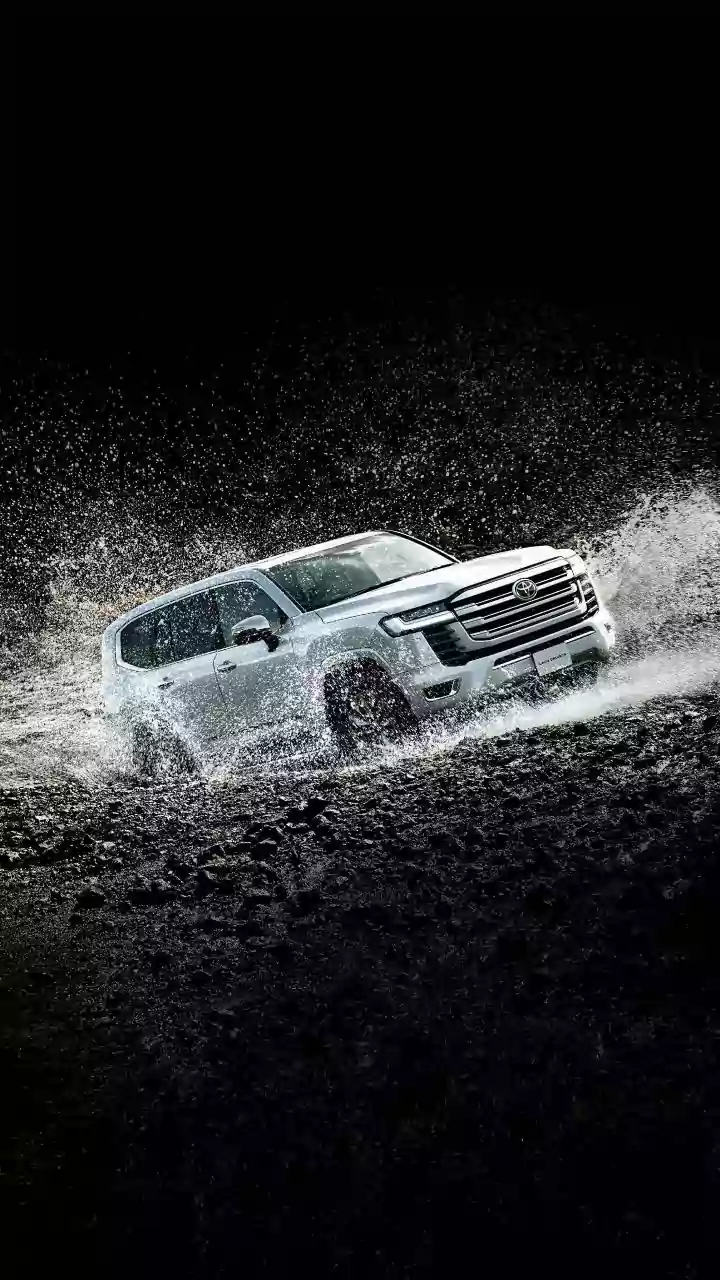
This is the most important rule: never, ever drive through a flooded roadway. It’s impossible to tell how deep the water is or if the road underneath has been washed away. It takes just six inches of water to reach the bottom of most passenger cars, causing loss of control and potential stalling. A foot of water can float many vehicles, and two feet of rushing water can sweep away most vehicles, including SUVs and pickups. Driving through standing water can also cause catastrophic engine damage. If water is sucked into your engine’s air intake, it can cause "hydro-locking," a condition that can bend piston rods and destroy the engine. The official advice from the National Weather Service is simple and worth repeating: Turn Around, Don't Drown. It's not worth the risk to your vehicle or your life.