




Closing the Kitchen-to-Garden Loop
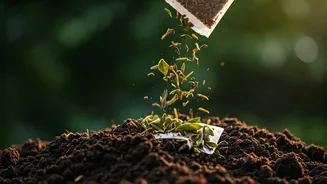
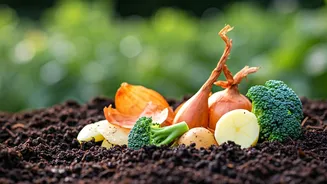
Every time you toss a banana peel or the end of an onion, you’re throwing away valuable organic matter. When these scraps break down in the soil, they release essential nutrients like nitrogen, phosphorus, and potassium—the same building blocks you find
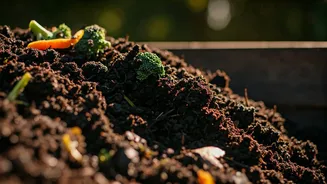
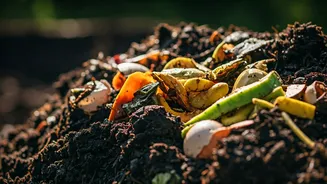
in commercial fertilizers. By redirecting your kitchen waste to your garden, you create a self-sustaining cycle. You’re not just reducing your contribution to landfills; you’re actively feeding the soil that will, in turn, feed your future vegetables, herbs, and flowers. This process, often called composting or soil amendment, improves soil structure, enhances water retention, and encourages a healthy ecosystem of beneficial microbes and earthworms. It’s one of the simplest and most effective ways to practice sustainability at home, saving you money on soil conditioners and fertilizers while giving your plants a natural, wholesome boost.
The 'Yes' List: Scraps Your Garden Will Love
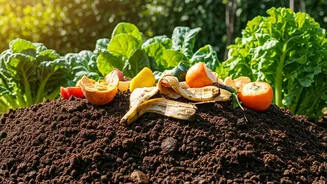
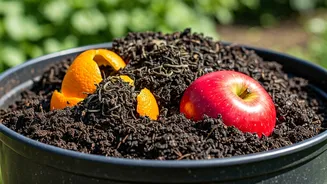
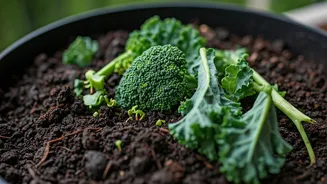
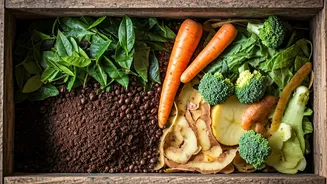
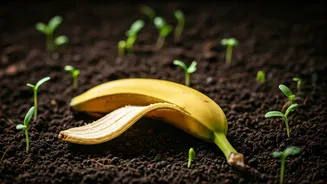
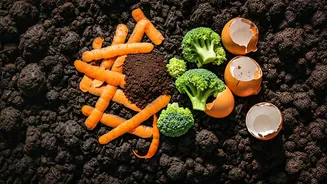
Not all scraps are created equal, but a huge portion of your daily kitchen output is perfect for the garden. Focus on collecting plant-based materials. Think of this as your garden’s ideal diet: - **Fruit & Vegetable Peels:** Banana peels (a great source of potassium), apple cores, potato skins, and citrus rinds are fantastic. Just be aware that citrus can take longer to break down. - **Coffee Grounds & Tea Leaves:** Coffee grounds are rich in nitrogen, a crucial nutrient for leafy growth. Most plants love them. Used tea leaves (and paper tea bags) are also excellent. - **Eggshells:** Rinse them, let them dry, and crush them into a fine powder. They add a slow-release source of calcium, which helps prevent blossom-end rot in plants like tomatoes and peppers. - **Stale Bread & Grains:** Small amounts of plain, mold-free bread, pasta, or rice are fine, but be sure to bury them well to avoid attracting pests. - **Wilted Greens & Herb Stems:** The sad lettuce in the back of your fridge and the tough stems from a bunch of parsley are garden gold.
The 'No' List: What to Keep Out
Just as important as what to add is what to avoid. Keeping certain items out of your garden soil or compost pile is key to preventing foul odors, attracting pests like rodents, and avoiding the introduction of harmful pathogens. Steer clear of these: - **Meat, Fish & Bones:** These materials are notorious for attracting unwanted animals and can create powerful, unpleasant smells as they rot. - **Dairy Products:** Milk, cheese, and yogurt can also cause odor issues and attract pests. - **Oils, Fats & Grease:** Oily salad dressings, cooking oil, and greasy foods can disrupt the moisture balance in your compost and slow down decomposition. - **Pet Waste:** Waste from cats and dogs can contain parasites and pathogens that are harmful to humans and should never be used in a food garden. - **Diseased Plants:** Avoid composting any plants from your garden that showed signs of disease or a major pest infestation, as you risk reintroducing the problem next season.
Get Started: Three Easy Methods
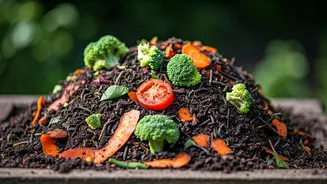
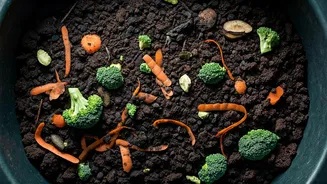
You don't need a fancy setup to get started. Choose the method that best fits your space and commitment level. 1. **Trench Composting:** This is the simplest technique. Dig a trench about 12 inches deep in your garden bed, fill it with a few inches of kitchen scraps, and cover it back up with soil. The scraps will decompose directly in the ground over several weeks or months, enriching the soil right where your plants will grow. It's a perfect out-of-sight, out-of-mind solution. 2. **The Classic Compost Pile:** If you have more space, a dedicated compost pile or bin is a highly efficient option. Layer your “green” materials (kitchen scraps) with “brown” materials (like dry leaves, cardboard, or sawdust) to create a balanced environment for decomposition. Keep it moist and turn it occasionally to speed up the process. 3. **The Scrap Smoothie:** For a quick nutrient boost, you can create a liquid fertilizer. Place a few handfuls of scraps (banana peels and coffee grounds are great for this) in a blender with water. Blend until smooth, then dilute the mixture with more water (about a 1:4 ratio of smoothie to water). Use this “scrap smoothie” to water the base of your plants for a fast-acting dose of nutrients.