

The Queen of Hills Awakens
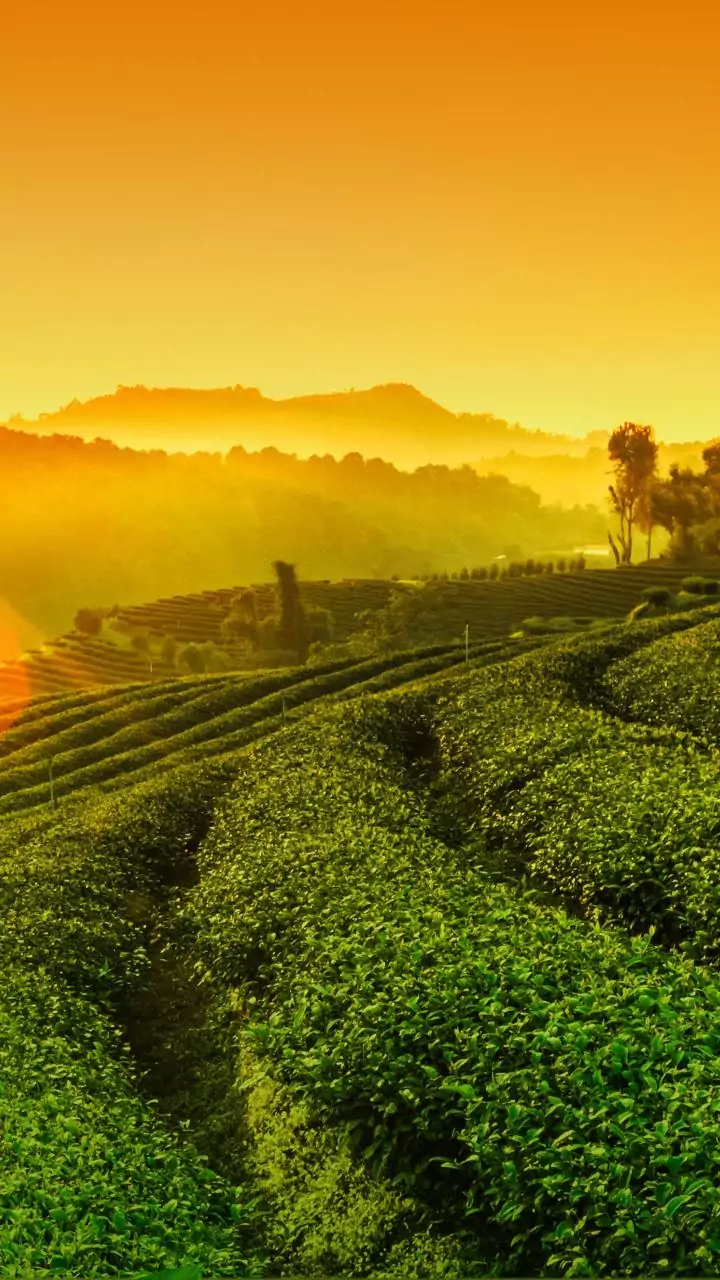
Forget what you think you know about summer travel. While others flock to crowded beaches, a quieter, more profound experience awaits in the Himalayan foothills. Darjeeling, the “Queen of the Hills,” a former British colonial escape in West Bengal, has
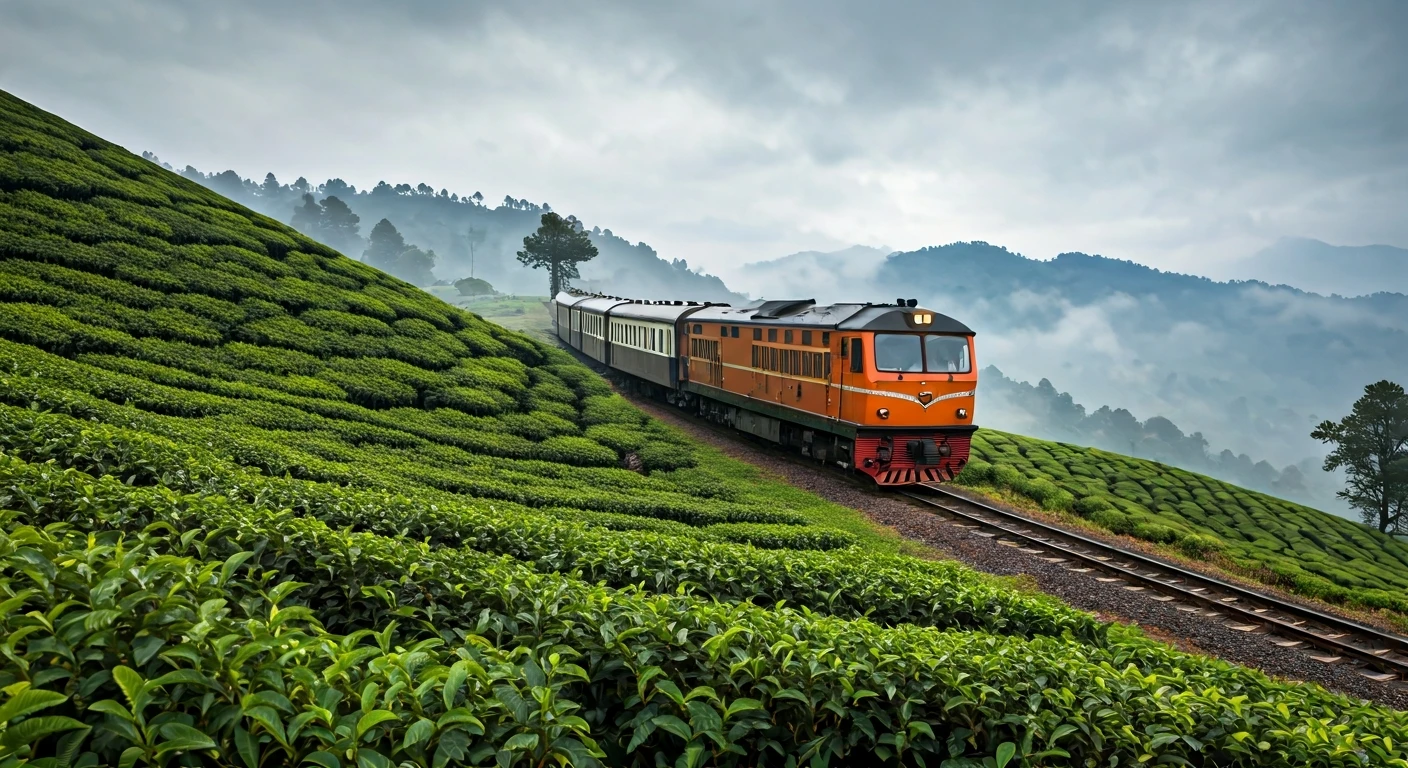
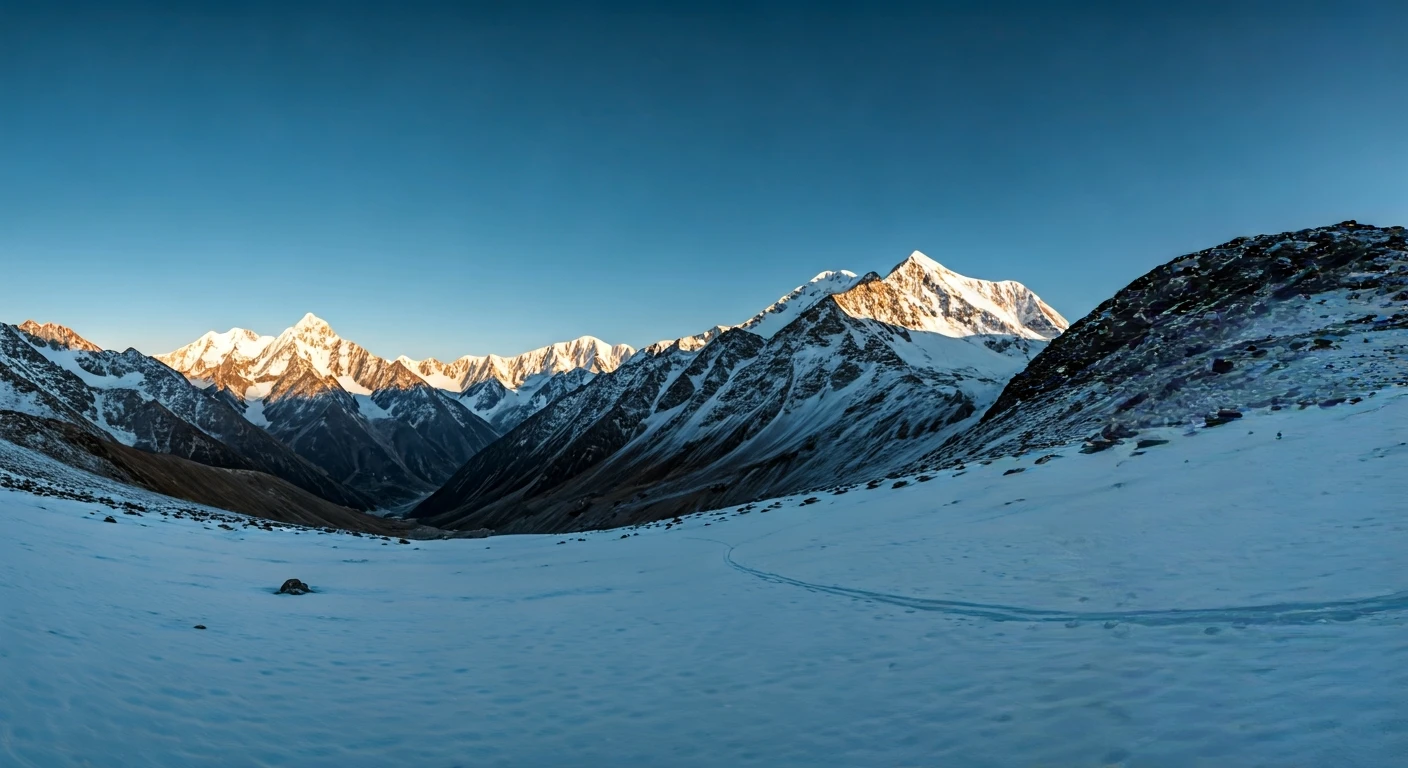
long been famous for its tea plantations and the UNESCO World Heritage “Toy Train.” But today, its true soul is found in its network of mountain cafes. These aren't your typical coffee shops. They are viewing galleries for the world’s third-highest peak, Kanchenjunga; they are social hubs where old-world charm meets modern comfort; and in June, they are cozy sanctuaries from the world.
Why June Is the Secret Season
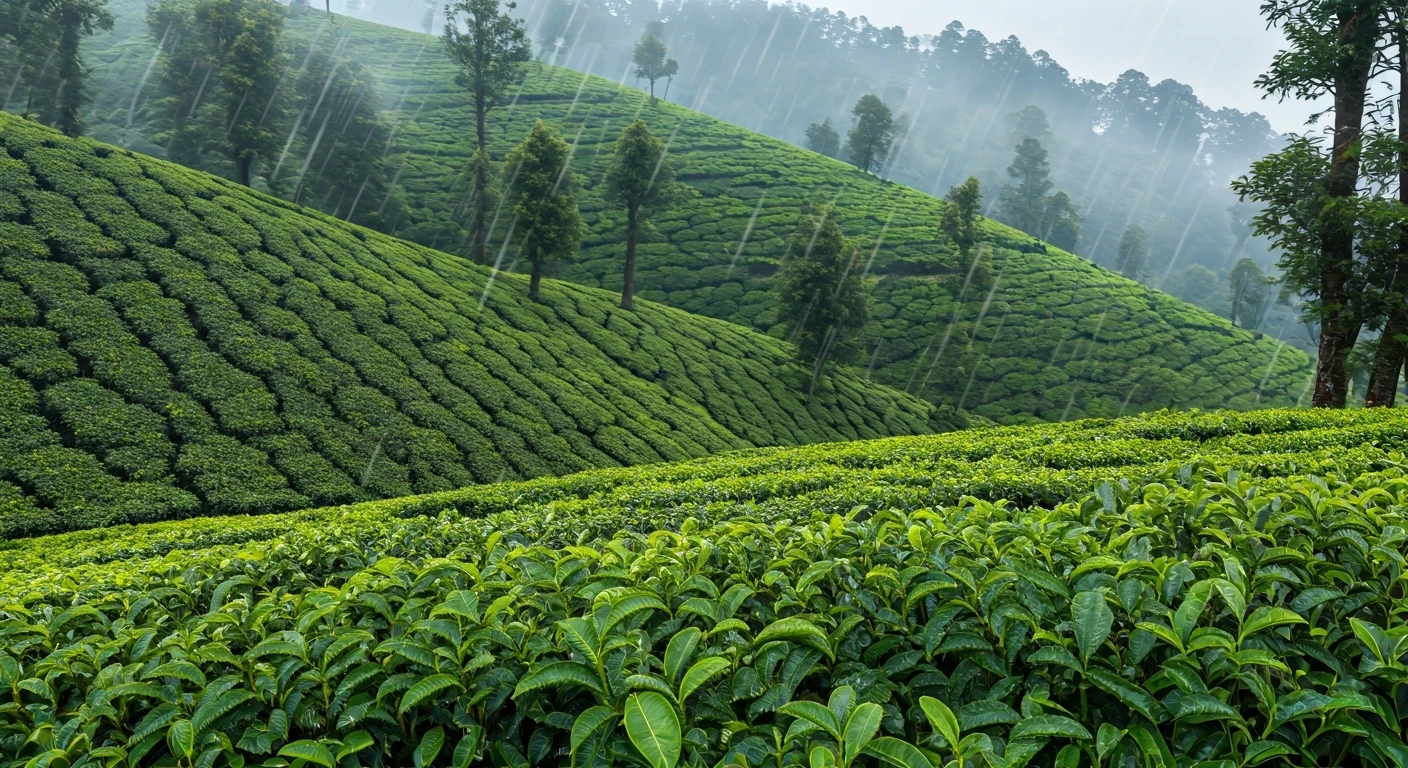
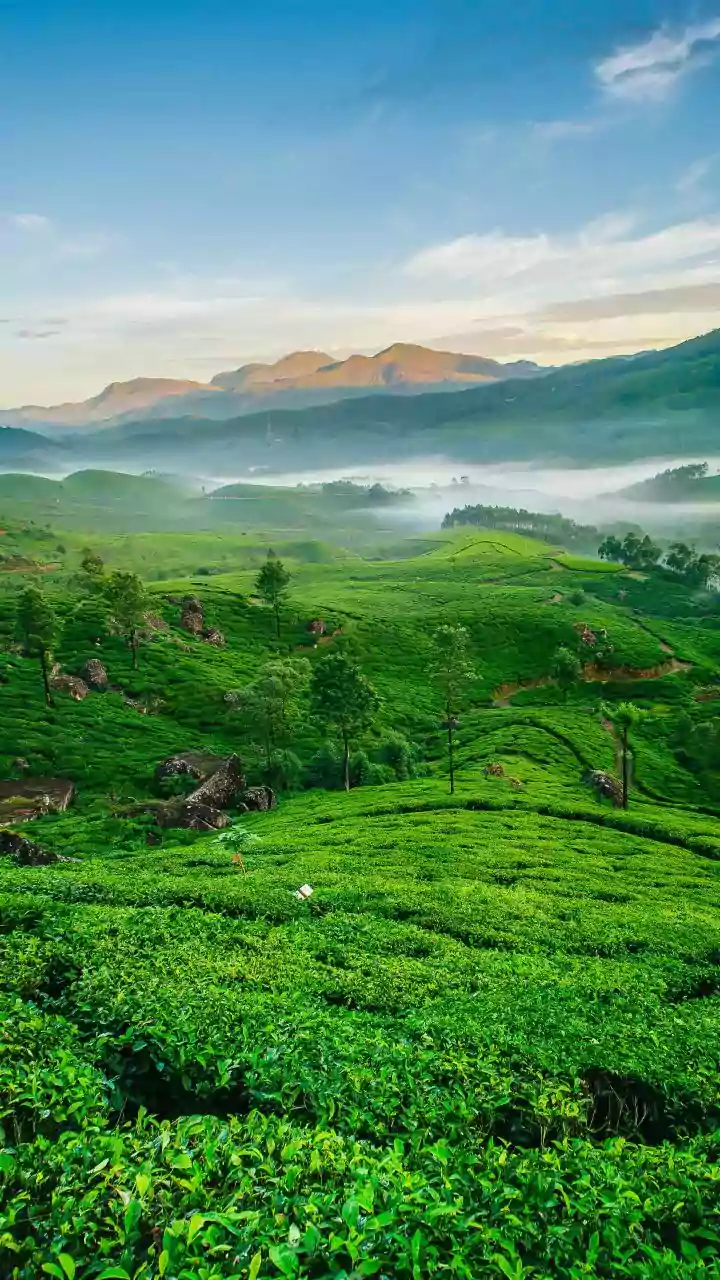
Let’s address the elephant in the room: the weather. June marks the arrival of the monsoon in Darjeeling. For the uninitiated, this sounds like a dealbreaker. For those in the know, it’s the main attraction. The pre-monsoon showers wash the dust from the air, leaving behind impossibly lush, green landscapes. The clouds don't just block the view; they become the view, rolling through valleys and wrapping the town in a moody, atmospheric embrace. The peak tourist season of spring has passed, and the heavy rains of July are yet to come. June is the sweet spot. The crowds thin, the hotel rates drop, and the town exhales. It’s a time for reading, reflection, and watching the drama of the weather unfold from a comfortable chair with a slice of plum cake.
From Colonial Relics to Modern Retreats
Darjeeling’s cafe scene is a story of then and now. You can’t talk about it without mentioning Glenary’s, an institution since the British Raj. With its grand ballroom, dark wood interiors, and a bakery overflowing with sticky buns and pastries, it feels like stepping back in time. The balcony offers a commanding view of the valley below, making it the quintessential spot for a proper English breakfast. Down the road, Keventer's offers a similar slice of history on its open-air rooftop terrace, famous for its full English breakfast and hot chocolate, best enjoyed while gazing at the distant, snow-capped Kanchenjunga on a clear morning. But the scene isn’t stuck in the past. Newer spots like the Himalayan Java Coffee and the Hot Stimulating Cafe offer excellent espresso, free Wi-Fi, and a younger, more global vibe, proving that Darjeeling’s cafe culture is still evolving. These places serve as social anchors for locals and travelers alike, each offering a unique window into the life of this mountain town.
More Than Just a Cup of Tea
The cafes are the hook, but they are also the perfect base camps for exploring Darjeeling. You start your day with a robust Assam tea at a cafe before hopping on the Toy Train for its iconic chugging journey. After a morning spent exploring the Padmaja Naidu Himalayan Zoological Park or the Himalayan Mountaineering Institute, you duck into a small cafe for momos (Tibetan dumplings) and a respite from a passing shower. The cafes are where you plan your next move, write in your journal, and process the incredible beauty around you. They punctuate the day, offering moments of warmth and comfort between adventures. They transform a simple sightseeing trip into a richer, more contemplative experience, allowing you to connect with the rhythm of the place rather than just ticking off a checklist.