


The Rise of the 'Cool-Cation'
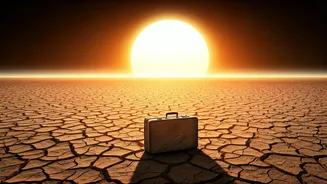
Remember when the whole point of a summer vacation was to find the hottest, sunniest spot possible? That logic is melting away. With record-breaking heat waves becoming an annual summer feature, many Americans are now traveling to escape the heat, not
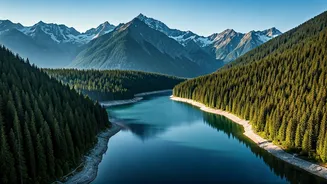
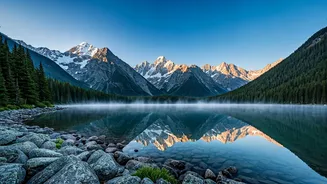
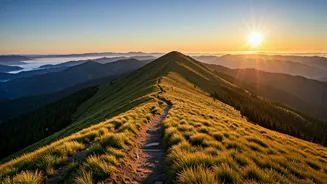
bake in it. This trend, dubbed the 'cool-cation,' is sending travelers toward destinations prized for their milder summer climates. Instead of Florida or the Caribbean, they’re booking trips to the Pacific Northwest, the Great Lakes region, and even Scandinavia or Alaska. The appeal is simple: you can actually enjoy being outside, exploring a city or hiking a trail without risking heatstroke. It's a pragmatic shift that redefines a 'good weather' destination as one that is comfortably pleasant, not punishingly hot.
The Appeal of Second Cities
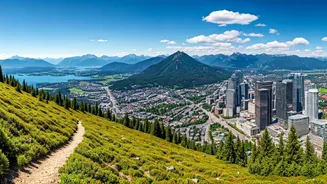
Overtourism and sticker shock are two of summer’s least enjoyable features, and they are most potent in major hubs like New York, Paris, and Rome. Enter the 'second city'—a smaller, less-trafficked urban destination that offers culture and fun without the chaotic crowds and sky-high prices. Travelers are discovering that they can have an incredible food scene, vibrant arts, and walkable neighborhoods in places like Milwaukee, Wisconsin; Richmond, Virginia; or Portland, Maine. These trips satisfy the desire for urban exploration but with a more relaxed, authentic feel. You spend less time in line and more time enjoying the local character, often for a fraction of the cost of a trip to a mega-metropolis.
The Deep Dive into Nature
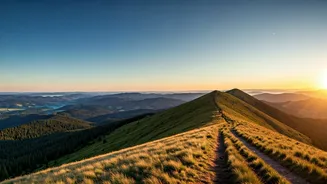
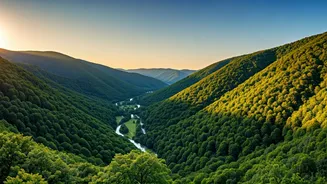
The pandemic-era boom in outdoor recreation wasn't a fleeting phase; it fundamentally changed how many people want to vacation. While national parks have always been popular, today’s travelers are going deeper. They aren’t just snapping a photo at a scenic overlook; they’re planning entire trips around active pursuits. This means multi-day kayaking trips in Minnesota’s Boundary Waters, learning to rock climb in Utah, or biking through Vermont’s Green Mountains. These vacations replace passive relaxation with active engagement, offering a sense of accomplishment and a genuine escape from the digital world. It’s less about getting a tan and more about reconnecting with nature—and oneself.
The Agri-Tourism Immersion
For another group of travelers, the best vacation is one you can taste. Agri-tourism, which centers on the source of our food and drink, is a burgeoning field. Instead of a beachfront hotel, these travelers might book a stay at a working farm, a boutique inn nestled in a vineyard, or a cabin near a renowned cheese trail. This type of travel is slow, sensory, and educational. You get to meet the people who produce the food, understand the landscape in a more intimate way, and enjoy incredibly fresh meals. Regions like Oregon’s Willamette Valley for wine, the Hudson Valley for its farm-to-table scene, and even parts of the Midwest for craft breweries are becoming prime destinations for those who want their trip to be as delicious as it is relaxing.
The Search for Quiet Culture
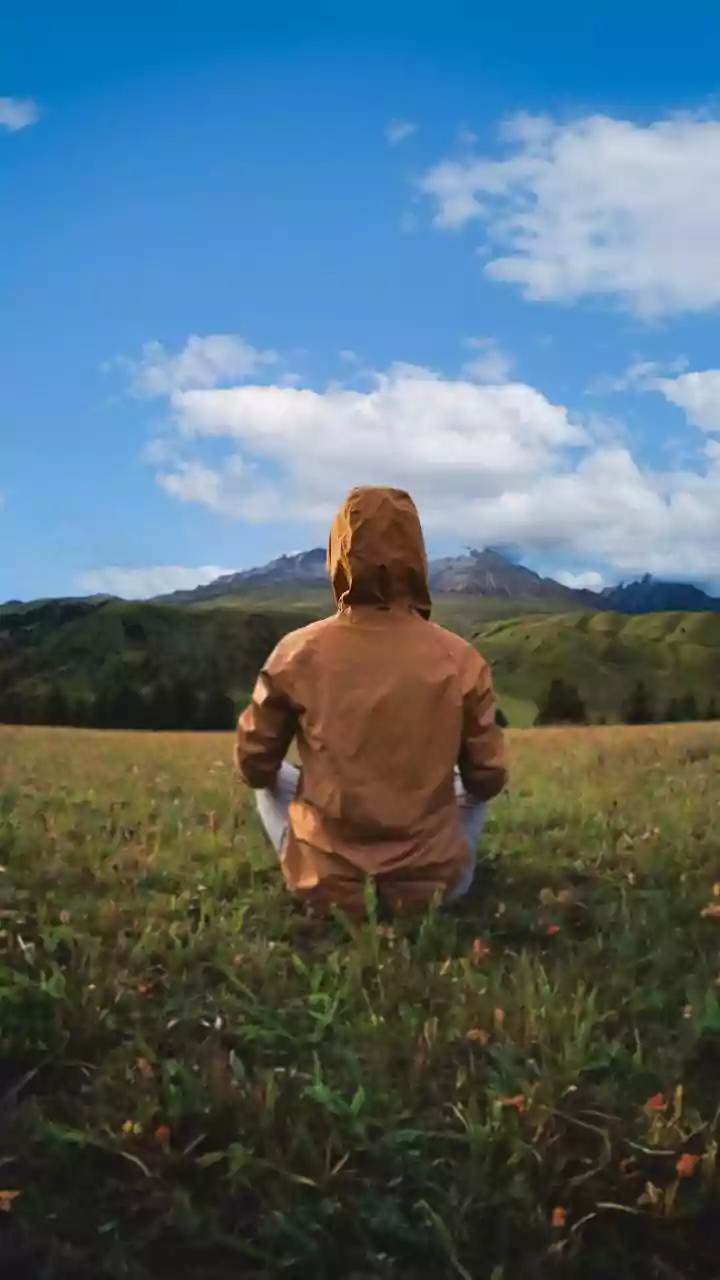
While some seek adventure, others are simply seeking peace. The traditional beach vacation can often feel like a non-stop party, but many travelers are now prioritizing mental wellness and quiet contemplation. This has led to a surge of interest in destinations that offer cultural experiences without the frenzy. Think small towns known for their art galleries and independent bookstores, spiritual retreats in serene settings, or historical tours in places far from the beaten path. This isn't about doing nothing; it's about doing something meaningful in a calm environment. The goal is to return from vacation feeling genuinely restored, not like you need another vacation to recover.