







The Slow Death of 'Go Hard or Go Home'
Remember the fitness culture of the 2010s? It was defined by grueling, high-intensity workouts that left you breathless and bragging about being sore for days. Think early CrossFit WODs, punishing bootcamps, and the pervasive idea that if you weren't
pushing to your absolute limit, you were wasting your time. The 'no days off' hashtag was a lifestyle, not a joke. But a quiet rebellion has been brewing. Athletes and everyday gym-goers alike are realizing that this relentless approach leads to a dead end of burnout, injury, and diminishing returns. The conversation has shifted from how much punishment you can endure to how intelligently you can recover. This isn't about being lazy; it's about being smart, recognizing that physical adaptation—the muscle growth, strength gains, and endurance we chase—happens during rest, not during the workout itself.
The Tech That Taught Us to Rest
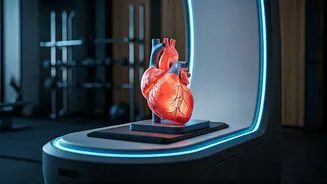
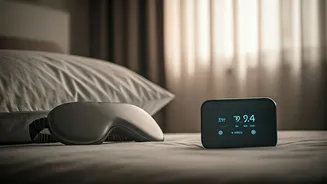
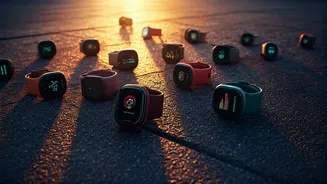
A huge driver of this new recovery-centric mindset is technology. For the first time, we have accessible tools that make the invisible visible. Wearables like Whoop straps, Oura rings, and advanced Garmin watches have gamified recovery. They don't just track your steps and heart rate during a workout; they monitor your sleep quality, heart rate variability (HRV), and daily strain to give you a 'recovery score.' Suddenly, the abstract concept of 'listening to your body' is supplemented with concrete data. Seeing a low recovery score after a poor night's sleep gives you permission—backed by data—to swap a high-intensity session for yoga or a walk. This technology has shifted the goal from simply logging a workout to optimizing your body's readiness to perform. It's turned a vague feeling into a measurable metric, making it harder to ignore the need for rest.
Beyond the Foam Roller
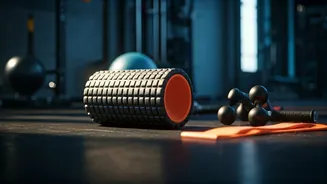
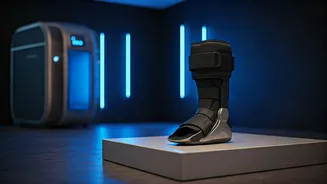
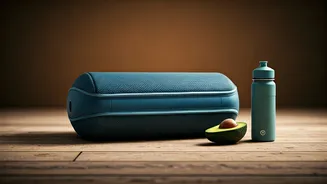
When people hear 'recovery,' they often picture a foam roller or a pricey massage gun. While those tools are part of the story, the modern approach to recovery is far more holistic. The real pillars are the unsexy, non-negotiable basics: sleep, nutrition, and hydration. Experts and elite athletes are now evangelizing the power of getting eight solid hours of sleep, emphasizing it as the single most effective performance-enhancing activity you can do. Beyond that, the definition of recovery has expanded to include a wide array of methods. Active recovery, such as light walks or gentle stretching on rest days, helps promote blood flow and reduce soreness. Mindfulness and meditation are being integrated to manage stress, which directly impacts physical repair. And yes, the tools are everywhere: from percussive massage guns (like Theragun) and pneumatic compression boots (like NormaTec) to ice baths and infrared saunas, the market for speeding up repair is booming.
The Billion-Dollar Business of Doing Nothing
With any trend comes commercialization, and recovery is no exception. The wellness industry has seized on this shift, creating a multibillion-dollar market for recovery products and services. You can now visit 'recovery labs' in major cities for a session in cryotherapy chambers or compression sleeves. Every fitness influencer seems to have a discount code for a CBD balm or a massage gun. It's wise to be a discerning consumer. While some tools have science-backed benefits for circulation and temporary pain relief, many are luxury items, not necessities. You don't need a $600 pair of compression boots to recover well. The core of the movement isn't about buying your way to better rest; it's about fundamentally changing your mindset. The most powerful recovery tools—sleep, water, and whole foods—are still the most affordable and effective.