




The Kitchen Danger Zone
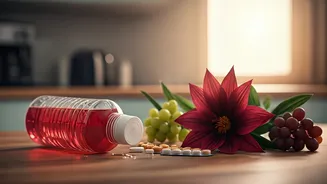
The kitchen is often the heart of the home, but for pets, it can be a minefield of potential toxins. The ASPCA’s Animal Poison Control Center (APCC) consistently lists human foods as a top source of accidental poisoning. Grapes, raisins, onions, garlic,
and chocolate are famously toxic to dogs and cats. Less obvious but equally dangerous is xylitol, an artificial sweetener found in sugar-free gum, candy, peanut butter, and baked goods. Even a small amount can cause a catastrophic drop in blood sugar and liver failure in dogs. To secure your kitchen, always store food out of reach on high shelves or in sealed pantries. Never leave groceries unattended on the counter, and be mindful of purses or backpacks that might contain sugar-free gum. Lastly, invest in a pet-proof trash can with a secure lid. The tempting smells of discarded food scraps can lead a curious pet to ingest something harmful, like coffee grounds, moldy food, or chicken bones.
Plant-Proof Your Living Space
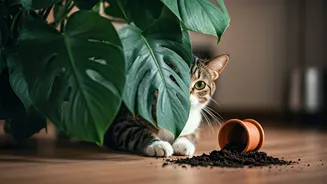
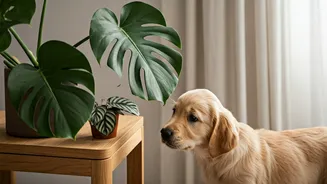
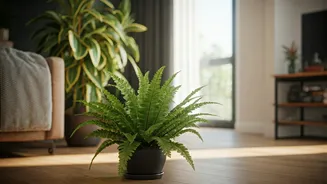
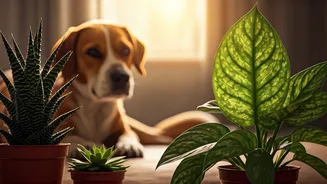
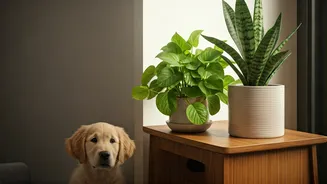
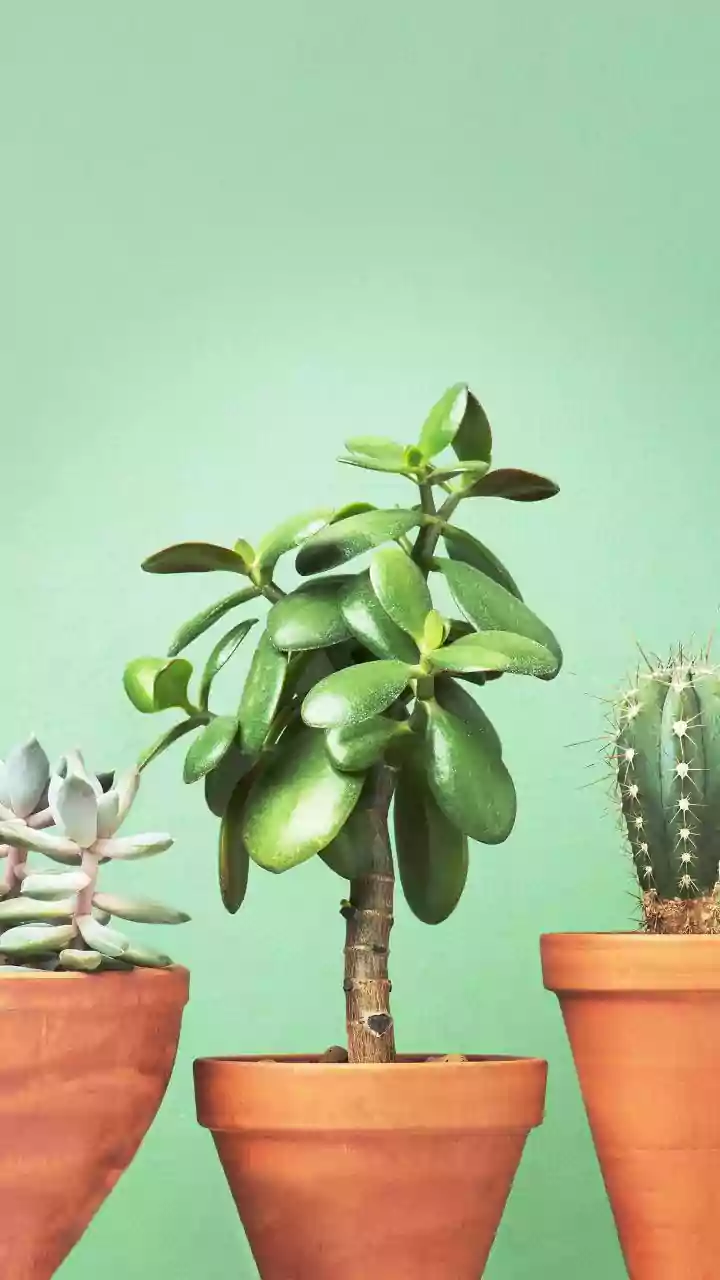
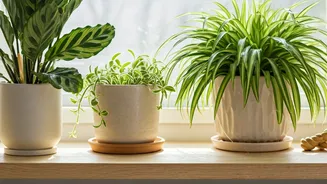
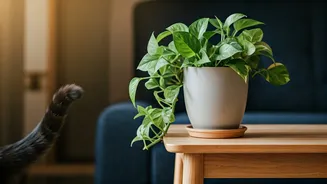
Houseplants can brighten up a small apartment, but many popular varieties are toxic to cats and dogs. According to the ASPCA, lilies are particularly deadly for cats, with ingestion of any part of the plant—even the pollen or water from the vase—potentially causing kidney failure. Other common but harmful plants include Sago Palms, Tulips, Oleander, and Philodendrons. Before bringing any new greenery into your home, consult the ASPCA's extensive list of toxic and non-toxic plants. If you already own a toxic plant, the safest solution is to re-home it. If you can't part with it, ensure it's placed in a room that is completely inaccessible to your pet at all times. Don’t assume a high shelf is safe; cats are expert climbers.
Secure the Bathroom and Laundry Area
The bathroom and any associated laundry areas are stocked with chemicals that pose a significant threat. Cleaning products, especially those containing bleach, ammonia, or phenols (like in some toilet bowl cleaners), can cause severe chemical burns to the mouth and digestive tract if ingested. Always store these products in a locked cabinet or one with a child-proof latch that a determined pet can’t nudge open. Spills should be cleaned up immediately and thoroughly. Also, keep toilet lids down to prevent pets from drinking treated water. In the laundry area, keep detergent pods locked away, as their bright colors can be mistaken for toys, leading to poisoning if punctured and ingested.
Watch Out for Human Medications
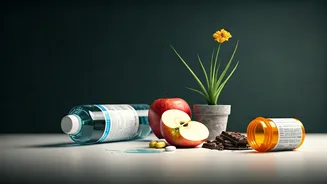
Both over-the-counter and prescription medications for humans are a leading cause of pet poisoning. A single dropped pill can have devastating consequences. Common culprits include NSAIDs (like ibuprofen and naproxen), antidepressants, and ADHD medications. Never leave pill bottles on a nightstand or low counter where a pet could knock them over and chew on the contents. Store all medications in a secure medicine cabinet. If you use a weekly pill organizer, make sure it’s kept somewhere completely out of your pet’s reach. A dropped pill should be treated like a five-alarm fire—find it immediately before your pet does.
Address Apartment-Specific Risks
Apartment living comes with its own set of unique hazards. Balconies can pose a serious fall risk; ensure railings are secure and that your pet cannot squeeze through any gaps. Screens on windows should be sturdy and checked regularly for tears. Another major concern is pest control. If your building management uses insecticides or rodenticides, ask for details on the products used and where they are placed. Baits used to attract rodents are often designed to be tasty, making them equally appealing to dogs and cats. Ensure any traps or poisons are placed in areas your pet absolutely cannot access. When in doubt, opt for pet-safe pest control methods or have your pet stay elsewhere during treatments.