







The Great American Cooldown
It’s a phenomenon gaining momentum across the United States: the rise of the “cooling vacation.” As summers in states like Texas, Arizona, and Florida become increasingly defined by relentless, record-breaking heatwaves, a new travel pattern is emerging.
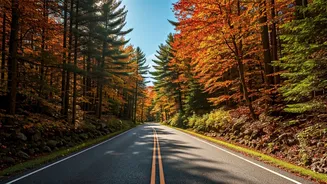
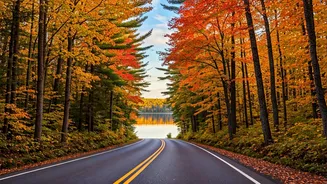
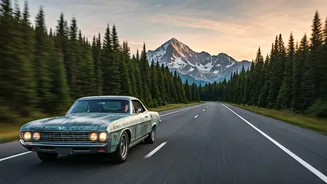
Instead of flocking to traditional beach resorts, a significant number of Americans are seeking refuge from the thermometer. They are packing their cars, loading up their RVs, and driving toward the promise of lower humidity, cool breezes, and landscapes not scorched by triple-digit temperatures. This isn’t just about escaping the heat for a weekend; it’s about reclaiming the summer, one northbound mile at a time. This migration is fueled by a simple, primal need for thermal comfort, turning the classic American road trip into a strategic retreat.
From Sun Belt to Lake Belt
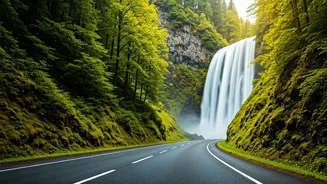
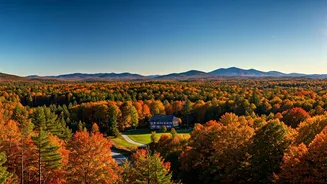
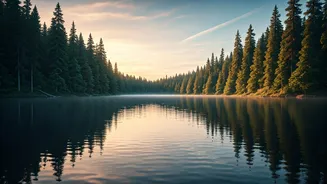
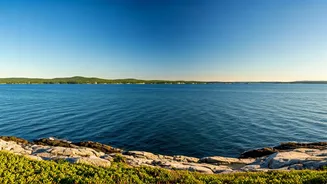
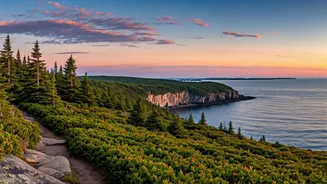
So where are these heat-weary travelers going? The destinations are a roll call of America’s northern gems. The Great Lakes region, long a beloved local getaway, is now drawing visitors from hundreds of miles away. Michigan’s Upper Peninsula, with its pristine Lake Superior shoreline and dense forests, offers a dramatic contrast to the parched landscapes of the Southwest. Minnesota’s North Shore, stretching from Duluth to the Canadian border, provides dramatic cliffs, cool hiking trails, and a reliable escape from oppressive humidity. Further east, the mountains of Vermont and the rocky coast of Maine are becoming prime summer sanctuaries. What these places share is a climate that allows for outdoor activity—hiking, kayaking, or simply sitting on a porch—without the threat of heat exhaustion. For a family from Phoenix or Austin, a 75-degree day in July feels like a miracle, and they’re willing to drive for days to experience it.
More Than Just the Weather
While extreme heat is the primary motivator, other cultural and economic shifts are making this trend possible. The post-pandemic normalization of remote work has untethered millions of workers from their desks, allowing for extended “work-cations” that can last for weeks or even a full month. A family can relocate to a cabin in Wisconsin for July without missing a beat professionally. Furthermore, the explosion in RV and campervan sales over the past few years means more Americans have the means for self-contained, long-distance travel. An RV is a personal, air-conditioned bubble on wheels, making the journey part of the adventure. This convergence of climate pressure, workplace flexibility, and accessible travel infrastructure has created the perfect conditions for a seasonal, northward shift.
A New Kind of Seasonal Migration
This movement is beginning to look like a reverse of the traditional “snowbird” phenomenon, where retirees from the north flock south for the winter. Now, we’re seeing the rise of the “sunbird”—working-age individuals and families escaping the south’s summer peak. This influx is a welcome economic boon for many small, northern towns that have historically relied on a more localized tourist season. Restaurants are fuller, shops are busier, and campgrounds are booked solid. However, it also presents challenges, including potential strain on housing, water resources, and local infrastructure unaccustomed to such a surge. As this trend solidifies, these communities will have to adapt to their new role as climate refuges, balancing economic opportunity with sustainable growth.