





1. Master the 'Pay in Local Currency' Rule
You’ll see it everywhere from souvenir shops to restaurants: a card machine asks if you want to pay in U.S. dollars or the local currency (e.g., euros, pounds, baht). It seems helpful to see the cost in USD, but this is a classic trap called Dynamic Currency
Conversion (DCC). By choosing dollars, you're letting the merchant's bank do the conversion for you—at a terrible exchange rate and often with an extra fee baked in. The single most important rule of spending money abroad is to *always* choose to pay in the local currency. Let your own bank or credit card company handle the conversion. They almost always offer a much more favorable rate, saving you anywhere from 3% to 10% on every single transaction.
2. Choose Your Plastic Wisely
Before you pack your wallet, review your cards. Many U.S. bank-issued debit and credit cards charge a foreign transaction fee, typically around 3% of every purchase. If your budget is $2,000 for a trip, that’s $60 handed over to the bank for nothing. The fix is to get a card with no foreign transaction fees. Many travel-focused credit cards from major issuers like Capital One, Chase, and Discover offer this perk. For cash withdrawals, look for a debit card that either waives these fees or, even better, reimburses you for ATM fees charged by other banks. Charles Schwab's Investor Checking account is famous among travelers for this feature. A quick call to your bank or a search on their website will tell you their policy.
3. Embrace the Multi-Currency Account
For longer trips, studying abroad, or frequent travel, consider opening a modern multi-currency account with a service like Wise (formerly TransferWise) or Revolut. These fintech companies are built for a globalized world. You can load U.S. dollars onto your account and convert them to dozens of other currencies at the real, mid-market exchange rate for a very small, transparent fee. They then issue you a debit card that lets you spend that local currency directly, completely bypassing the conversion issue at the point of sale. It’s like having a local bank account in every country you visit, all managed from a single app on your phone.
4. Get Smart About Getting Cash
While cards are king, you'll inevitably need some cash for smaller vendors, tips, or public transport. Avoid currency exchange counters, especially those at airports, which are notorious for offering the worst rates. The best way to get cash is to use your low-fee debit card at a local bank's ATM upon arrival. Withdraw larger sums of money less frequently to minimize fixed ATM fees. And always decline the ATM's offer to convert the currency for you—just like with DCC at a store, it's a bad deal. Let your home bank do the math.
5. Use an App to Track Your Real Spend
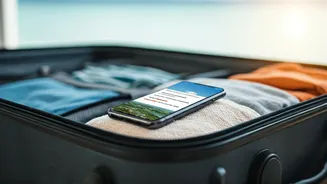
It's easy to lose track of your budget when you’re mentally converting every purchase from a foreign currency. A simple optimization is to use a budgeting app that handles multiple currencies. Apps like Trail Wallet or Trabee Pocket are designed specifically for travelers, allowing you to set a daily budget in USD and log expenses in the local currency. The app does the conversion for you, showing you exactly how much of your overall budget you're using in real-time. This prevents the dreaded end-of-trip surprise when you realize your 500-peso splurges were more expensive than you thought.