

The Rise of the 'Gram Trap
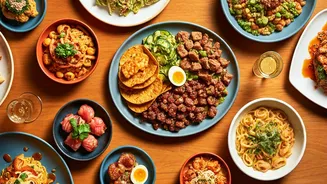
Remember the late 2010s? It felt like every new restaurant opening was an exercise in set design. The formula was simple: a catchy neon sign with a vaguely inspirational phrase, a wall covered in faux flowers, and a menu of photogenic, often brightly
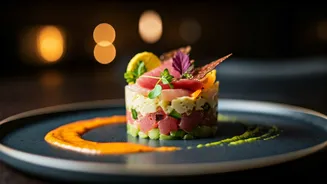
colored, dishes. These were the 'Instagram traps'—places engineered less for the palate and more for the phone camera. The goal wasn't to create a loyal local following but to generate a viral buzz, drawing in tourists and influencers willing to wait in line for the perfect shot. The food, however, was frequently an afterthought. A $22 avocado toast might look stunning with its artful smear and edible flowers, but the taste was often bland, the bread unremarkable. Diners were paying a premium for aesthetics, and for a while, it worked. A restaurant's success was measured in tags and geotags, not in rave reviews about its culinary execution.
The Backlash of Bad Bites
The novelty, like a lukewarm cocktail, eventually wore off. Diners started noticing a pattern: the more a restaurant screamed 'take my picture,' the less likely the food was to be memorable. The very platform that built these establishments—social media—became the instrument of their critique. While Instagram was for glossy perfection, platforms like TikTok, Reddit, and Yelp became hubs for brutal honesty. Viral videos emerged not to praise the decor, but to pan the overpriced, mediocre food. The term 'Instagram trap' went from an inside joke to a common warning. Consumers, facing rising costs of living, grew less tolerant of spending $100 on a dinner that offered little more than a nice backdrop for a selfie. The experience felt hollow. A beautiful room can get you in the door once, but only a great meal can make you a regular.
Substance Makes a Comeback
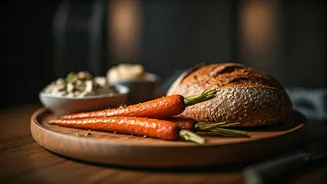
In response, a new philosophy is taking hold. The industry is realizing that aesthetics and culinary excellence are not mutually exclusive—in fact, they are most powerful when they work together. This isn't about returning to stuffy, undecorated dining rooms. Instead, it's about 'purposeful design,' where the look of a restaurant enhances the story of its food. An open kitchen, for example, isn't just a design choice; it's a statement of transparency and confidence in the craft. A minimalist interior with locally made ceramics might signal a focus on farm-to-table ingredients. Instead of a generic flower wall, a restaurant might feature a living herb garden that supplies its bar and kitchen. The 'look' is no longer a superficial layer but an authentic expression of the restaurant's identity. The beauty comes from the craft, the ingredients, and the thoughtful atmosphere, not from a manufactured photo op.
Why Now? The Post-Pandemic Palate
The pandemic served as a major reset button for American diners. After months of home cooking and takeout, going out to eat became a more intentional act. People craved genuine connection, comfort, and high-quality experiences—not just fleeting digital content. The desire for authenticity skyrocketed. Simultaneously, economic pressures made diners more discerning. With inflation pinching wallets, spending money on a meal that doesn't deliver feels more wasteful than ever. The value proposition has shifted. A memorable, delicious meal is an experience worth paying for; a bland one in a pretty room is not. This has forced restaurant owners and chefs to re-center their focus on the fundamentals: excellent ingredients, skilled preparation, and warm hospitality. They've learned that sustainable success is built on flavor, not just filters.
The New Blueprint for Success
The restaurants winning today are those that master this new balance. They are often chef-driven, with a clear point of view that permeates everything from the menu to the music. Their dining rooms are beautiful, certainly, but in a way that feels personal and timeless, not trendy and disposable. Think warm lighting that makes both the food and the diners look good, comfortable seating that encourages you to linger, and decor that reflects the region or the chef's heritage. The 'wow' moment isn't a selfie station by the door; it's the first bite of a perfectly cooked dish. These are the places you recommend to friends with enthusiasm, not just because it will look good on their feed, but because you know they will have an unforgettable meal. The design serves the experience, not the other way around.