






The Drainage Dividend
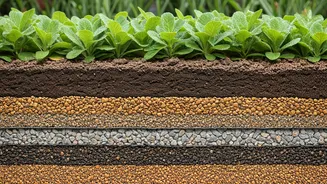
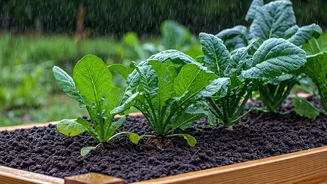
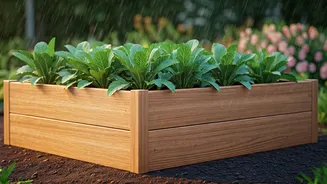
The headline claim hangs on one simple, powerful principle: gravity. A raised bed is, at its core, a container without a bottom, placed on top of the ground. When a sudden downpour hits, the water doesn't just sit there, turning your carefully tilled
soil into a muddy bog. Instead, it drains down and out. In a traditional in-ground garden, especially one with heavy clay soil, water can get trapped, creating a 'bathtub effect' that suffocates plant roots. Oxygen is just as important to roots as water, and waterlogged soil has none. Your plants essentially drown. A raised bed elevates the root zone above the surrounding grade. This elevation ensures that excess water always has an escape route, percolating down through the loose soil you’ve filled the bed with and away from delicate roots. It’s insurance against root rot, fungal diseases, and the sheer despair of watching your tomato plants yellow after a week of relentless spring showers.
Insurance Against Bad Soil
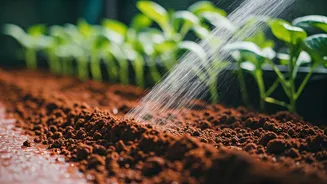
The 'insurance' policy extends far beyond just rain. Think of a raised bed as a fresh start—a blank canvas for your garden. Many of us are cursed with less-than-ideal native soil. It might be rocky, sandy, nutrient-poor, or compacted clay that’s better suited for making pottery than growing carrots. Amending an entire in-ground garden plot is a back-breaking, multi-year project. With a raised bed, you bypass the problem entirely. You are not fixing bad soil; you are replacing it. You get to play soil scientist and create the perfect growing medium from scratch. A custom blend of compost, topsoil, and amendments like peat moss or vermiculite creates a fluffy, nutrient-rich environment that plants adore. This is insurance against years of frustration, wasted fertilizer, and the disappointment of stunted vegetables that can’t push their roots through unforgiving ground.
Protection from Compaction
Every time you step into a traditional garden to weed, water, or harvest, you are compacting the soil. Your body weight squeezes soil particles together, pushing out the air pockets that roots need to breathe and grow. Over a season, this creates hardened pathways and stressed-out plants. Raised beds solve this by design. They create a clear, physical boundary between where you walk and where your plants grow. The soil inside the bed is never stepped on. It remains light, airy, and friable all season long. This is insurance against the slow, invisible damage of soil compaction. The result is healthier root systems, better water absorption (during dry spells), and plants that can devote their energy to producing leaves, flowers, and fruit instead of fighting to penetrate compacted earth.
A Head Start on the Season
For gardeners in much of the U.S., the growing season feels like a race against time. A late frost or an early freeze can bookend the season with disappointment. Raised beds offer a crucial advantage: they warm up faster in the spring. Because the soil is elevated above the cold, dense ground, it catches more of the sun's rays from the sides as well as the top. And since the soil inside is looser and better-draining, it doesn't hold onto cold water like saturated ground soil. This means the soil temperature rises more quickly, allowing you to plant earlier without fear of shocking your tender seedlings. In the fall, the same principle can give you a few extra weeks before the first hard frost penetrates the bed. This is insurance against a short growing season, giving you a bigger, better harvest window.