
Beyond the Familiar Favorites
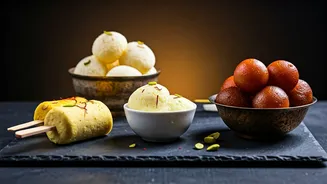
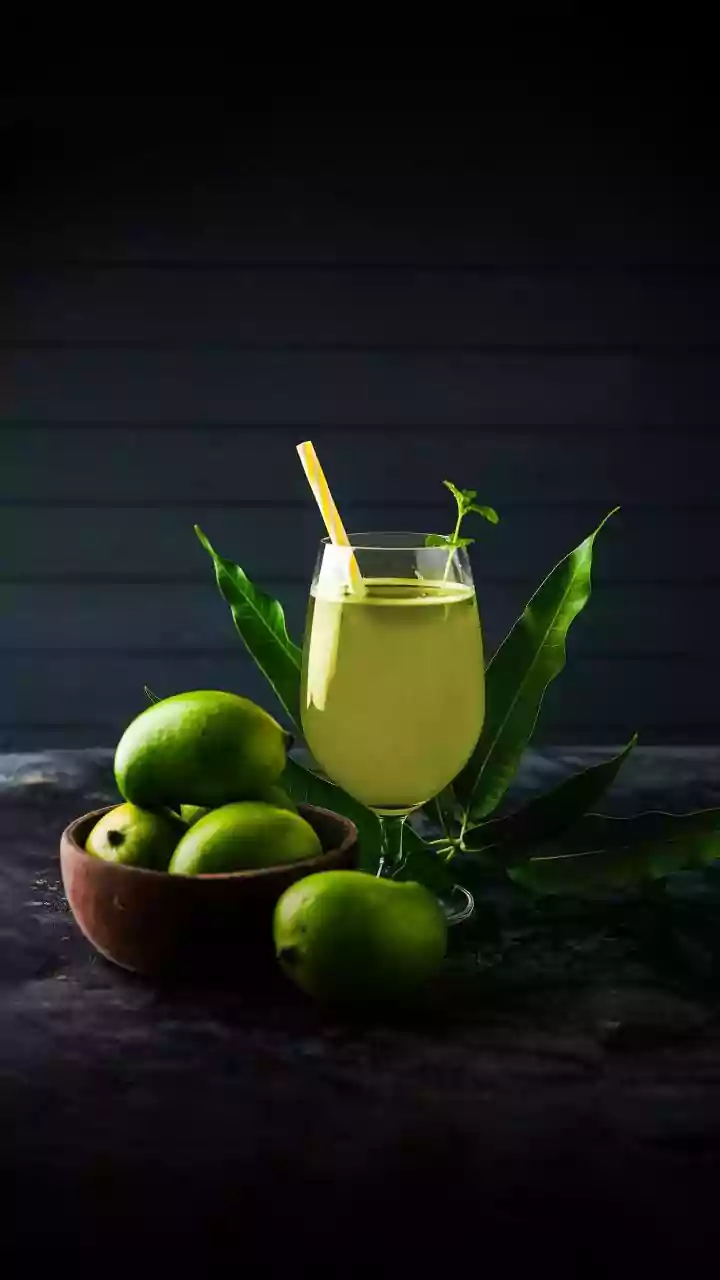
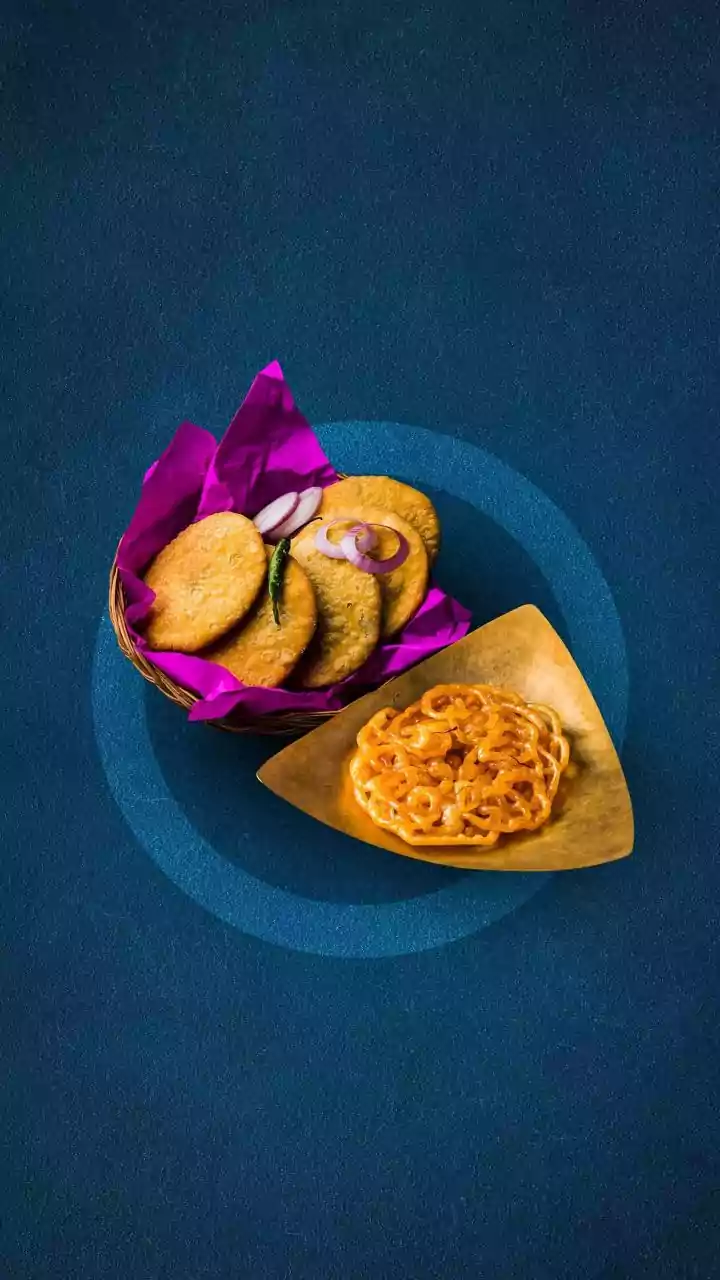
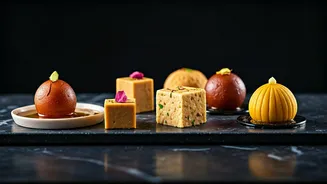
For years, the American introduction to Indian sweets was a delightful but limited affair. Maybe it was a creamy mango lassi alongside a spicy curry, a dish of kheer (rice pudding) at a buffet, or a box of festive mithai gifted by a friend. These were
delicious, but they often stayed within the confines of the traditional Indian restaurant experience. They were supporting characters in the grand drama of American dining. Not anymore. Now, those same flavors—and many more—are breaking free. They are showing up in croissants, infusing into craft ice cream, and getting baked into brownies. We're not just talking about fusion; we're talking about a fundamental shift where these flavors are treated not as an 'exotic' twist but as a foundational part of the pastry chef's toolkit, as essential as chocolate or vanilla.
The New Dessert Spice Cabinet
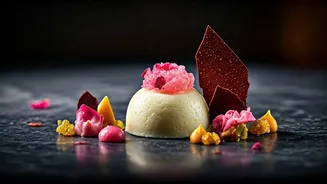
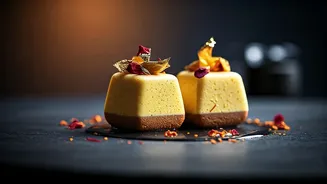
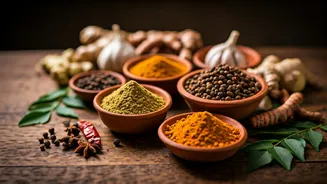
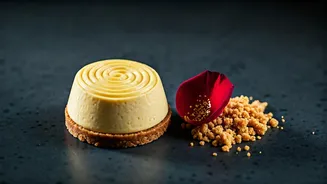
At the heart of this movement is a spice rack that goes far beyond cinnamon and nutmeg. Cardamom is the undisputed star, its floral, warm-spicy notes appearing in everything from morning buns at trendy cafes to snickerdoodles with a sophisticated edge. It offers a complexity that feels both new and ancient. Then there’s saffron, the prized golden threads lending their unique honeyed, earthy aroma and vibrant color to cheesecakes, panna cottas, and even cocktails. Rosewater, once relegated to niche Middle Eastern pastries, now gives a delicate, floral lift to macarons and layer cakes. Jaggery, an unrefined cane sugar with a rich, molasses-like depth, is being used to create caramels and sweeten brownies, offering a more nuanced sweetness than its processed counterparts. These ingredients, along with pistachio, ginger, and turmeric, are forming a new vocabulary for American dessert.
From Fusion to Foundation
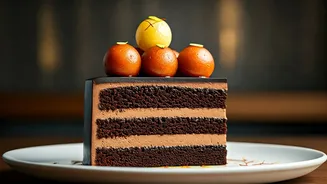
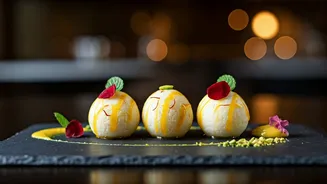
So, why now? The trend is being driven by a new generation of chefs and bakers, many of whom are second-generation immigrants from South Asian diasporas. They grew up with these flavors in their homes and are now claiming their culinary heritage with confidence and creativity. For them, it’s not about 'elevating' their culture's food for a Western palate; it’s about celebrating it on its own terms. Chefs like Hetal Vasavada, author of the cookbook *Milk & Cardamom*, have built entire platforms on the idea that these flavors belong in everyday American baking. Social media has played a huge role, too. A stunning gulab jamun-inspired cupcake or a glistening saffron-pistachio ice cream is undeniably photogenic, spreading the trend from a single bakery in Brooklyn or Los Angeles to phone screens across the country. This visibility normalizes the flavors, sparking curiosity and demand.
Where to Find the Flavor
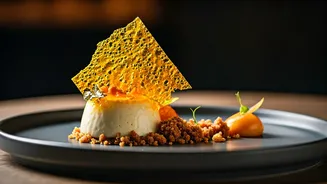
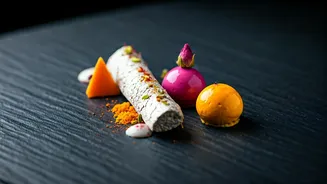
This isn't some abstract culinary-school exercise; it’s happening on menus you can taste today. Look for cardamom-laced cold brew at your local coffee shop. You might find a pint of rose and cinnamon-roasted almond ice cream in the freezer aisle. Bakeries are offering chai-spiced donuts and shortbread cookies infused with toasted cumin and jaggery. Even fine dining restaurants are ending meals with inventive desserts like turmeric-poached pear with ginger crumble or saffron-and-cardamom crème brûlée. The beauty of this trend is its versatility. These flavors can be bold and assertive or subtle and complementary, working just as well in a rustic, home-style cookie as they do in a meticulously constructed plated dessert. They are proving that they have the range to be more than just a passing fad.