



From Diet Culture to Food Culture
For decades, the dominant narrative around food was about restriction: low-fat, low-carb, low-calorie. But a major cultural shift is underway. We're moving away from the guilt-ridden cycles of diet culture and embracing a more holistic view of nourishment.
The new question isn't, "Will this make me thin?" but rather, "Will this make me feel good?" This trend, sometimes called "mood food" or "psychonutrition," is about intentionally choosing foods that can positively influence our mental and emotional state. It’s a response to a world of burnout and high stress, where people are seeking practical, everyday ways to manage their well-being. Social media is filled with discussions of "brain food," and grocery store aisles are increasingly stocked with products boasting benefits like "focus" or "calm." It marks a powerful return to an ancient idea—that what we eat profoundly affects how we feel—but this time, it's backed by modern science.
The Gut-Brain Connection, Simplified
The scientific engine driving this trend is the gut-brain axis. Think of it as a super-highway of communication between your digestive system and your brain. Your gut is home to trillions of microorganisms, collectively known as your microbiome. These tiny residents do more than just digest food; they help produce neurotransmitters like serotonin and dopamine, chemicals that are crucial for regulating mood, happiness, and anxiety.
In fact, an estimated 95% of your body's serotonin, the "feel-good" chemical, is produced in the gut. When your gut microbiome is out of balance, it can disrupt this production line, potentially affecting your mental state. An unhealthy gut has been linked to higher rates of anxiety and depression. The takeaway is simple and empowering: by feeding your gut the right stuff, you are directly supporting the biological machinery that helps keep your mood stable and bright.
Probiotic Powerhouses
If you want to support your gut microbiome, fermented foods are your best friends. These foods are rich in probiotics, which are live, beneficial bacteria that help fortify your gut lining and balance your internal ecosystem. A healthy gut is a happy gut, which in turn supports a happy brain.
Look for foods like plain yogurt with live cultures, kefir (a fermented milk drink), kimchi (spicy fermented cabbage), sauerkraut (choose the refrigerated, unpasteurized kind), miso, and kombucha. Incorporating even a small serving of these foods daily can help cultivate a more diverse and resilient gut microbiome, laying the foundation for better mood regulation.
Brain-Boosting Omega-3s
Omega-3 fatty acids are a type of polyunsaturated fat that are essential for brain health. Your brain is nearly 60% fat, and it relies on a steady supply of these good fats to build cell membranes and facilitate communication between brain cells. Studies have suggested a link between adequate omega-3 intake and a lower risk of depression, as these fats have anti-inflammatory properties that can protect the brain.
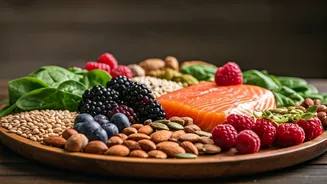
Fatty fish like salmon, mackerel, herring, and sardines are premier sources. If you're not a fish eater, you can find plant-based omega-3s in flaxseeds, chia seeds, and walnuts. Adding a sprinkle of ground flax to your oatmeal or a handful of walnuts to your salad is an easy way to get a dose of these crucial brain-building nutrients.
The Magic of Magnesium
Often called the "relaxation mineral," magnesium plays a key role in the body's stress-response system. It helps regulate the hormone cortisol and promotes a sense of calm by interacting with GABA receptors in the brain, which are responsible for quieting down nerve activity. When you're stressed, your body uses up magnesium more quickly, making it even more important to replenish.
Fortunately, it's found in some of the most satisfying foods. Dark chocolate (70% cacao or higher) is a fantastic source, as are avocados, nuts (especially almonds and cashews), legumes, and leafy green vegetables like spinach. Think of a spinach salad topped with avocado and almonds—it's practically a plateful of calm.
Complex Carbs for Stable Moods
Carbohydrates often get a bad rap, but the right kind can be excellent for your mood. Complex carbohydrates, which are rich in fiber, are broken down slowly by your body. This provides a steady release of glucose into your bloodstream, giving you sustained energy and preventing the dreaded blood sugar spikes and crashes associated with sugary snacks and refined carbs. A stable blood sugar level is directly linked to a more stable mood.
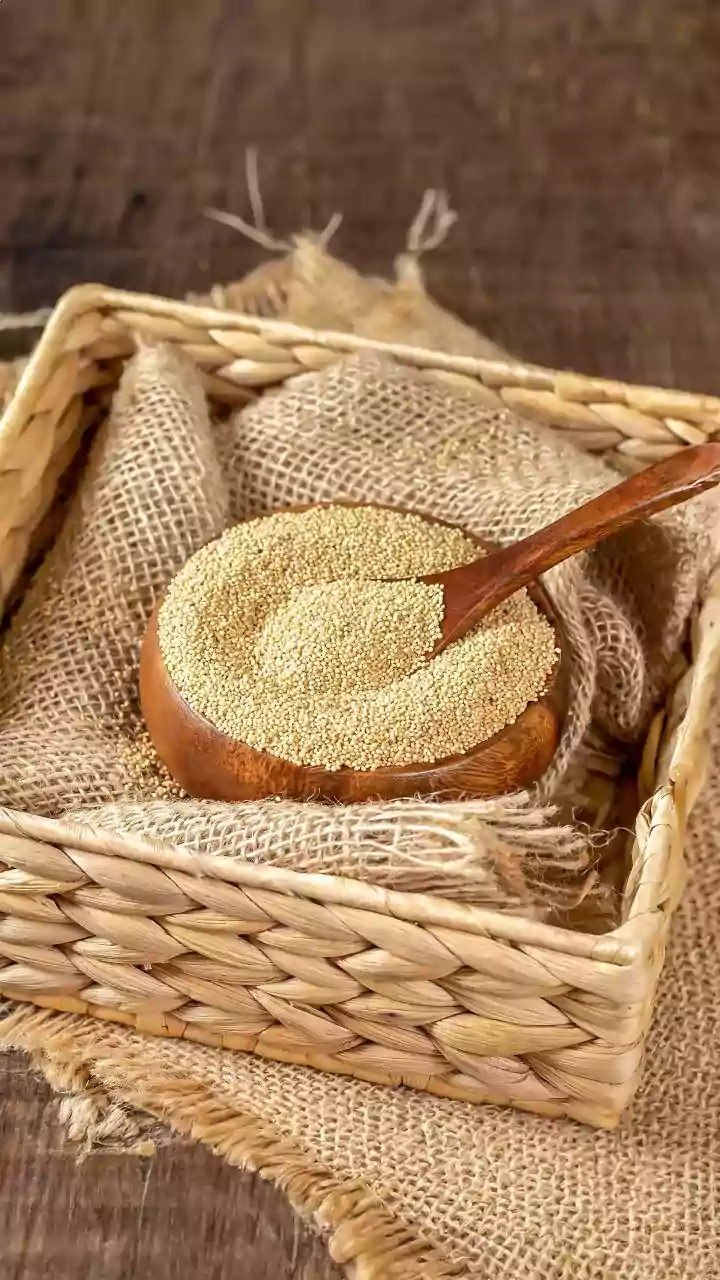
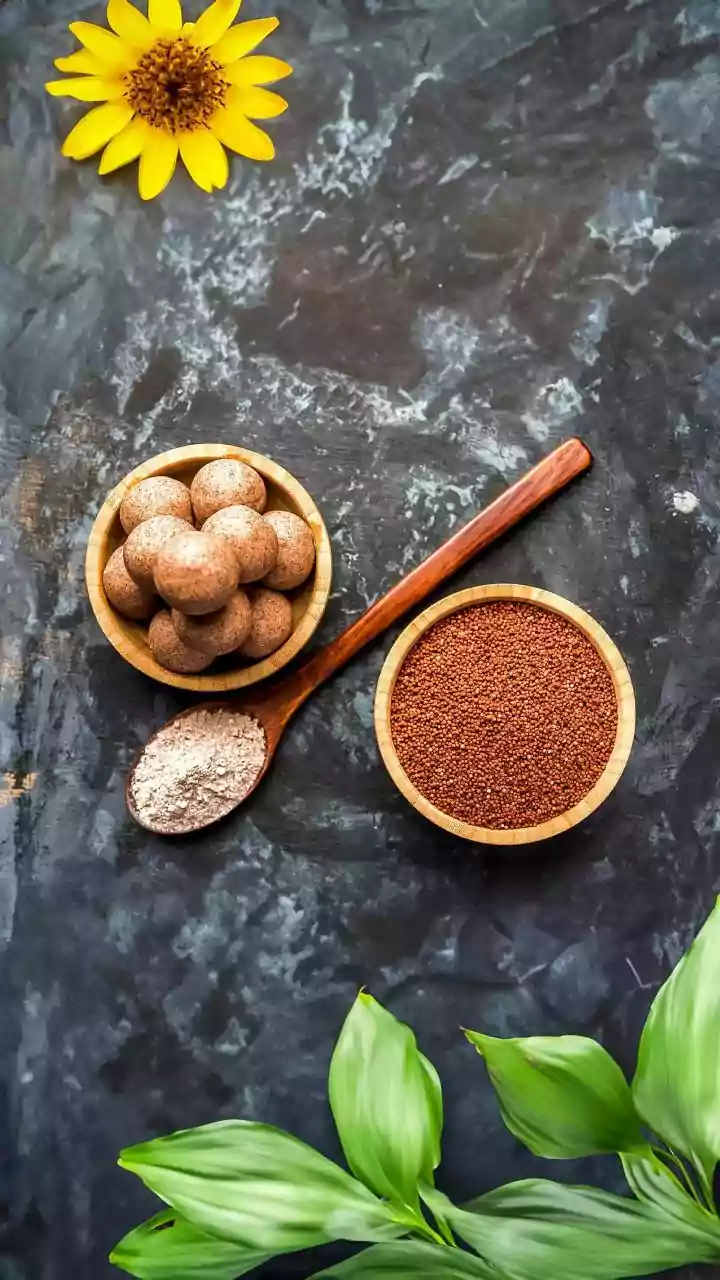
Opt for sources like oats, quinoa, brown rice, sweet potatoes, and whole-wheat bread. These foods not only provide lasting energy but also feed your beneficial gut bacteria, contributing to that all-important gut-brain connection.