





First, What Is Tempeh?
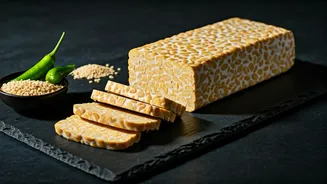
Let’s get the basics out of the way. If you’ve dabbled in plant-based eating, you’ve likely met tofu. Tempeh is its heartier, more interesting cousin. Originating in Indonesia centuries ago, tempeh is made from whole soybeans that are cooked, lightly
fermented with a specific culture (Rhizopus oligosporus), and pressed into a firm, sliceable cake. Unlike tofu, which is made from soy milk, tempeh uses the whole bean. This gives it a completely different character: it’s firm, chewy, and has a slightly nutty, mushroom-like flavor. The fermentation process not only binds the soybeans together but also makes them easier to digest and unlocks more of their nutritional benefits. Think of it as the sourdough of the soy world—a product of natural transformation that’s both rustic and complex.
The Modern Wellness Pitch
So why is tempeh suddenly a 'wellness' darling? The answer lies in its impressive nutritional stats, which read like a checklist for the modern health-conscious consumer. First and foremost, it’s a protein powerhouse. A single serving can pack as much protein as a piece of chicken, making it a fantastic alternative for vegetarians, vegans, and anyone looking to reduce their meat intake. But the benefits don’t stop there. Because it’s made from whole soybeans, tempeh is loaded with dietary fiber, which is great for digestion and keeping you full. The fermentation process also makes it a source of prebiotics and probiotics, contributing to a healthy gut microbiome—another major focus of today’s wellness conversation. It’s low in carbs, cholesterol-free, and packed with minerals like iron and calcium. In short, it hits all the right notes for a generation that scrutinizes labels and prioritizes nutrient density.
Why India? And Why Now?
While tempeh has been a niche health food store item in the U.S. for decades, its arrival in the Indian mainstream is a recent phenomenon driven by a perfect storm of cultural and economic shifts. India has a long and rich history of vegetarianism, but traditional diets often rely heavily on dairy (paneer) and lentils for protein. As a growing urban, affluent class becomes more focused on fitness, global food trends, and plant-based lifestyles, a gap has emerged for a versatile, high-protein, non-dairy option. Startups across the country, like Bengaluru-based Hello Tempayy, have seized this opportunity. They aren't just importing a foreign product; they're creating versions of tempeh that are fresh, unpasteurized, and designed to appeal to the Indian palate. They’re marketing it not as a strange, foreign health food, but as a modern, convenient solution for the everyday Indian kitchen.
The Indian-Style Tempeh Bowl
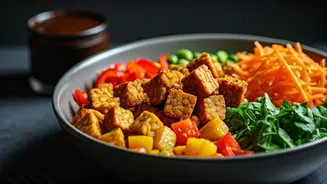
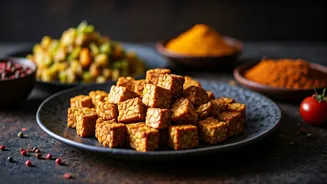
This isn't about slapping plain tempeh on a bed of quinoa. The genius of its budding popularity in India is its seamless integration into beloved local dishes. Forget bland steamed blocks; we’re talking about tempeh bhurji (a spicy scramble that traditionally uses eggs or paneer), tempeh tikka masala, and even tempeh biryani. Because of its firm texture, tempeh is incredibly versatile. It can be crumbled, cubed, or cut into cutlets. It absorbs marinades beautifully, making it a perfect vehicle for the bold spices of Indian cooking. A 'tempeh bowl' in this context might feature cubes of pan-fried, spiced tempeh alongside roasted vegetables and a whole grain, or it could be a deconstructed curry bowl with tempeh as the star protein. This adaptability is key. It allows people to enjoy a new, healthy ingredient without straying too far from the flavors they know and love.