


The Backlash Against Perfection
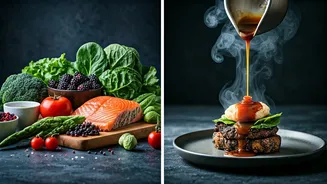
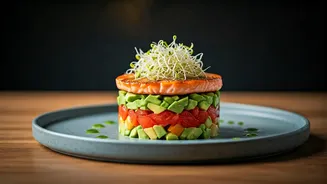
Remember the 2010s? It was the era of the perfectly filtered, impossibly pristine Instagram feed. Food was no exception. Every avocado toast had to be a work of art, every smoothie bowl a meticulously arranged mandala of superfoods. The pressure was immense:
to cook, style, photograph, and post a life that was often far from reality. This curated perfection, however, has a cost—it’s exhausting. The new wave of simple food content is a direct response to that burnout. It’s a collective exhale, a move away from performative domesticity and toward something more honest. Creators and everyday users alike are finding relief and connection in showing what they *actually* eat, rather than what they think will garner the most aspirational likes.
From #FoodPorn to 'Girl Dinner'
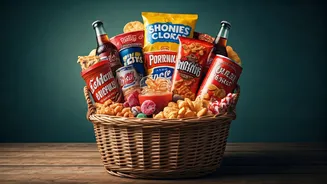
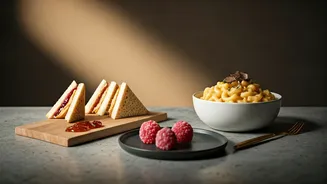
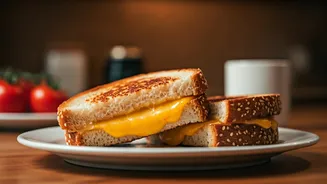
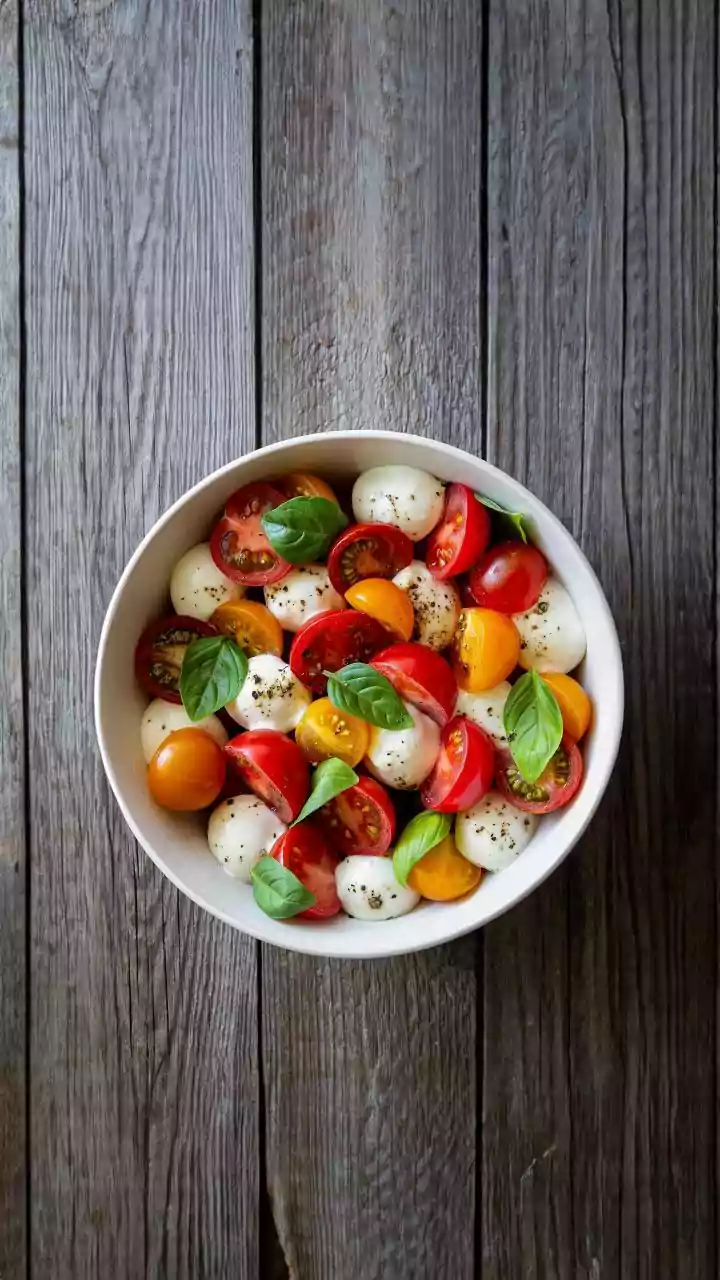
The shift is perhaps best encapsulated by viral trends like "girl dinner." This TikTok phenomenon celebrated the slightly chaotic, no-cook assembly of snacks—a bit of cheese, some crackers, a handful of grapes, maybe a pickle—that constitutes a real meal for many. It was praised for its honesty and derided by some for its lack of culinary effort, but it struck a chord precisely because it was relatable. This isn't about glorifying laziness; it's about validating reality. The aesthetic isn't one of sloppy presentation but of unpretentious assembly. It's the digital equivalent of admitting you're having a bowl of cereal for dinner, but framing it as a valid, even chic, choice. It’s a world away from the multi-step, perfectly plated recipes that once dominated our screens.
The High Cost of Complication
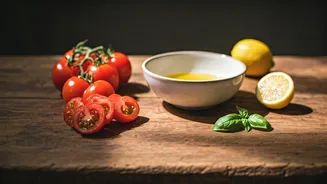
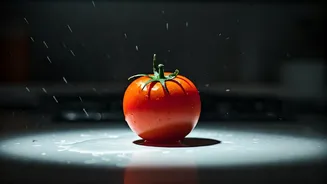
There are practical forces driving this trend, too. With grocery prices soaring and schedules packed tighter than ever, elaborate meals are a luxury many can't afford in terms of time or money. A recipe with 20 ingredients, three of which are obscure and expensive, feels out of touch in the current economic climate. Simple plates reflect a broader societal pivot toward pragmatism. A single, perfectly ripe tomato drizzled with good olive oil and flaky salt is not just aesthetically pleasing; it's accessible. It aligns with a growing wellness movement that prioritizes whole, unprocessed foods over complex concoctions. In this context, simplicity isn't a compromise; it’s the entire point. It signals a savvy, resourceful approach to eating well without breaking the bank or spending hours in the kitchen.
A New Visual Language
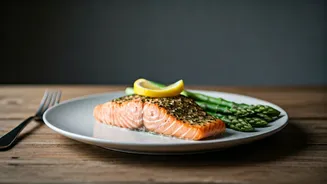
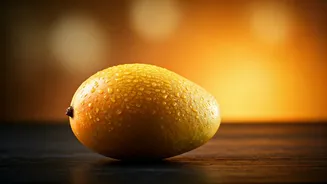
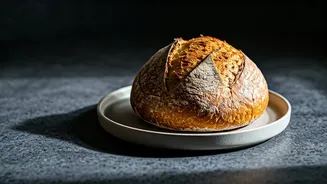
Don't mistake 'simple' for 'ugly.' This new aesthetic has its own visual rules, swapping intricate plating for a focus on quality and texture. The new social-media-friendly food photography celebrates the inherent beauty of the ingredients themselves. Think of a close-up on the glistening yolk of a fried egg, the craggy crust of fresh bread, or the vibrant color of a single blood orange slice. The lighting is often natural, the plates are unfussy, and the focus is tight. It’s a form of food minimalism that says, 'This ingredient is so good, it doesn’t need anything else.' This approach is arguably more challenging, as it relies on the quality of the food rather than the cleverness of the styling. It’s a confidence that doesn't need to shout, and it’s resonating deeply with an audience tired of digital noise.