



Mount Rainier National Park, Washington
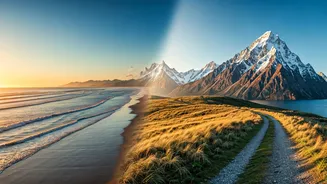
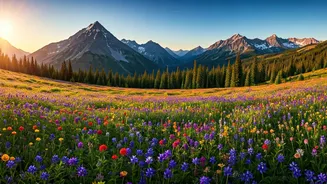
When it comes to wildflower spectacles, few places rival the aptly named Paradise area on the southern slope of Mount Rainier. From late July through August, its subalpine meadows explode into a painter's palette of color. Follow the Skyline Trail and
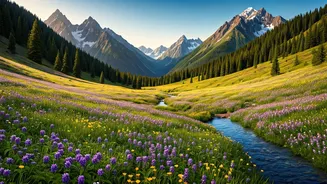
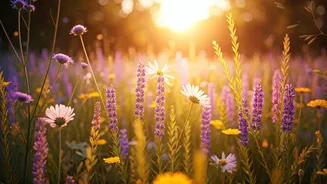
you'll wander through dense fields of purple lupine, scarlet paintbrush, and the delicate, white avalanche lily. The experience is almost psychedelic—a vibrant carpet of blooms set against the staggering backdrop of the glacier-clad volcano. The key is timing; bloom seasons are short and precious at this elevation. Check the park’s live webcams and bloom reports before planning your pilgrimage.
Crested Butte, Colorado
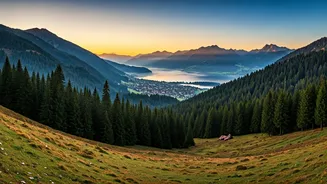
Officially designated the “Wildflower Capital of Colorado,” Crested Butte lives up to the hype. This charming mountain town becomes the epicenter of all things floral each summer, even hosting a week-long Wildflower Festival in July. The surrounding Elk Mountains offer countless trails for every fitness level. For an iconic experience, hike or bike the classic Trail 401, which contours along a high ridge, offering staggering views of the valley below, framed by towering clusters of delphinium, columbine, and sunflowers. The sheer density and variety of flowers here make it a must-visit for anyone looking to understand the magic of an alpine bloom.
Albion Basin, Utah
Just a short drive from Salt Lake City, the Albion Basin at the top of Little Cottonwood Canyon offers one of the most accessible and dazzling wildflower displays in the country. Situated between the Alta and Snowbird ski resorts, the basin becomes a thick blanket of color from mid-July to early August. The Albion Basin Summer Road allows for easy access, but the best way to immerse yourself is by walking the gentle trails that meander through fields packed with Indian paintbrush, Wasatch penstemon, and fireweed. It’s an ideal spot for a family outing or for those who want a world-class floral payoff without a grueling multi-day trek.
Glacier National Park, Montana
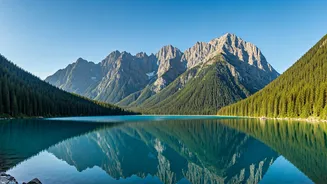
In Glacier, the flowers are part of a grander, almost primal landscape of jagged peaks and pristine lakes. The bloom follows the snowmelt up the mountainsides, starting in the lower valleys in June and reaching the high-altitude passes of Logan Pass and the Going-to-the-Sun Road in late July. Here, you’ll find Beargrass, a plant unique to the region, sending up its tall stalks of creamy white flowers. Look for them alongside glacier lilies, which poke through the last patches of snow, and vibrant magenta moss campion that clings to the rocky terrain. The flowers here feel tougher, more resilient—a perfect match for their dramatic surroundings.
The Wildflower Chaser’s Code
Embracing this travel mood means embracing responsibility. These ecosystems are incredibly fragile. Always follow Leave No Trace principles: stay on designated trails to avoid crushing delicate plants, never pick the flowers, and pack out everything you pack in. Remember that a single footstep off-trail can damage tundra that takes decades to recover. Check local bloom reports, as peak season can shift yearly based on snowfall and spring temperatures. Finally, be prepared for mountain conditions. Weather can change in an instant, and high altitude requires proper hydration and acclimatization. The goal is to admire this fleeting beauty, not to harm it.