
Beyond the Greasy Spoon
For decades, comfort food lived in two distinct zip codes: the cozy, slightly sticky Formica tabletop of a diner, or your own kitchen on a rainy Sunday. It was defined by its simplicity—a gooey grilled cheese, a hearty bowl of mac and cheese, a straightforward
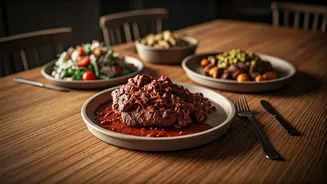
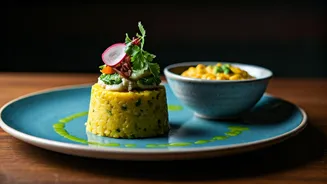
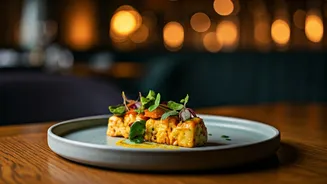
fried chicken. It was dependable, but rarely dazzling. But a seismic shift is happening on American menus. The line between high-brow and low-brow is blurring, giving rise to a new category: elevated comfort food. This isn't about deconstruction or foam. Instead, it's about applying fine-dining technique and top-tier ingredients to the dishes we already love. Imagine a meatloaf made not with ground chuck and ketchup, but with a blend of short rib and brisket, glazed with a red wine and balsamic reduction. Or a tomato soup that’s slow-roasted with San Marzano tomatoes and served with a miniature grilled cheese made with aged Gruyère on artisanal sourdough. This is comfort food that has been to finishing school.
The Chef's New Canvas
So, why is this happening now? Part of the answer lies in the chefs themselves. Many classically trained cooks are stepping away from the high-pressure, financially precarious world of avant-garde fine dining. They’re discovering that there’s immense creative freedom and commercial appeal in perfecting a dish people have an existing emotional connection to. It’s a challenge of a different sort: how do you improve upon a memory? For these chefs, it’s not about reinventing the wheel, but about building a better one. They're sourcing heritage-breed pork for their pulled pork sandwiches, using cultured butter for their biscuits, and perfecting the brine on their fried chicken for 48 hours. This approach allows them to showcase their technical skill in a format that feels generous and welcoming, not intimidating. The result is a restaurant that’s both a neighborhood go-to and a culinary destination, a tricky balance that the smart-casual model achieves beautifully.
Nostalgia, but Make It Better
This trend isn't just about chefs flexing their skills; it’s a direct response to what we, as diners, are craving. In an uncertain world, nostalgia is a powerful force. We want the emotional safety of the foods we grew up with. At the same time, the American palate has become significantly more educated over the past two decades. We know the difference between good and great ingredients. We appreciate balanced flavors and interesting textures. The smart-casual comfort food movement hits this exact sweet spot. It delivers the psychological hug of a familiar dish while satisfying our modern, more sophisticated tastes. We get the soulful warmth of a pot pie, but now the crust is impossibly flaky and the filling is rich with wild mushrooms and tender, slow-braised chicken. It’s the best of both worlds: the feeling of home, but executed with a level of craft you could never quite manage yourself.
What's on the New Menu
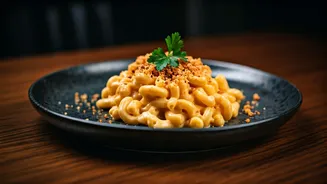
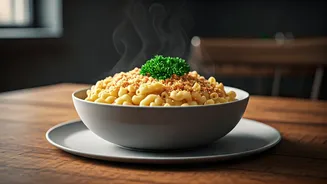
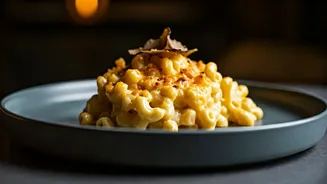
Look around, and you’ll see this smart-casual philosophy everywhere. The smash burger, once a fast-food staple, is now a menu centerpiece at buzzy bistros, featuring custom beef blends, house-made pickles, and potato buns toasted in brown butter. The humble fried chicken sandwich has become a canvas for culinary expression, loaded with complex chili crisps, tangy slaws, and yuzu-spiked aioli. Even side dishes are getting the glow-up. Tater tots are being hand-grated and fried in duck fat. Brussels sprouts, once a national punchline, are now crisped to perfection and tossed in fish sauce vinaigrette. Mac and cheese is a playground for artisan cheesemakers, featuring creamy foundations of Comté, Fontina, and sharp cheddar, topped with herbed panko for a crucial textural crunch. This isn't just a fleeting fad; it’s a redefinition of what a casual meal can and should be.