

The Golden Spice: Turmeric
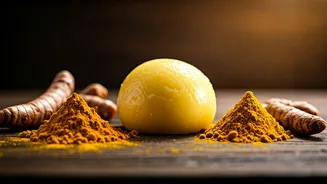
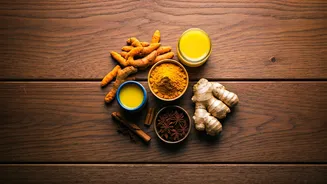
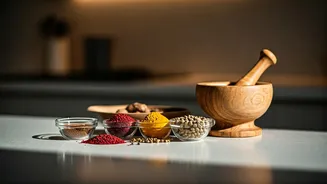
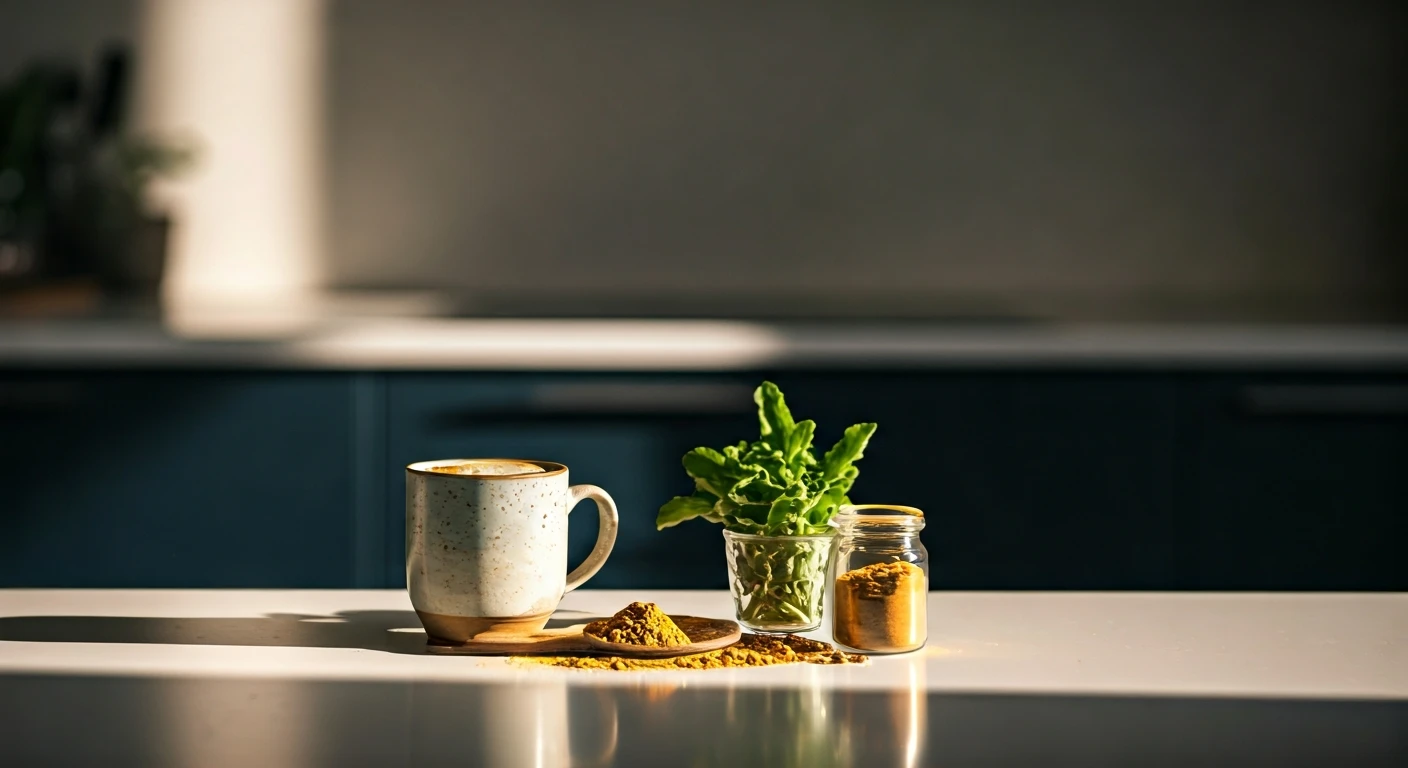
Walk into any trendy café in America, and you’ll likely find a “golden latte” on the menu. That vibrant yellow drink owes its hue to turmeric, a spice now hailed in the West for its anti-inflammatory compound, curcumin. While we’re busy adding it to smoothies
and supplements, in India, turmeric isn’t a fad; it's fundamental. Known as *haldi*, it’s a cornerstone of daily cooking, valued as much for its earthy flavor and brilliant color as its healing properties. It’s the base of countless curries, a preservative for pickles, and even a component of pre-wedding beauty rituals. For centuries, an Indian grandmother’s remedy for a cold or a scrape wasn't a trip to the pharmacy, but a warm glass of turmeric milk (*haldi doodh*) or a dab of turmeric paste. The West may have branded it a “superfood,” but in India, it's just food.
Beyond Butter: The Ghee Glow-Up
For years, American diet culture villainized fat, pushing low-fat everything. Now, the pendulum has swung back, and healthy fats are in. Enter ghee. This nutty, fragrant clarified butter has become a darling of Paleo, Keto, and Whole30 enthusiasts for its high smoke point and lactose-free properties. But long before it was sold in pricey jars at Whole Foods, ghee was, and is, a sacred and essential fat in Indian households. In Ayurveda, India’s ancient system of medicine, ghee is prized for its ability to aid digestion, nourish the body, and even carry the medicinal properties of herbs deeper into the tissues. It's used not just for frying and sautéing, but as a finishing touch drizzled over dal, rice, and flatbreads to add a rich, inimitable flavor. What the West sees as a premium cooking oil, Indian kitchens have always known as liquid gold.
Fermentation as a Way of Life
The wellness world is obsessed with gut health, and fermented foods like kombucha and kimchi are flying off the shelves. But the art of fermentation isn’t a modern discovery; it’s an ancient preservation technique that Indian kitchens have perfected. Think of the light, fluffy *idlis* (steamed rice cakes) and crispy *dosas* (savory crepes) that are staples of South Indian cuisine. Their distinctive tang and easy digestibility come from a naturally fermented batter of rice and lentils. The process unlocks nutrients and populates the food with beneficial microbes—what we now call probiotics. Beyond the batter, countless Indian pickles (*achaar*) are made through lacto-fermentation, a method of preserving vegetables and fruits with salt and spices that creates a complex, funky, and gut-friendly condiment served with nearly every meal.
The Calm in the Chaos: Ashwagandha
Feeling stressed? There’s an adaptogen for that. Adaptogens are herbs that supposedly help the body resist stressors, and ashwagandha is their undisputed king. Now found in everything from powders and pills to calming chocolates, this ancient herb has gone global. Its roots, however, are deeply embedded in Ayurvedic medicine, where it has been used for millennia as a *Rasayana* (rejuvenator). In India, it wasn't marketed as a trendy stress-buster but prescribed by traditional healers for vitality, strength, and nervous system support. While its commercialization is new, its power was understood for centuries as part of a holistic approach to balancing the body and mind, proving that the search for calm isn’t a new-age quest.
A Plant-Forward Plate, By Default
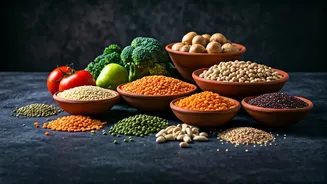
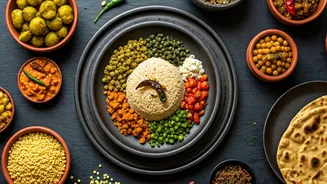
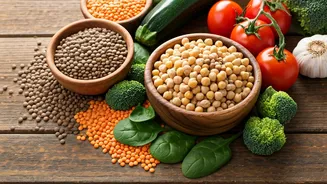
Perhaps the biggest “trend” Indian kitchens have always known is not a single ingredient, but a philosophy: making vegetables the star of the plate. While the U.S. grapples with the concept of “plant-based” eating, a significant portion of India has been vegetarian for generations due to cultural and religious traditions. This has fostered an incredibly sophisticated and diverse vegetable-centric cuisine. Indian cooking doesn't treat vegetables as a sad side dish; it elevates them with complex spice blends and varied techniques. From hearty lentil stews (*dal*) and flavorful chickpea curries (*chana masala*) to spiced potatoes (*aloo gobi*), the cuisine showcases how a plant-forward diet can be deeply satisfying and nourishing. The world is catching on, but Indian kitchens never saw it as a trend—they saw it as dinner.