

1. Adopt the 'One-In, One-Out' Rule
The most effective way to combat clutter is to stop it at the source. The 'one-in, one-out' rule is a simple but powerful habit. Every time you bring a new item into your home—whether it's a piece of clothing, a book, or a kitchen gadget—an old item in the same
category must leave. This forces you to constantly evaluate what you truly need and love. It transforms your apartment from a passive storage unit into a curated collection of useful, meaningful things. This isn't about deprivation; it's about conscious consumption. Before making a new purchase, ask yourself: 'What will this replace?' If the answer is 'nothing,' you may not have the space for it.
2. Demand More from Your Furniture
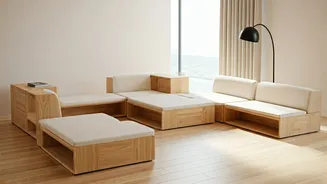
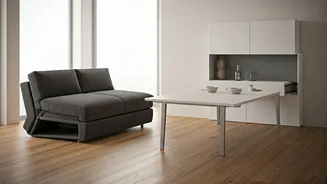
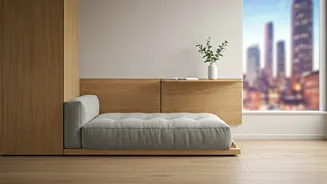
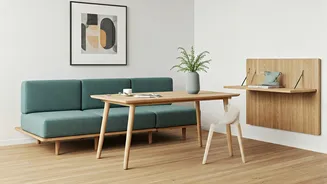
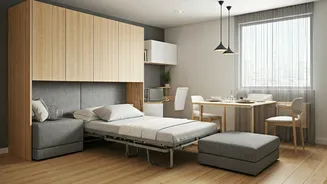
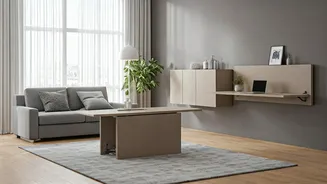
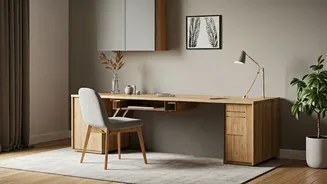
In a small space, every piece of furniture should be a hard worker. Single-use items are a luxury you can't afford. Instead, invest in multi-functional pieces that serve two or even three purposes. Think of an ottoman that opens up for blanket storage, a coffee table with a lift-top that transforms into a dining surface or workstation, or a bed frame with built-in drawers underneath. A narrow console table can serve as an entryway drop-zone, a small desk, or a bar cart. By choosing furniture that pulls double duty, you drastically reduce the number of items you need, freeing up valuable floor space and creating a more open, breathable environment.
3. Think Vertically, Not Just Horizontally
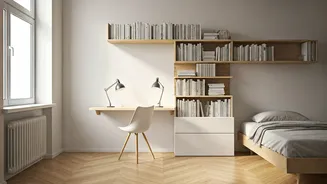
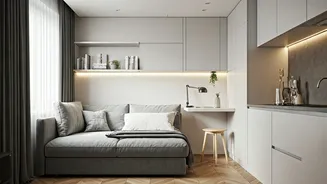
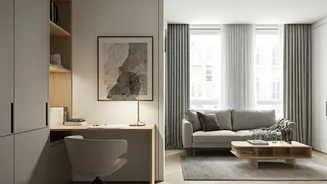
When your floor space is limited, the only way to go is up. Your walls are some of the most underutilized real estate in your apartment. Install tall, narrow bookshelves that draw the eye upward and provide ample storage. Use floating shelves to display decor or hold everyday items without taking up any floor space. In the kitchen, a wall-mounted magnetic knife strip frees up an entire drawer, and a hanging pot rack can clear a whole cabinet. In the closet, add extra hanging rods or shelf dividers to maximize the space from floor to ceiling. Thinking vertically tricks the eye into perceiving the room as larger and more expansive than it actually is.
4. Create Distinct 'Zones' for Living
A studio or one-bedroom apartment can quickly feel like one jumbled room where you work, eat, and sleep. To restore a sense of order and purpose, create distinct functional 'zones.' You don’t need walls to do this. A strategically placed area rug can define a living room area. A tall, open-backed bookshelf can act as a room divider, separating your sleeping space from your work area while still allowing light to pass through. Even a simple change in wall color or a floor lamp can signal a shift from one zone to another. This psychological separation makes the space feel larger and more organized, allowing each part of your home to have a clear and dedicated function.
5. Master the Art of Concealed Storage
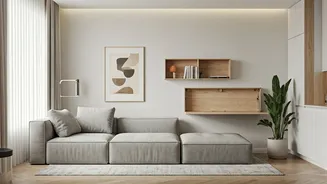
Visual clutter is the enemy of a peaceful small space. While open shelving is great for beautiful, curated items, the reality of life includes things that are necessary but not necessarily attractive—think charging cables, spare batteries, and cleaning supplies. This is where concealed storage becomes your best friend. Use attractive woven baskets, lidded boxes, and decorative bins to hide the mess in plain sight. These can be tucked onto shelves, slid under a console table, or placed in a corner. A storage bench in an entryway can hide shoes, while a stylish credenza can conceal electronics and paperwork. The goal is to keep surfaces clear and create a calm, uncluttered visual line.
6. Use Light and Mirrors to Create Space
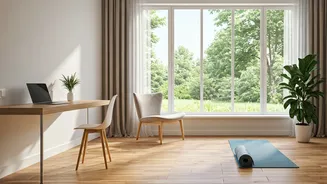
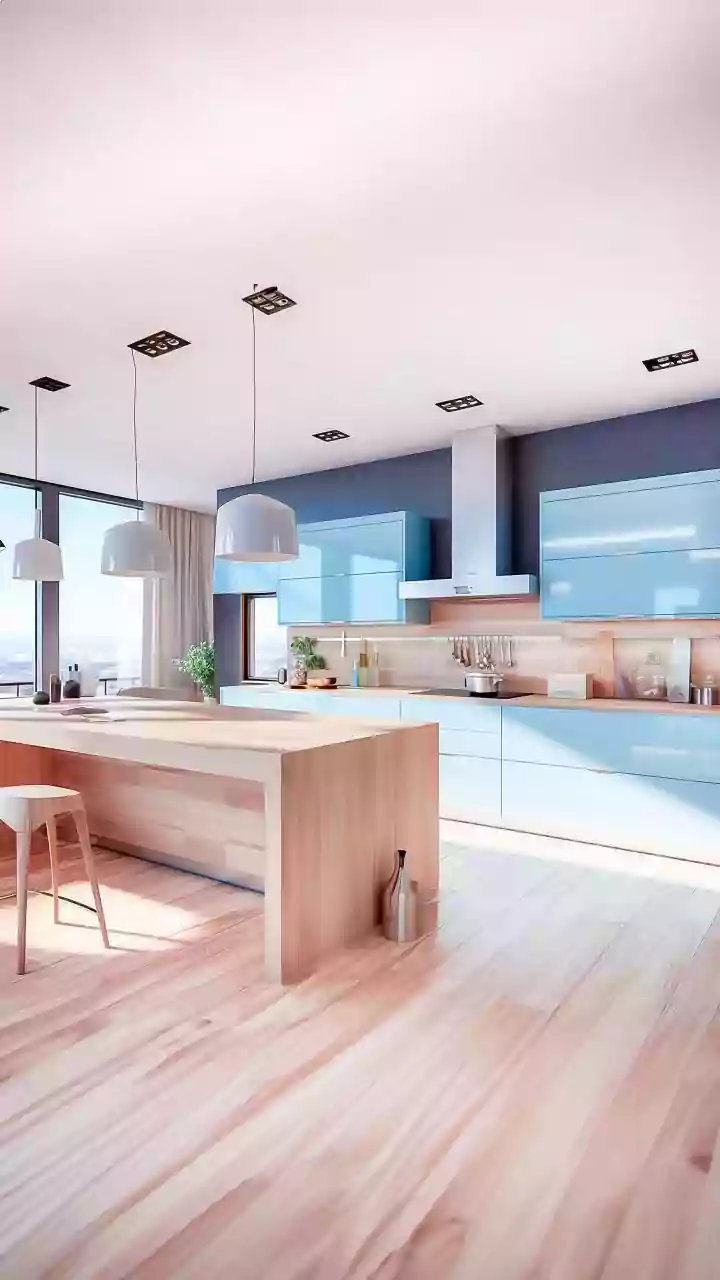
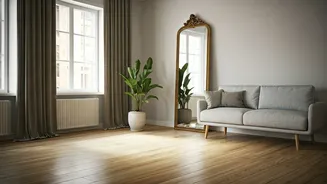
How a space feels is just as important as how it's organized. Light and reflection are classic tools for making a room feel larger and more open. Keep window treatments minimal—think sheer curtains or simple blinds—to let in as much natural light as possible. Place a large mirror directly across from a window to bounce light around the room and create the illusion of depth. A collection of smaller mirrors can also work as a gallery wall to similar effect. When it comes to color, lighter palettes on the walls (whites, soft grays, pale blues) reflect light and make the walls recede. This doesn't mean your apartment has to be sterile; you can add pops of color through pillows, art, and rugs to give it personality.