






The Mighty Monsoon (June–September)
For most of Western and Northern India, the summer monsoon is the defining weather event of the year. From roughly June to September, the subcontinent is drenched by the southwest monsoon. This isn't just a bit of rain; it can be days of torrential downpours,
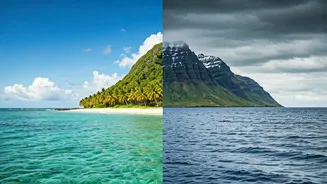
leading to floods, landslides in hilly areas, and intense humidity. For many travelers, this is a time to avoid regions like Mumbai, Goa, and the northern plains. Beach resorts often shut down, and travel logistics can become unpredictable. However, the monsoon also has its magic. It transforms the landscape into a lush, vibrant green. This is a spectacular time to visit the desert state of Rajasthan, where the parched earth comes to life and the crowds are thin. It's also prime season for visiting Ladakh in the Himalayas, as it lies in a rain shadow, offering clear skies while the rest of the country is soaked. If you’re considering a wellness trip, the monsoon is the traditional time for Ayurvedic treatments in Kerala, as the moist, cool air is believed to be ideal for the therapies.
The Golden Window (October–March)
This is, without a doubt, India's peak tourist season—and for good reason. With the monsoon gone, the country settles into a long stretch of pleasant, dry, and sunny weather. From October through March, temperatures are comfortable across the popular tourist circuit of Delhi, Agra, and Rajasthan (the “Golden Triangle”). It’s the perfect time for sightseeing, photography, and exploring ancient forts and palaces without wilting from heat or hiding from rain. This is also the best season for exploring the beaches of Goa and the backwaters of Kerala. The humidity drops, the skies are blue, and the tourist infrastructure is in full swing. The only real downside is that it's the most crowded and expensive time to visit. Flights and hotels should be booked well in advance, especially around major holidays like Christmas, New Year's, and the Holi festival in March. If you want the great weather with slightly fewer people, aim for the shoulder months of October, November, or late February.
The Searing Summer (April–June)
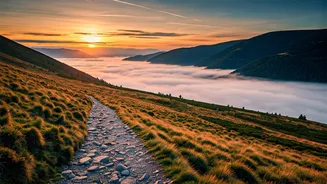
Before the monsoon arrives to cool things down, India experiences an intense and punishing summer. In central and northern India, temperatures regularly soar above 100°F (38°C) and can even approach 120°F (49°C) in desert regions. The heat is dry and oppressive, making midday sightseeing not just uncomfortable but potentially dangerous. For most American visitors, this is the least appealing time to explore cities like Delhi, Jaipur, or Varanasi. So, what's the strategy? Head for the hills. This is the traditional time for Indians to escape to “hill stations” like Shimla, Darjeeling, Mussoorie, and the communities in the Nilgiri Hills of the south. These higher-altitude destinations offer a welcome respite from the plains, with pleasant, spring-like weather. It's the perfect season for trekking, enjoying mountain scenery, and sipping tea while looking out over misty valleys. If you must travel in the plains during summer, plan all activities for the very early morning or after sunset.
Don't Forget Regional Wildcards
India’s size means there are always exceptions to the rules. While the southwest monsoon ends in September, a different weather system—the northeast or “retreating” monsoon—brings rain to the southeastern coast from October to December. This can impact travel in states like Tamil Nadu and parts of Andhra Pradesh, so if you're planning to visit Chennai or Pondicherry, be prepared for rain during what is otherwise a dry time for the rest of the country. Similarly, the Himalayas have their own distinct rhythm. While beautiful in the summer, high-altitude passes can be snowed-in and inaccessible from late autumn through spring. A winter trip to the mountains is for skiing and snow-seekers, not for road-tripping through the high passes. Always check regional specifics before locking in your plans, as a weather strategy for Goa is entirely different from one for Sikkim.