

First, What Exactly Is Terrazzo?
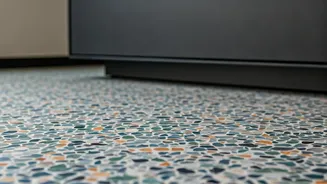
At its core, terrazzo isn’t a single stone but a composite material. Think of it like a chef’s “use-it-all” recipe for stonework. Traditionally, it was made by suspending chips of marble, quartz, granite, or glass in a cement or resin binder. The mixture
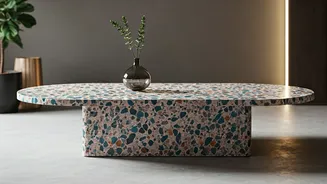
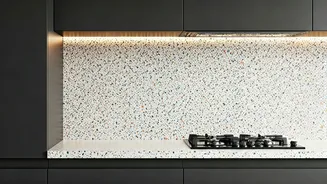
is poured, cured, and then ground and polished to a perfectly smooth surface, revealing the beautiful cross-section of the embedded aggregates. The “recycled” part of the modern trend is what gives it a contemporary edge. Today’s most sought-after terrazzo often uses post-consumer recycled glass, porcelain from discarded sinks, or marble and stone offcuts that would otherwise end up in a landfill. This process turns industrial waste into a bespoke, gem-like surface, making each slab completely unique.
The Powerful Pull of Sustainable Luxury
One of the biggest drivers of the terrazzo backsplash trend is a cultural shift toward conscious consumerism. For years, the pinnacle of kitchen luxury was a massive, flawless slab of quarried marble or quartz. But as homeowners become more environmentally aware, the appeal of a material made from recycled content has skyrocketed. Recycled terrazzo offers the perfect solution: it delivers a high-end, custom look while aligning with values of sustainability and waste reduction. It allows homeowners to make an aesthetic statement that is also an ethical one. Choosing a backsplash made from crushed beer bottles and old ceramics feels more innovative and responsible than opting for a newly mined stone, and in the world of modern luxury, that story is a significant part of the appeal.
A Welcome Break from Uniformity
For the better part of a decade, the aspirational kitchen was defined by sleek, minimalist, and often all-white surfaces. Think white subway tiles and uniform quartz countertops. While clean and timeless, this aesthetic can sometimes feel sterile or impersonal. Terrazzo is the antidote. Its random, confetti-like pattern introduces texture, color, and a sense of organic playfulness without being chaotic. No two terrazzo surfaces are identical, which provides a feeling of bespoke craftsmanship in an age of mass production. This “perfectly imperfect” quality makes a kitchen feel more personal and curated. It adds character and a focal point that is dynamic and interesting to look at, breaking up the monotony of solid-color cabinets and counters.
Old World Charm with a Modern Twist
While it feels incredibly current, terrazzo is anything but new. The technique dates back to 15th-century Venice, where resourceful mosaic workers used leftover marble chips from lavish construction projects, set them in clay, and sealed them to create inexpensive, durable flooring for their own homes. This rich history gives the material a sense of permanence and classical appeal that brand-new materials can’t replicate. Today’s designers are tapping into that heritage, using a centuries-old technique in a fresh, modern context. A terrazzo backsplash doesn’t just feel like a trend; it feels like a nod to history, adding a layer of depth and soul to a contemporary kitchen. It connects a modern American home to a long tradition of European artistry and ingenuity.
It’s as Practical as It Is Pretty
A design trend can’t survive in a high-traffic area like the kitchen if it isn't functional. Fortunately, terrazzo is a workhorse. Modern resin-based terrazzo is non-porous (when properly sealed), making it resistant to stains from wine, coffee, and oil—a crucial feature for a backsplash. It’s also incredibly durable and resistant to heat and scratches. Unlike some natural stones that require constant, delicate maintenance, terrazzo is relatively low-maintenance and easy to clean with a simple pH-neutral cleaner. This combination of jaw-dropping beauty and everyday practicality is the final piece of the puzzle. It proves that homeowners don't have to choose between a kitchen that looks good on Instagram and one that can withstand the rigors of daily cooking.