

From Burnout to Bio-Hacking
For decades, the ideal American vacation was a frantic exercise in box-ticking. We crammed our itineraries with excursions, sightseeing, and nightlife, returning home more exhausted than when we left. The goal was to extract maximum experience per dollar,
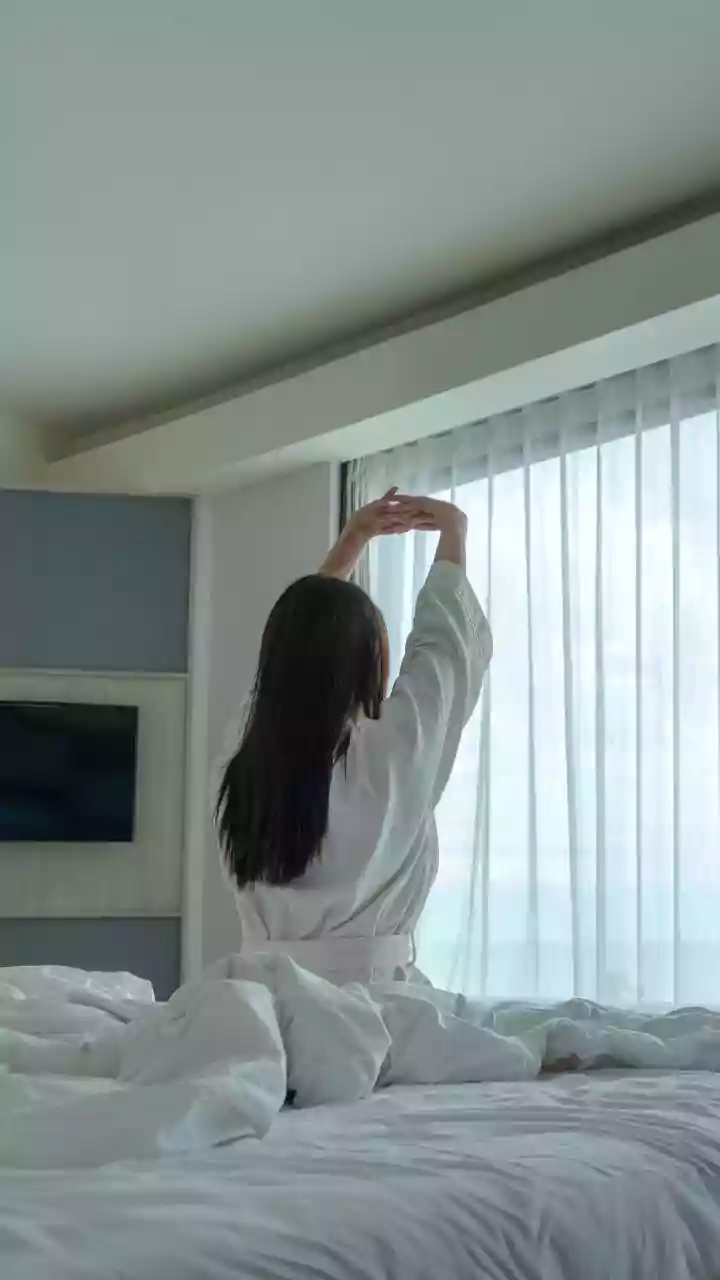
fueled by the fear of missing out. But a quiet revolution is underway, born from a collective sense of burnout. The relentless pace of modern life, amplified by the pandemic’s blurring of work-life boundaries, has left us chronically tired. We’re over-stimulated, over-caffeinated, and under-rested. As a result, the very definition of a successful getaway is shifting. It’s no longer about escaping our lives for a week of chaos, but about actively healing from them. The new luxury isn’t stimulation; it’s sanctuary. And the most valuable souvenir you can bring home is a fully recharged internal battery.
Checking In to a Good Night’s Sleep
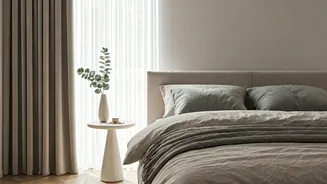
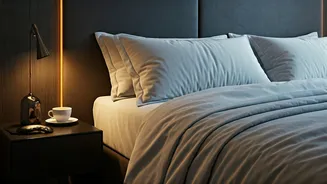
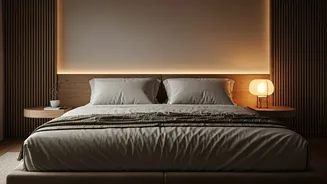
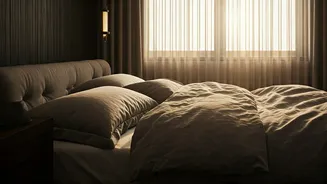
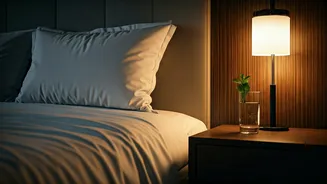
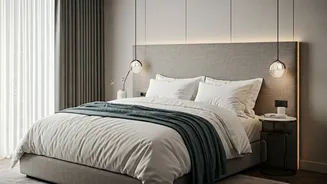
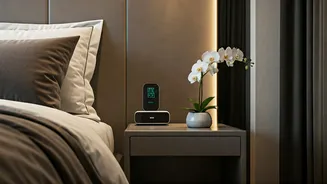
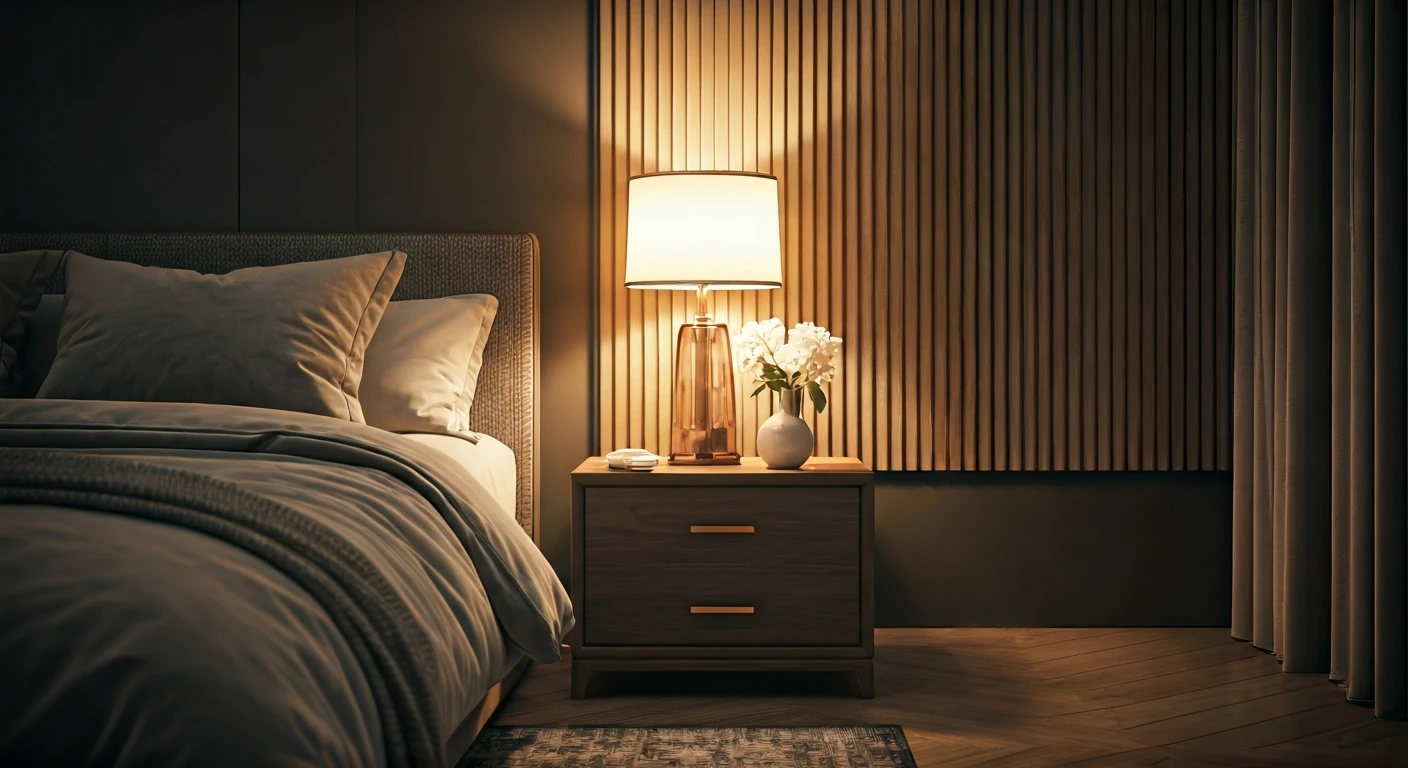
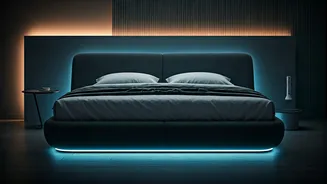
The hospitality industry, ever responsive to consumer desire, is leaning heavily into this new paradigm. The once-niche concept of “sleep tourism” is going mainstream, moving far beyond a simple pillow menu and blackout curtains. High-end hotels are now locked in a wellness arms race to engineer the perfect night’s sleep. Five-star properties are installing AI-powered smart beds that adjust firmness in real-time, cooling mattresses to optimal temperatures for deep sleep. Brands like Rosewood and Six Senses have introduced dedicated sleep programs and retreats, complete with on-site sleep coaches, guided meditations, and personalized chronotherapy. Some hotels even offer “sleep concierges” who can curate your entire evening environment, from aromatherapy and custom lighting to curated playlists of binaural beats. This isn't just about comfort; it's about a tech-forward, results-driven approach to rest, turning the hotel room into a high-performance recovery pod.
It’s a Whole Vibe
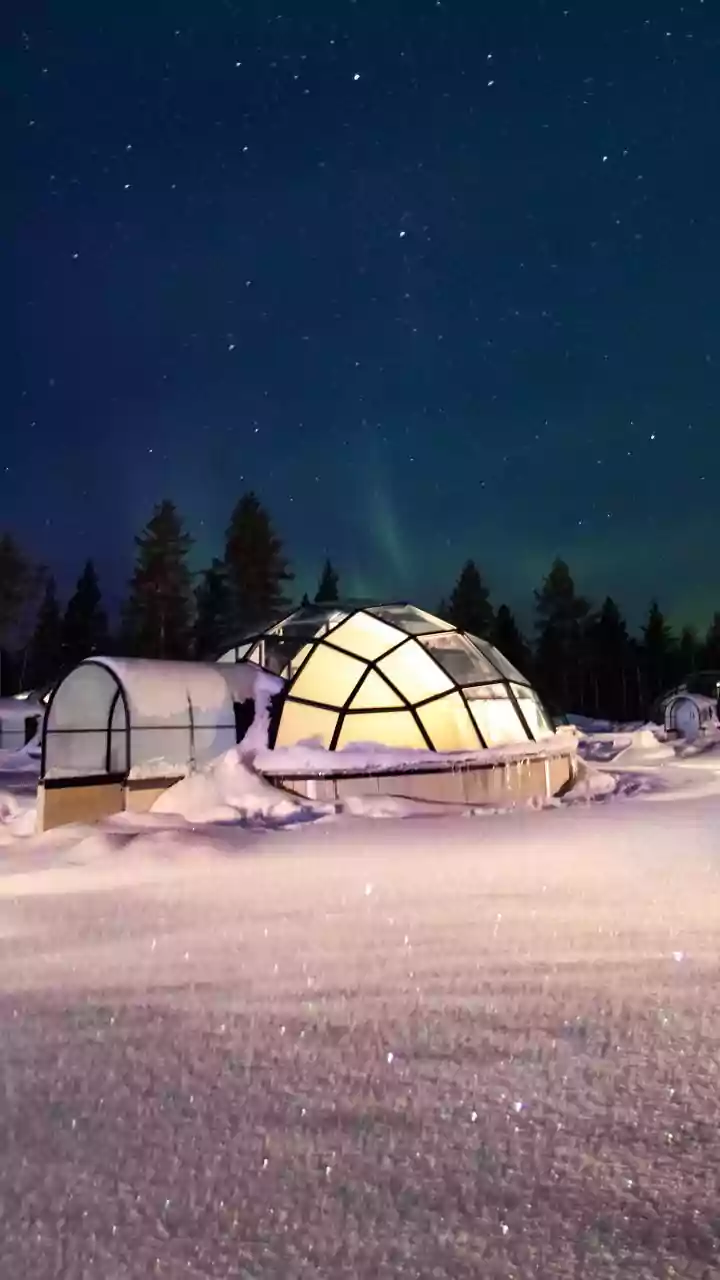
This focus on rest extends well beyond the bedroom door. The most forward-thinking travel brands understand that true restoration requires a holistic approach. Itineraries are being redesigned to be less demanding, with built-in “unstructured time” for napping, reading, or simply doing nothing. Spa menus are expanding to include treatments specifically designed to combat jet lag and promote slumber, like CBD-infused massages and sensory deprivation float tanks. Even the food and beverage programs are getting a soporific makeover. Minibars are being restocked with magnesium-rich snacks, herbal teas, and non-alcoholic nightcaps instead of sugary sodas and whiskey. The goal is to create an entire ecosystem of calm, where every touchpoint—from the scent in the lobby to the decibel level in the restaurant—is optimized to lower your cortisol and prepare your body for profound rest.
Your 2026 Travel Brag
As this trend accelerates toward 2026, get ready for your social feeds to look a little different. The bragging rights will shift. Instead of a photo of a crowded tourist landmark, the new flex will be a screenshot of a sleep-tracking app showing eight hours of uninterrupted deep sleep. The coveted destination won’t be the buzziest city, but the quietest retreat. In a world saturated with performative adventure, the ability to truly disconnect and restore your physical and mental health will become the most aspirational—and rarest—of travel experiences. Telling your colleagues you “did absolutely nothing” on vacation will no longer be a sign of a wasted trip, but a testament to a successful one. It’s a quiet, powerful statement that you value your well-being above all else, and that, in our frantic world, is the biggest flex of all.