



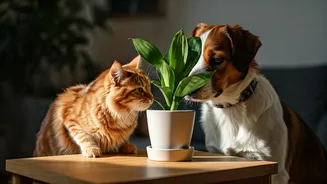


Lush and Safe: Great Plant Choices
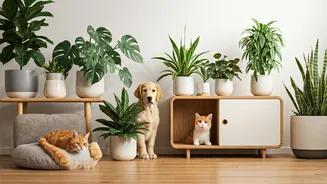
Creating a pet-friendly jungle is easier than you think. Many gorgeous, low-maintenance plants pose no threat to your four-legged friends. Instead of worrying about what you can't have, focus on the wonderful options that are perfectly safe for both cats
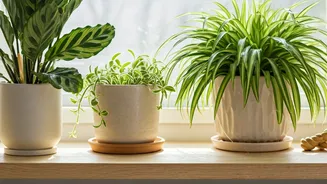
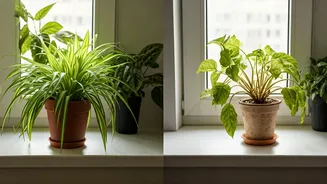
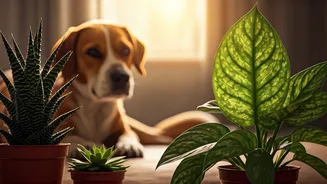
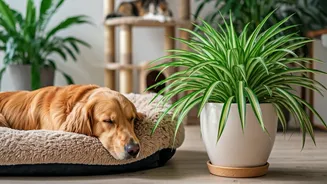
and dogs, according to the ASPCA. The Spider Plant (Chlorophytum comosum) is a classic for a reason: it’s resilient, great for hanging baskets (away from paws, just in case), and non-toxic. Similarly, the Prayer Plant (Maranta leuconeura), with its stunning patterned leaves that fold up at night, adds drama without danger. For a touch of the tropics, a Parlor Palm (Chamaedorea elegans) is a fantastic, cat-safe choice that thrives in lower light. And if you're looking for a popular succulent, Haworthia species are a much safer bet than many other common succulents like jade.
More Safe Bets for Your Home
The list of safe options is long and varied. The African Violet (Saintpaulia) offers a pop of color and is completely harmless if your cat decides to bat at its fuzzy leaves. The Cast Iron Plant (Aspidistra elatior) lives up to its name—it's nearly indestructible and entirely pet-safe, making it perfect for beginners. For those who love the vining look, the Ponytail Palm (Beaucarnea recurvata) is not a true palm but a succulent that's non-toxic and has a playful shape that might even entertain your cat. And don't forget herbs! A small indoor herb garden with basil, rosemary, and thyme is not only useful for your kitchen but also safe if your pet takes a curious nibble.
Handle with Care: Popular but Toxic Plants
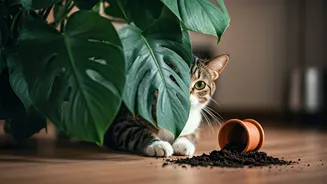
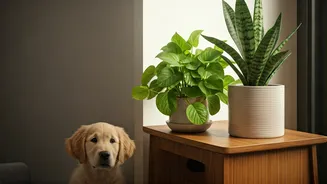
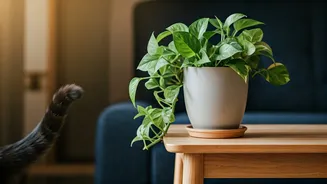
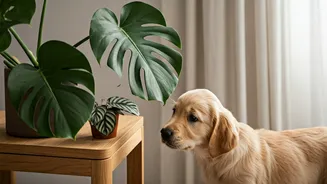
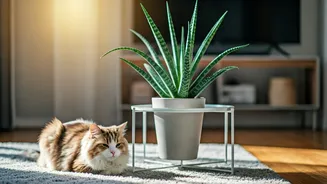
This is where vigilance is key. Many of the most popular and Instagram-famous houseplants are unfortunately toxic to pets. The Sago Palm, for instance, is extremely dangerous; ingestion of any part can cause severe vomiting, liver failure, and can even be fatal. Lilies (of the Lilium and Hemerocallis species) are another major red flag, especially for cats. Ingesting even a small amount of the plant, its pollen, or the water from its vase can lead to acute kidney failure. Other common culprits include the Snake Plant (Dracaena trifasciata), which can cause nausea and vomiting, and the Pothos (Epipremnum aureum), known for causing oral irritation and intense burning of the mouth and throat. While beautiful, these are best avoided or kept in rooms that are completely inaccessible to pets.
Recognizing the Signs of Trouble
Even with the best intentions, accidents can happen. If you suspect your pet has ingested a toxic plant, knowing the signs can be crucial. Symptoms vary depending on the plant and the animal, but common red flags include: drooling, vomiting, diarrhea, loss of appetite, lethargy, or signs of oral pain like pawing at the mouth. More severe signs can include difficulty breathing, seizures, or collapse. Don't wait for symptoms to worsen. If you see your pet eating a plant you know is toxic, or if they exhibit any of these signs and you suspect they may have, it's time to act immediately. Take a photo of the plant if you can, as this will help your vet with identification and treatment.
Your Emergency Action Plan
If you suspect plant poisoning, time is of the essence. First, remove your pet from the area and make sure they can't access the plant anymore. Do not try to induce vomiting at home unless specifically instructed to by a professional, as it can sometimes do more harm than good. Your immediate next step should be to call your veterinarian or an animal poison control center. Keep these numbers saved in your phone and posted somewhere visible, like on your refrigerator. The two most critical resources are your local emergency vet and the ASPCA Animal Poison Control Center, which is available 24/7. They can provide life-saving advice and tell you whether you need to rush your pet to a clinic.