

The Rise of 'Hotel Fatigue'
It’s not that hotels are universally bad. But for many travelers, the modern hotel experience has become a predictable cycle of long check-in lines, impersonal service, and a distinct feeling of being disconnected from the place they’ve traveled so far
to see. This phenomenon, dubbed ‘hotel fatigue,’ captures the exhaustion with a transactional model of hospitality that prioritizes efficiency over experience. Travelers are growing tired of cookie-cutter rooms that look the same in Phoenix as they do in Philadelphia. They’re questioning the value of amenities they never use while being nickeled and dimed for essentials like Wi-Fi or a bottle of water. This fatigue isn’t just about a single bad stay; it's a cumulative disenchantment with a travel style that feels sterile, contained, and ultimately, unmemorable.
The Allure of the Lodge
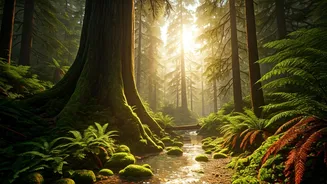
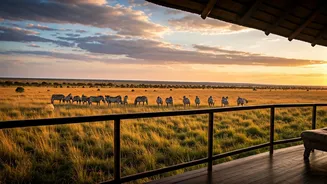
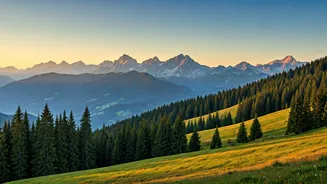
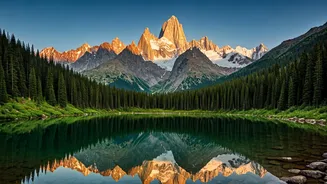
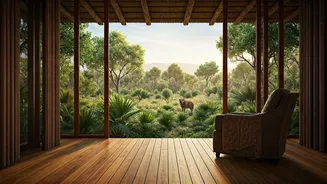
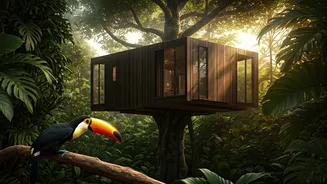
In response, a different kind of accommodation is capturing the American imagination: the wildlife lodge. This isn’t just a rustic cabin in the woods. A true wildlife lodge is a destination thoughtfully integrated into its natural environment. Its very architecture and ethos are designed to connect guests with the surrounding ecosystem. Unlike a hotel that could exist anywhere, a lodge is inseparable from its location. It might be a sprawling ranch on the plains of Wyoming, a collection of curated cabins in the Great Smoky Mountains, or an outpost overlooking the rugged coast of Alaska. The promise is simple but profound: your accommodation is not just a place to sleep, but the very gateway to your adventure.
Trading Crowds for Deeper Connection
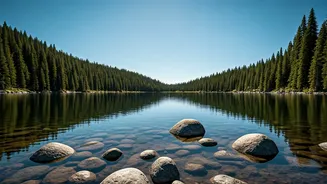
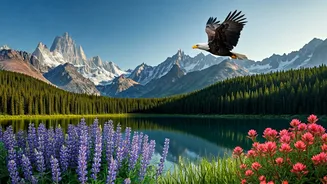
Perhaps the greatest driver toward these nature-centric escapes is the desire for genuine connection—with nature, with loved ones, and with oneself. The typical resort vacation can often feel like trading one set of crowds and distractions for another. Wildlife lodges offer the opposite: space, silence, and presence. Instead of the distant hum of a freeway, the soundtrack is birdsong or the rustle of wind in the pines. The experience encourages a different pace of life. It’s about putting away the phone not because there’s no signal, but because there’s a family of deer grazing a few hundred yards away. This shift from passive entertainment to active engagement with the natural world is a powerful antidote to the burnout of modern urban life.
Experiences Over Amenities
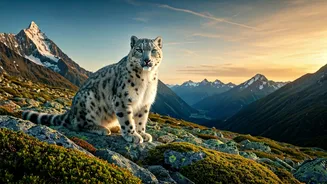
Hotels sell rooms and amenities; lodges sell experiences. This is the fundamental difference. While a hotel might boast a state-of-the-art gym and a rooftop pool, a lodge’s ‘features’ are the landscape and the activities it enables. Instead of a morning on the treadmill, you might join a guided dawn hike to track animal footprints. Instead of an afternoon at the pool bar, you could be learning to fly-fish on a pristine river with an expert guide. Evening entertainment isn’t a television, but a lecture from a resident naturalist or a breathtaking stargazing session far from city lights. These aren’t just scheduled activities; they are immersive, educational, and often transformative experiences that create lasting memories far more potent than a comfortable hotel bed.
An Adventure for Every Appetite
The term ‘wildlife lodge’ may conjure images of rugged survivalists, but the reality is far more diverse. The modern lodge market caters to a wide spectrum of travelers. At the high end, luxury properties like The Resort at Paws Up in Montana offer gourmet meals, personal butlers, and spa treatments alongside their wilderness excursions—a ‘glamping’ experience on a grand scale. At the same time, countless smaller, more accessible lodges and historic inns, like those dotting the Adirondacks or the Pacific Northwest, provide a comfortable and authentic basecamp for exploration without the five-star price tag. The common thread is a focus on place and a philosophy that the greatest luxury of all is an unfiltered experience of the American wilderness.