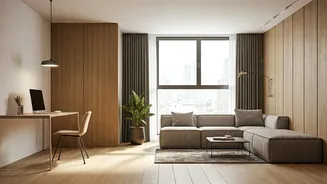

What Is a Multi-Mood Space?
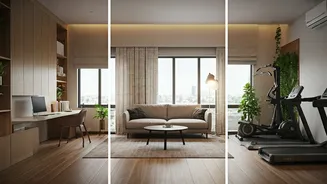
Forget open-plan living where every activity bleeds into the next. A multi-mood space is a design approach focused on 'zoning' a single room or home to support different activities and emotional states. It’s about creating distinct areas that are psychologically
separate, even if they aren't physically divided by walls. Using simple cues like rugs, lighting, and furniture arrangement, you can designate a corner for focused work, a nook for quiet reading, and a central area for shared entertainment. For millennial couples often navigating smaller living quarters and the pressures of remote work, this isn't just a design trend—it's a relationship tool that allows for both intimacy and autonomy.
1. The 'Do Not Disturb' Work Zone
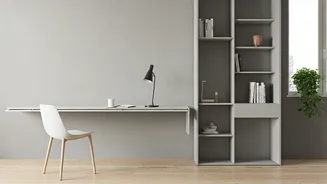
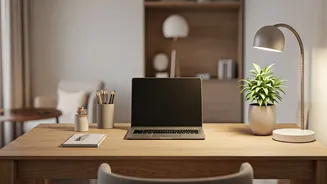
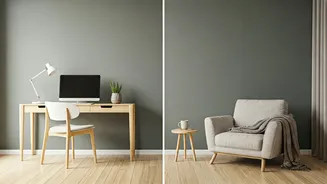
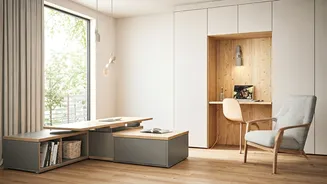
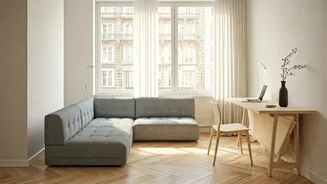
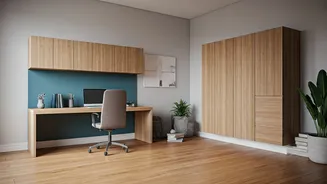
The most common point of friction for cohabitating couples today is the home office—or lack thereof. Instead of fighting over the kitchen table, carve out two distinct work zones. This doesn't require a spare room. It can be a floating desk in a hallway, a 'cloffice' (closet office), or even two small desks on opposite sides of the living room. The key is creating visual and psychological boundaries. Use a small area rug to define your 'office' floor space, invest in noise-canceling headphones as a universal 'I'm busy' sign, and agree on work-mode hours. This separation minimizes interruptions and respects each other's professional needs, reducing the tension that comes from feeling like you're always in each other's workspace.
2. The Decompression Corner
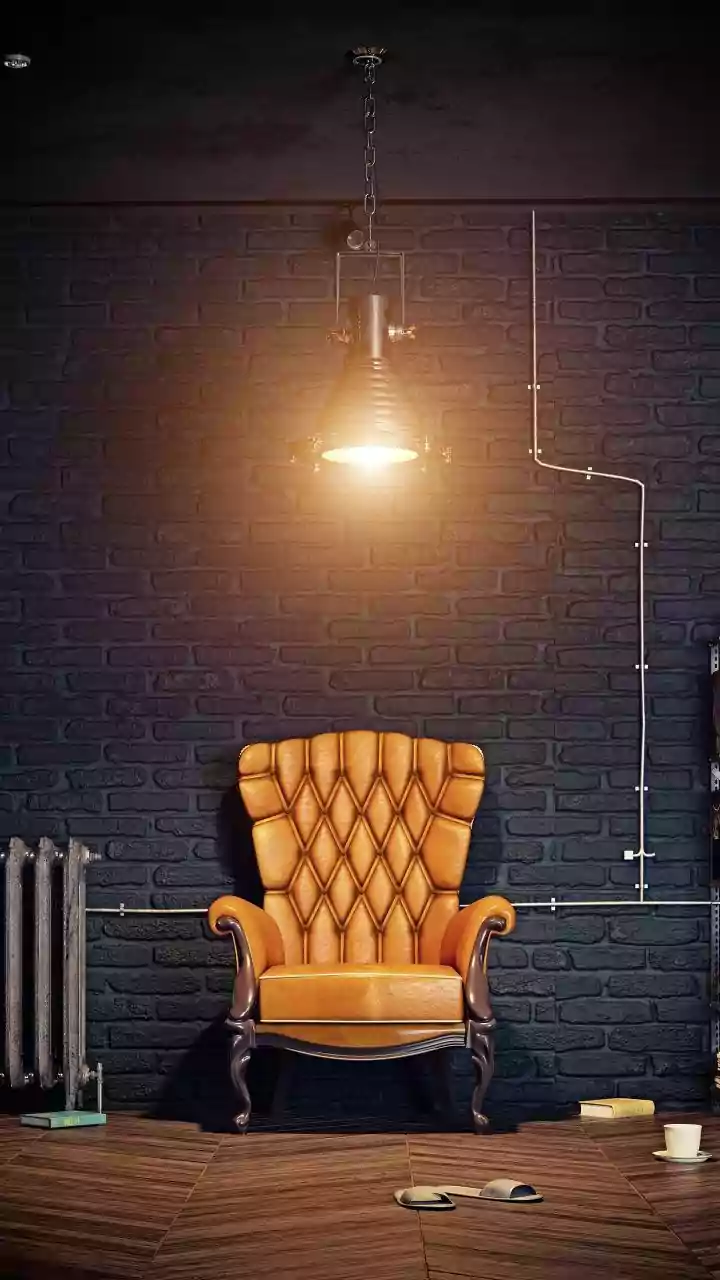
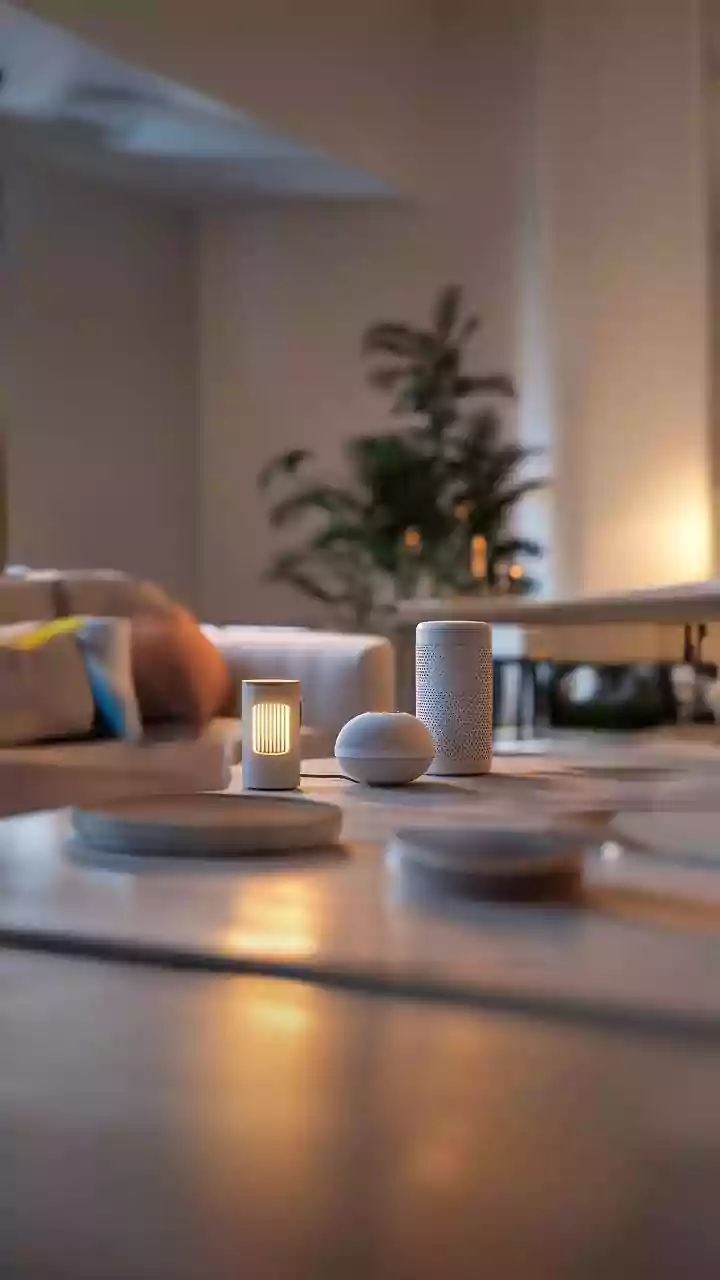
After a long day of work (or just being 'on'), everyone needs a place to mentally clock out. A decompression corner is a small, tech-free sanctuary dedicated to quiet relaxation. This is your spot for reading, meditating, listening to a podcast, or simply staring into space. Find an underused corner and add a comfortable armchair, a soft throw blanket, a small side table for a cup of tea, and a warm-toned lamp. It signals to your partner that you're taking a moment for yourself, which is a healthy and necessary part of sharing a life and a home. It’s a space that asks nothing of you, providing a vital psychological reset button.
3. The Two-Player Entertainment Hub
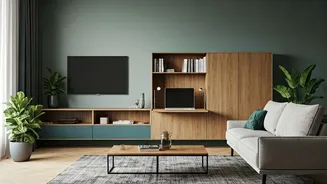
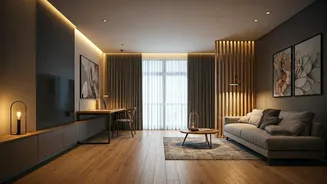
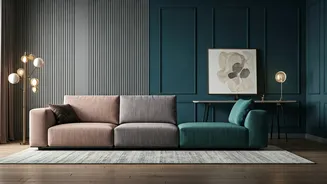
Your living room is for 'we' time, but what happens when your partner wants to watch a movie and you want to scroll through TikTok with the sound on? A multi-mood approach designs for parallel activities. Position your sofa as the main viewing area, but perhaps add a comfortable chaise or floor cushions to one side. This secondary spot can become a personal zone for gaming, browsing on a laptop, or video-chatting with a friend. Using personal audio devices like earbuds is crucial here. This setup allows you to be in the same room, enjoying a sense of passive togetherness, without having to do the exact same thing.
4. The Personal Passion Project Nook
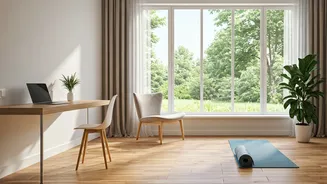
When you move in together, individual hobbies can get squeezed out. Reclaim them by creating a dedicated nook for each person's passion. It could be a small easel and paint supplies tucked behind a decorative screen, a yoga mat that always stays rolled out in a specific spot, or a small workbench in the garage for a DIY project. Giving a hobby a physical home makes it more likely you'll engage with it. It's a tangible acknowledgment that you are two whole individuals with separate interests, and it provides a fulfilling outlet that ultimately enriches both your lives and the relationship.