


Hydration Is More Than Just Water
The old advice to “drink plenty of water” is a starting point, not a complete strategy. Heat and physical labor make your body sweat profusely, losing fluids faster than your thirst mechanism can signal. By the time you feel thirsty, you're already on
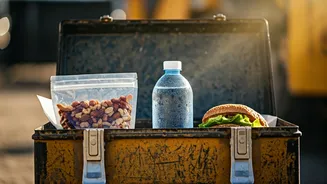
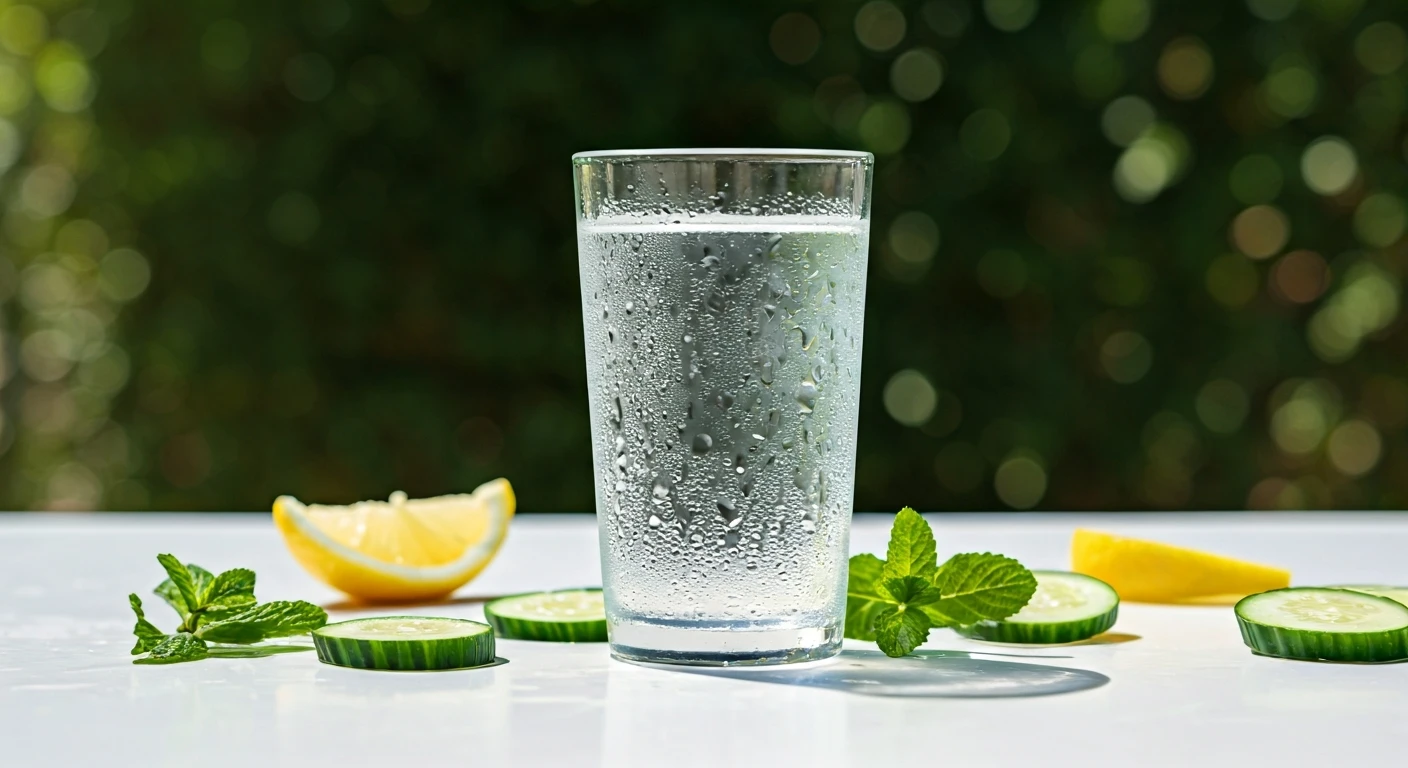
the path to dehydration. The pro move is proactive hydration. Start drinking water before your shift even begins—aim for 16-20 ounces of water one to two hours before heading out. During your shift, don't wait for a break; sip water consistently. The Occupational Safety and Health Administration (OSHA) recommends about one cup (8 ounces) every 20 minutes. Keep your water in an insulated bottle to ensure it stays cool and palatable, which will encourage you to drink more frequently.
Master the Electrolyte Equation
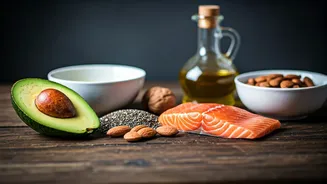
When you sweat, you don't just lose water; you lose essential minerals called electrolytes, primarily sodium and potassium. These are vital for muscle function and fluid balance. Replenishing them is non-negotiable for preventing muscle cramps, dizziness, and heat exhaustion. While sports drinks can help, they are often high in sugar. A smarter approach is to get electrolytes from your food. Pack snacks like pretzels, salted nuts, or a handful of olives for sodium. For potassium, a banana is a classic choice, but you can also opt for dried apricots, avocado, or coconut water. Integrating these foods into your breaks provides a steadier, more natural electrolyte replacement than chugging a sugary drink.
Fuel with Slow-Burning Energy
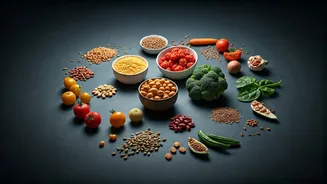
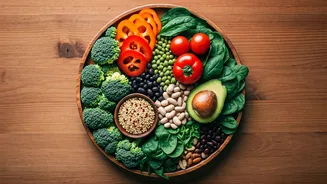
A heavy, greasy lunch is the fastest way to feel sluggish and overheated. Your body has to work harder to digest fatty foods, which actually increases your core temperature. Instead, think like an endurance athlete. Your body needs carbohydrates for energy, but the type matters. Opt for complex carbohydrates that provide a slow, steady release of fuel. A whole-wheat wrap with lean protein like turkey or chicken, packed with hydrating vegetables like lettuce and cucumber, is an ideal choice. Pasta salad with veggies and a light vinaigrette, or a quinoa bowl with beans, also works well. These meals provide sustained energy without the post-lunch crash or the thermal load of a burger and fries.
Choose Your Snacks Wisely
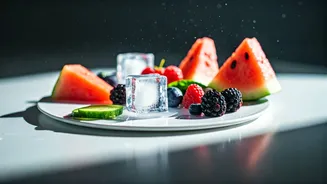
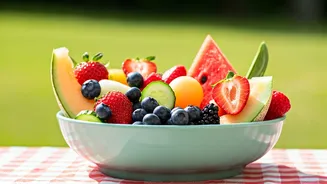
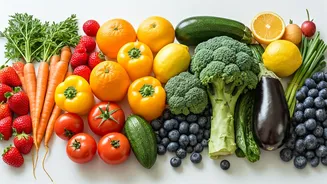
Your snacks are mini-refueling stations. They need to be easy to pack, resistant to spoilage, and packed with the right nutrients. Forget the chocolate bar that will melt into a gooey mess. Instead, focus on water-rich fruits and vegetables, which help with hydration. Grapes, melon chunks, cherry tomatoes, and baby carrots are all excellent. Trail mix is a good option, but build your own to control the ingredients—focus on nuts, seeds, and dried fruit rather than candy. Individual packs of applesauce, fruit cups in their own juice, and protein bars with a balanced nutritional profile are also great grab-and-go options that won’t weigh you down.
The 'Do Not Pack' List
What you *don't* eat is just as important. Steer clear of sugary sodas, energy drinks, and excessive caffeine. While a morning coffee is fine, relying on caffeinated beverages throughout the day can act as a diuretic, increasing fluid loss. Sugary drinks cause a rapid spike and subsequent crash in blood sugar, leaving you feeling more drained than before. Avoid heavy, creamy dressings or mayonnaise-based salads that can spoil quickly in the heat and are hard to digest. The goal is to eat light, frequent meals and snacks that support your body's cooling and energy systems, rather than working against them.