


The Science Behind the Saying
In countries with a monsoon season, the period is defined by heavy rainfall, intense humidity, and warm temperatures. While great for crops, this combination creates a perfect incubator for microbial growth. Bacteria and fungi thrive in damp, warm environments,
and the risk of waterborne contamination increases. This is the origin of the advice: when the world around you is a hot, wet breeding ground for germs, you want to minimize any unnecessary risks with your food. The logic is that pre-cut fruits, which have been handled, chopped, and exposed to the air, are far more vulnerable to contamination during this high-risk period than a whole fruit protected by its natural skin.
From Monsoon to American Summer
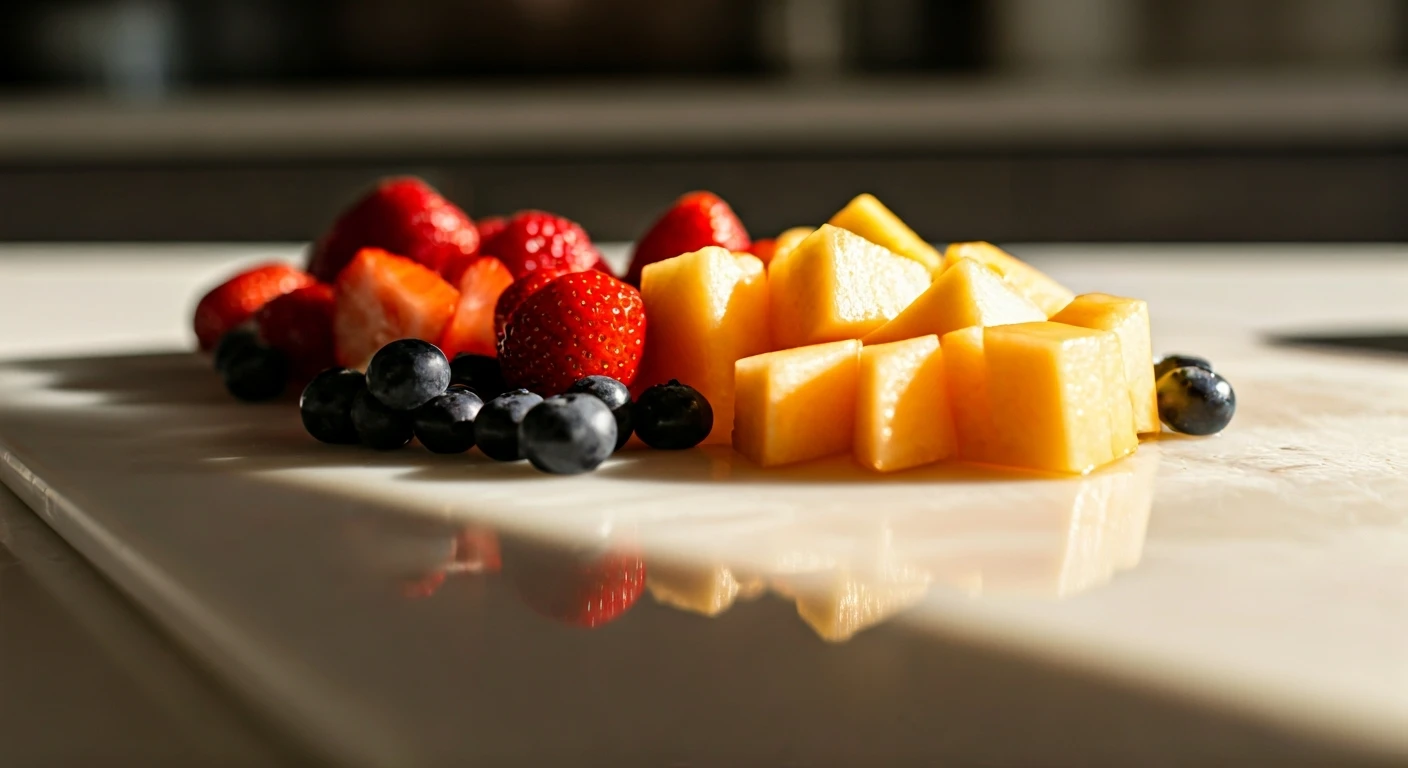
You don't need a tropical downpour to apply this wisdom. Think about the conditions of an American summer: hot afternoons, high humidity in the South and Midwest, and outdoor gatherings where food sits out. These are America’s own “monsoon” conditions when it comes to food safety. The core principle remains the same: moisture plus heat equals a higher risk of spoilage and pathogens. That convenient plastic container of cubed melon or pineapple might look refreshing, but its journey from a processing plant to a refrigerated truck to the grocery store shelf provides multiple opportunities for contamination to take hold, especially if temperature controls aren't perfect along the way.
Why Cutting Makes a Difference
A whole fruit is a fortress. Its skin is a natural barrier designed to protect the sugary, nutrient-rich flesh inside from the outside world. The moment you slice into it, you compromise that defense. First, the knife itself can introduce bacteria from its surface or from other foods it has touched. Second, you expose the moist, sugary interior—an ideal food source for microbes like Salmonella, Listeria, and E. coli. These bacteria, invisible to the naked eye, can multiply rapidly at room temperature. While reputable companies follow strict sanitation procedures, every step of handling, cutting, and packaging outside your own kitchen introduces a new variable and a potential point of contamination.
The Dangers of Listeria and Salmonella
The convenience of pre-cut fruit sometimes masks a serious risk. Listeria monocytogenes is particularly concerning because it can grow even at refrigerated temperatures, unlike many other bacteria. It's especially dangerous for pregnant women, older adults, and those with weakened immune systems. The CDC has linked several Listeria outbreaks to cantaloupe and other fresh fruits. Likewise, Salmonella contamination is a frequent culprit in foodborne illnesses traced back to produce. Symptoms can range from uncomfortable digestive issues to severe illness requiring hospitalization. The risk isn't necessarily high on any given container, but it's a real and present danger that increases with improper handling and warm temperatures.
Smarter Ways to Enjoy Fruit
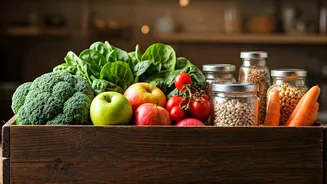
This doesn't mean you have to give up fruit salads and melon wedges. It just means being smarter about how you source and prepare them. The safest approach is to buy fruits whole and wash them thoroughly under running water before cutting them yourself, right before you plan to eat them. This minimizes the time the flesh is exposed. If you must buy pre-cut, treat it like you would milk or raw meat: check the “packaged on” and “best by” dates, ensure it's cold to the touch in the store, and get it into your home refrigerator as quickly as possible. Never buy pre-cut fruit that is sitting in an unrefrigerated display, and discard any that looks slimy, discolored, or smells off.