

Deconstructing 'Indian Food'
For decades, the American understanding of Indian food has been blissfully simple—and mostly wrong. We think of a comforting, homogenous menu: creamy chicken tikka masala, pillowy naan, maybe some samosas and a bowl of saag paneer. It’s delicious, but
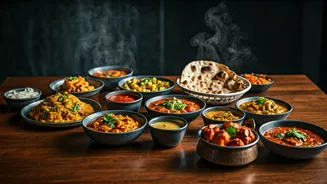
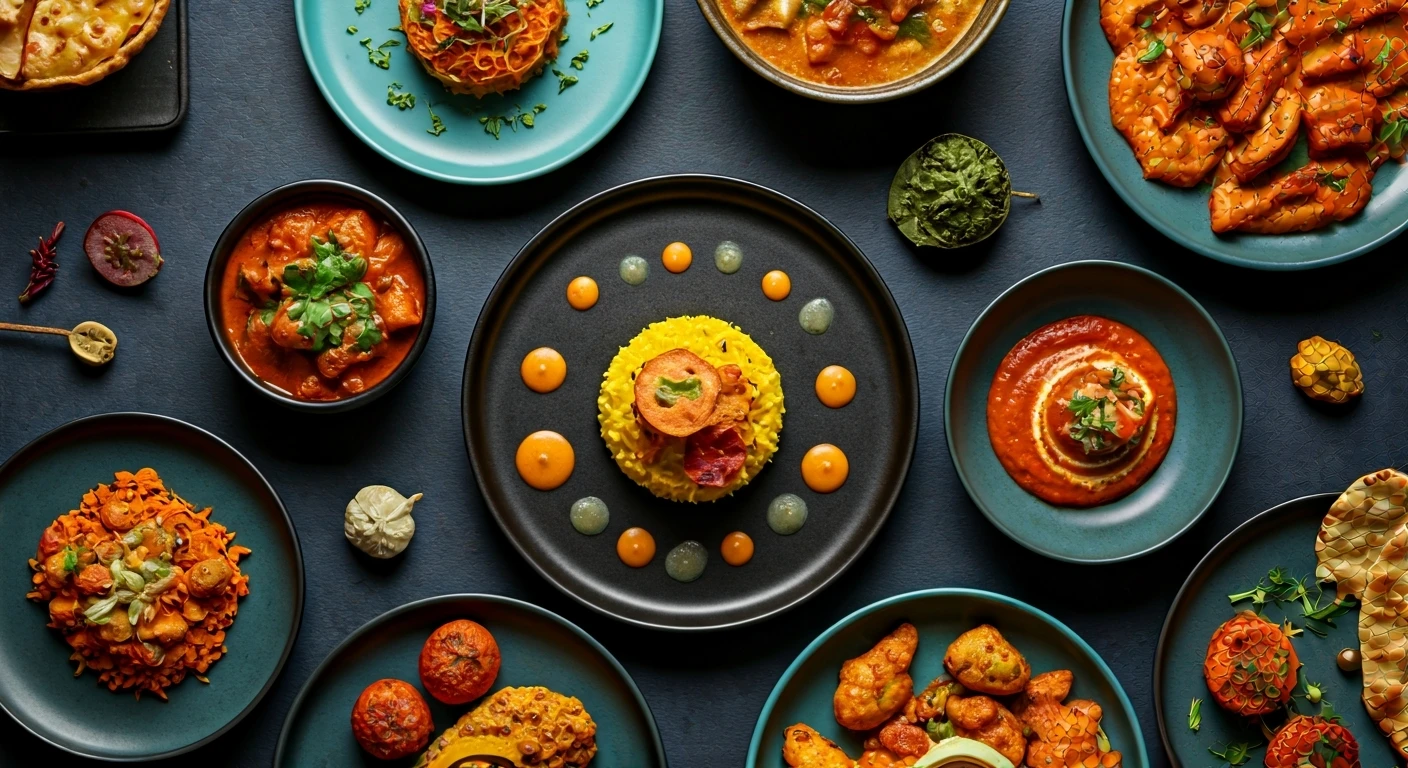
it’s the culinary equivalent of saying you know “European food” because you’ve had a pizza. India isn’t a country; it’s a continent masquerading as one. Its culinary traditions are as distinct as those of Italy and Sweden. The food in coastal Goa, with its Portuguese-inflected seafood and coconut vinegar, shares almost no DNA with the smoky, robust lamb dishes of mountainous Kashmir or the delicate, mustard-oil-laced fish preparations of Bengal. This vast, regional diversity is the foundation of the new ultimate dining experience. It’s a meal designed to shatter the myth of a single “Indian cuisine” by showcasing its staggering breadth in one sitting.
Anatomy of a Culinary Journey
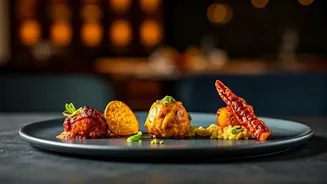
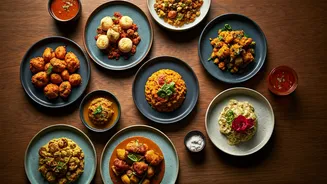
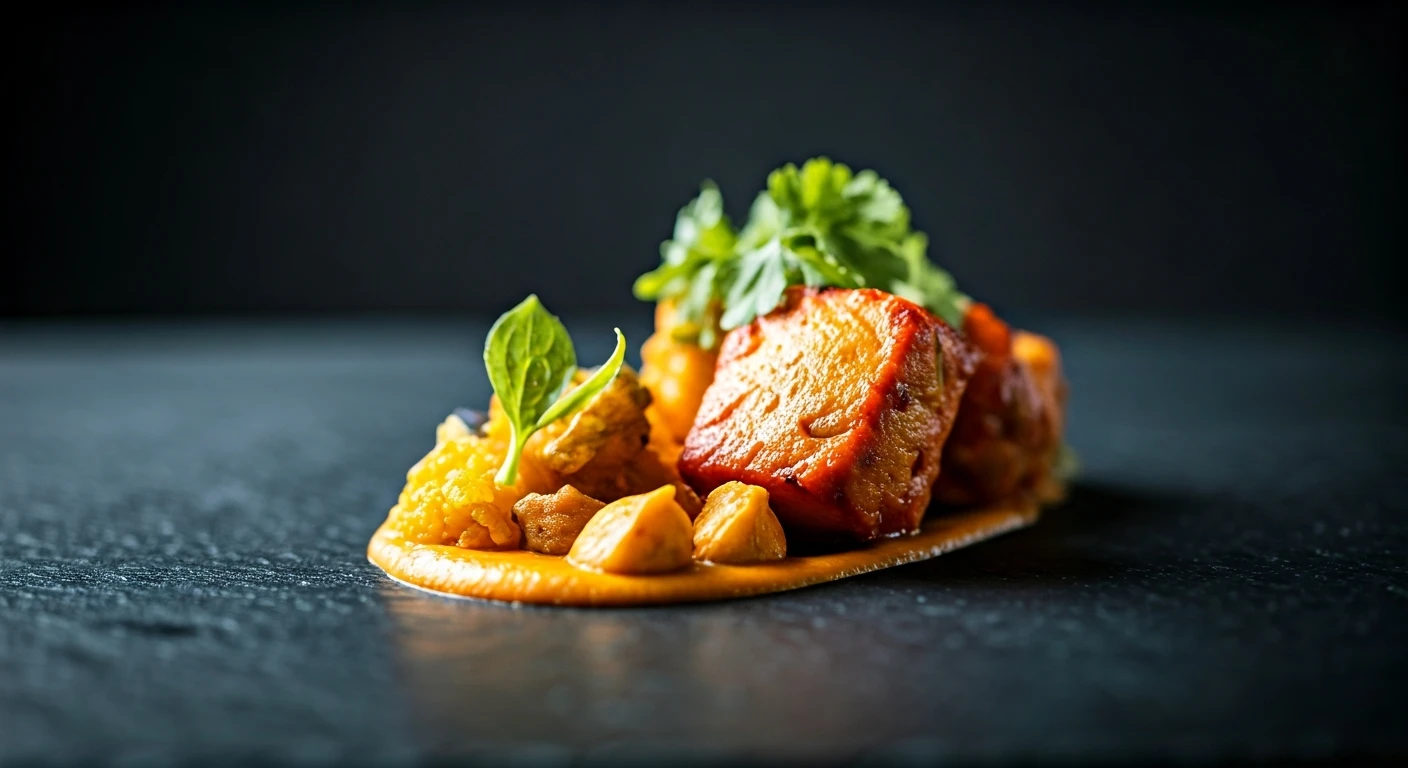
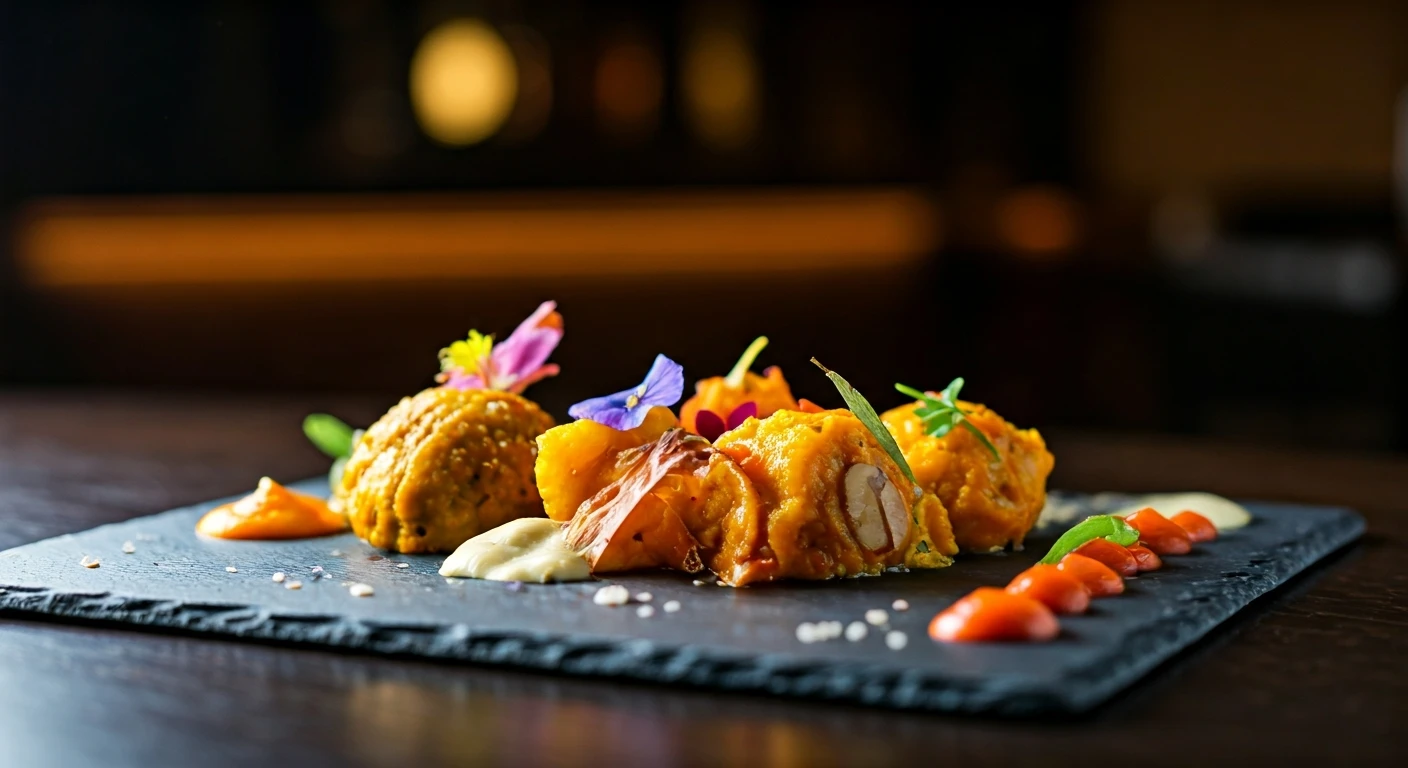
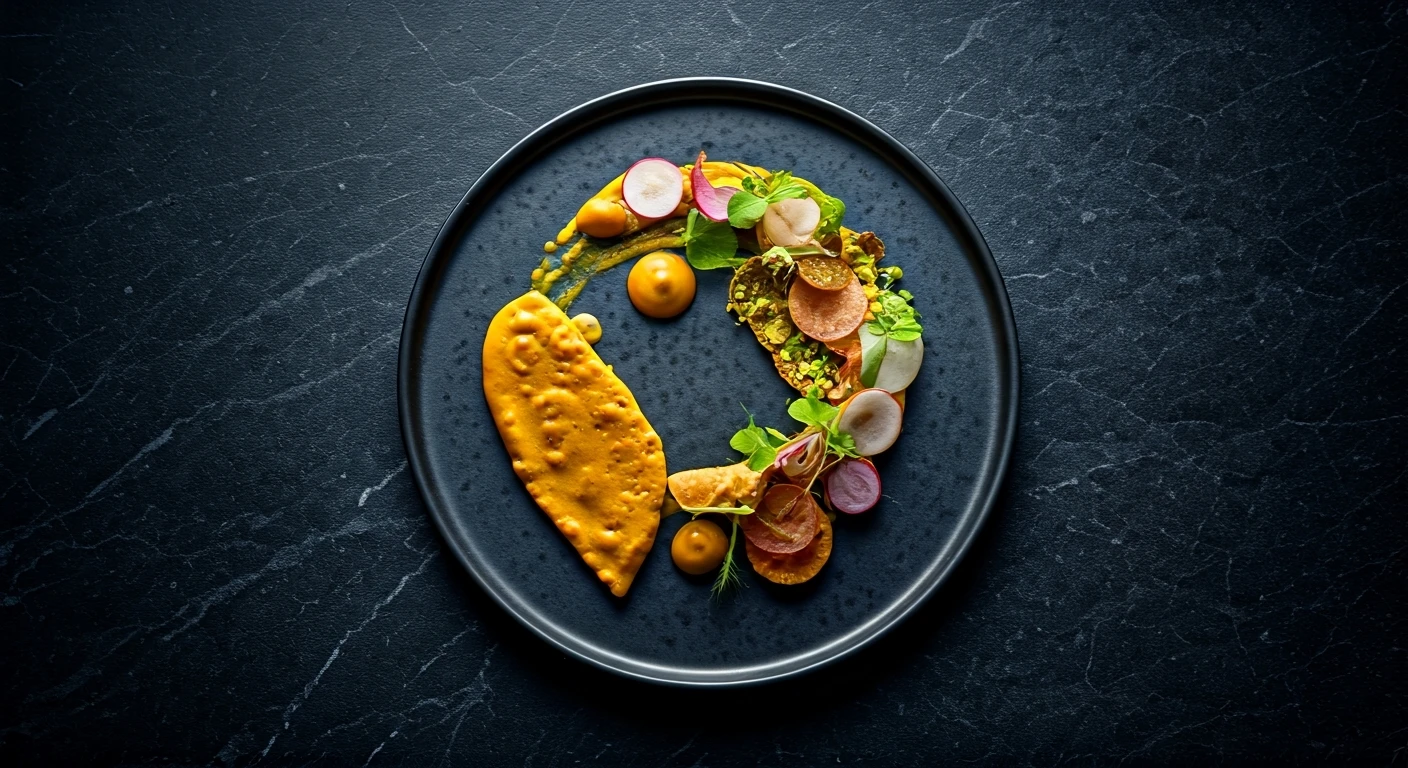
So, what does this 'one meal' actually look like? It’s a multi-course tasting menu, a meticulously choreographed performance that takes you on a 2,000-mile journey without leaving your chair. It might begin in the north with a bite-sized galouti kebab from Lucknow, so tender it’s said to have been created for a toothless king. Next, you could be transported east to Kolkata for a spoonful of daab chingri—prawns steamed inside a green coconut. From there, it’s down south for a modern interpretation of a classic, perhaps a miniature dosa filled with duck confit instead of the traditional spiced potatoes. The main event could be a trip west to Goa for a perfectly grilled piece of fish in a fiery, tangy vindaloo reduction, its complexity worlds away from the Anglicized versions found in most restaurants. Each course arrives with a story, explaining the dish's origin, the community that perfected it, and the unique ingredients, some sourced from tiny, specific villages. The entire meal is a narrative, a map of India laid out in flavors, textures, and aromas.
The Chef as Curator
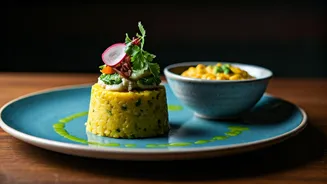
The masterminds behind this trend are a new breed of Indian chefs who see themselves as culinary anthropologists and storytellers. They aren’t just cooking; they are curating. They spend months traveling their own country, digging through family recipe books, and working with small-scale farmers to source hyper-local ingredients—rare chilies from Nagaland, wild mushrooms from the Himalayas, or artisanal sea salt from the coast of Gujarat. In their kitchens, tradition meets technique. They might use sous-vide to perfect a classic lamb shank or liquid nitrogen to reimagine a popular street-food dessert. The goal isn’t just to replicate old recipes but to elevate them, presenting them in a contemporary context that makes their history and nuance accessible to a global palate. Dining at their restaurants feels less like a meal and more like a visit to a museum where you’re allowed to eat the exhibits.
The Real 'Flex' Is Knowledge
This is where the 'flex' comes in. Sure, these meals are expensive, often running into hundreds of dollars per person. But the price tag isn't the point. The real status isn't about proving you have money; it’s about proving you have taste, curiosity, and cultural capital. It’s the ability to appreciate the subtle difference between a spice blend from Rajasthan and one from Kerala. It’s knowing that 'vindaloo' is a dish of preservation, not just heat. In a world saturated with conspicuous consumption, this experience offers a more sophisticated boast. It says you’ve moved beyond brand names and logos. Your flex is intellectual. It’s a quiet declaration that you understand complexity and appreciate artistry, whether it’s in a painting, a symphony, or a plate of food. It’s the ultimate post-materialist power move.