






Beyond Cardio and Competition
For decades, "getting fit" as a family meant cardio. We signed up for 5K fun runs, went on long bike rides, or chased a soccer ball around a field. But a significant cultural shift is underway. The conversation around fitness is expanding beyond weight
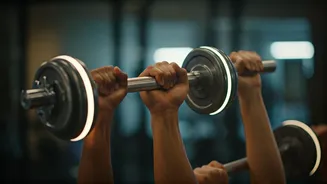
loss and endurance to include a crucial, often-overlooked pillar of health: strength. This isn't about families training for bodybuilding competitions. Instead, it’s a grassroots movement toward functional fitness—the ability to move through life with competence and ease, whether that means a grandparent lifting a toddler without back pain or a teenager carrying a heavy backpack without strain. The focus has moved from aesthetics to ability, from looking a certain way to feeling capable, resilient, and durable for the long haul.
The Longevity Connection
So, why now? Part of the trend is fueled by a growing public understanding of longevity science. We're not just living longer; we want to live *better* for longer. Research consistently shows that maintaining muscle mass is one of the single best predictors of a long, healthy life. Strength training improves bone density, which helps prevent osteoporosis. It boosts metabolism, making it easier to maintain a healthy weight. It enhances insulin sensitivity, reducing the risk of type 2 diabetes. Parents are realizing that teaching their kids the fundamentals of strength is as important as teaching them to swim. It's a life skill that pays dividends for decades, protecting against age-related decline and promoting independence well into the golden years. It reframes exercise from a chore to an investment in future quality of life.
Is It Safe for Kids?
The biggest question for many parents is safety. The old myth that lifting weights will stunt a child's growth has been thoroughly debunked by decades of research. Major medical bodies, including the American Academy of Pediatrics, now endorse properly supervised strength training for children and adolescents. The key is focusing on form, not load. For younger kids, this often means mastering bodyweight exercises like squats, push-ups, and lunges. For teens, it involves learning correct technique with light weights or resistance bands under qualified guidance. The goal isn't to max out a bench press; it’s to build neuromuscular coordination, core stability, and a healthy relationship with physical activity. When done correctly, strength training is one of the safest activities for young people, with a lower injury rate than many popular sports like soccer or basketball.
A New Kind of Family Time
Perhaps the most compelling part of this trend is the way it fosters connection. Unlike team sports that can create a competitive parent-child dynamic, or solo gym sessions that isolate family members, training together is a shared journey of incremental progress. It offers a unique space for parents to model resilience, discipline, and a positive body image. Celebrating a new personal record—whether it’s a first full push-up or adding five pounds to a deadlift—becomes a moment of mutual support. It’s a tangible way to work toward a common goal, teaching kids that strength isn't just physical, but also about consistency and effort. In a world of digital distraction, the focused, phone-free time spent in a garage gym or a corner of the living room is becoming a modern form of family bonding.