


First, Forget the Mango You Know
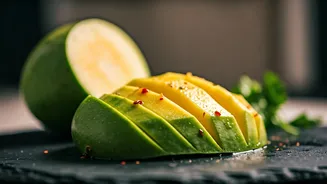
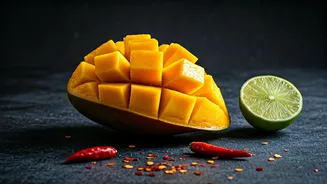
When Americans hear “mango,” they picture a sweet, tender, sunset-hued fruit, dripping with juice. A glorious fruit, to be sure, but not the one we’re talking about. We’re talking about its younger, wilder sibling: the green, unripe mango.
Known in various
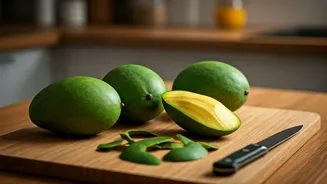
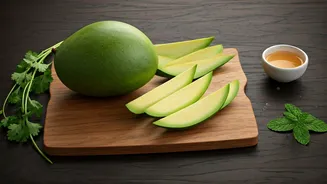
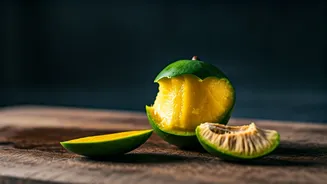
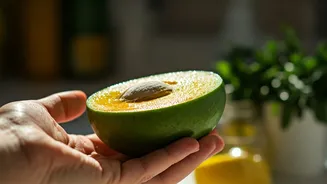
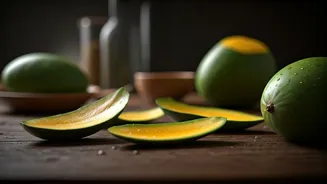
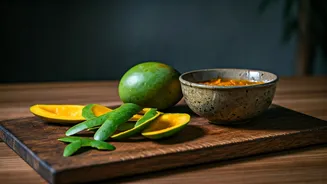
cultures as 'kairi' in India or 'mangó verde' in Latin America, this is the mango before it has a chance to ripen and develop its sugars. The flesh isn't soft and orange; it's firm, crisp, and pale green or white. And the flavor? It’s a lightning bolt. Instead of sugary sweetness, you get a clean, sharp, mouth-puckering sourness with a subtle fruity undertone. The texture is key, too—it doesn’t melt in your mouth, it crunches like a crisp apple or jicama. This isn’t a fruit for a smoothie; it’s a vegetable-like powerhouse of acidity and texture.
Why Sour Is Your Summer Superpower
So why would you want this sour shockwave in your food? Because summer cooking is a balancing act, and raw mango is the ultimate counterbalance. The season’s best foods are often rich, smoky, and fatty. Think about barbecued ribs, creamy potato salad, or a perfectly seared steak. That’s where the raw mango’s “bite” comes in.
Its intense acidity cuts through fat like a knife, cleansing your palate and making each bite of that rich food taste as exciting as the first. On a hot, humid day, its tartness is profoundly refreshing, waking up your taste buds and making everything feel lighter and brighter. It adds a textural snap that breaks up the monotony of softer foods. That sour crunch isn't just a flavor; it's a sensation, an event that happens in your mouth, turning a good dish into a great one.
Three Easy Ways to Get Bitten
Intrigued but intimidated? Don't be. Using raw mango is incredibly simple. You don't need complex recipes, just a new way of thinking about a garnish or a simple side.
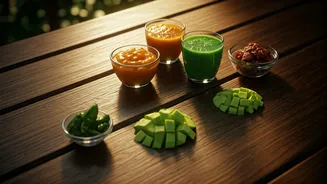
1. The Ultimate Slaw: Forget cabbage. Julienne a green mango (a mandoline slicer is your best friend here), and toss it with thinly sliced red onion, cilantro, a pinch of salt, a dash of lime juice, and maybe a sprinkle of chili flakes. In five minutes, you have a vibrant, crunchy slaw that will revolutionize your tacos, grilled fish, or pulled pork sandwiches.
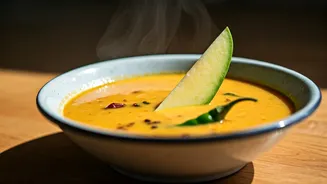
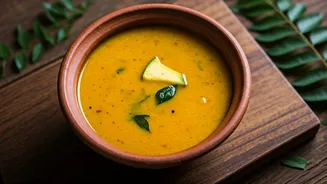
2. The Power Garnish: Don’t even make a separate dish. Simply peel and dice a green mango into tiny, confetti-like cubes. Scatter it over anything that needs a lift: a bowl of black bean soup, a piece of grilled salmon, a sheet pan of roasted chicken and vegetables. Each little piece will be a tiny explosion of bright, sour flavor.
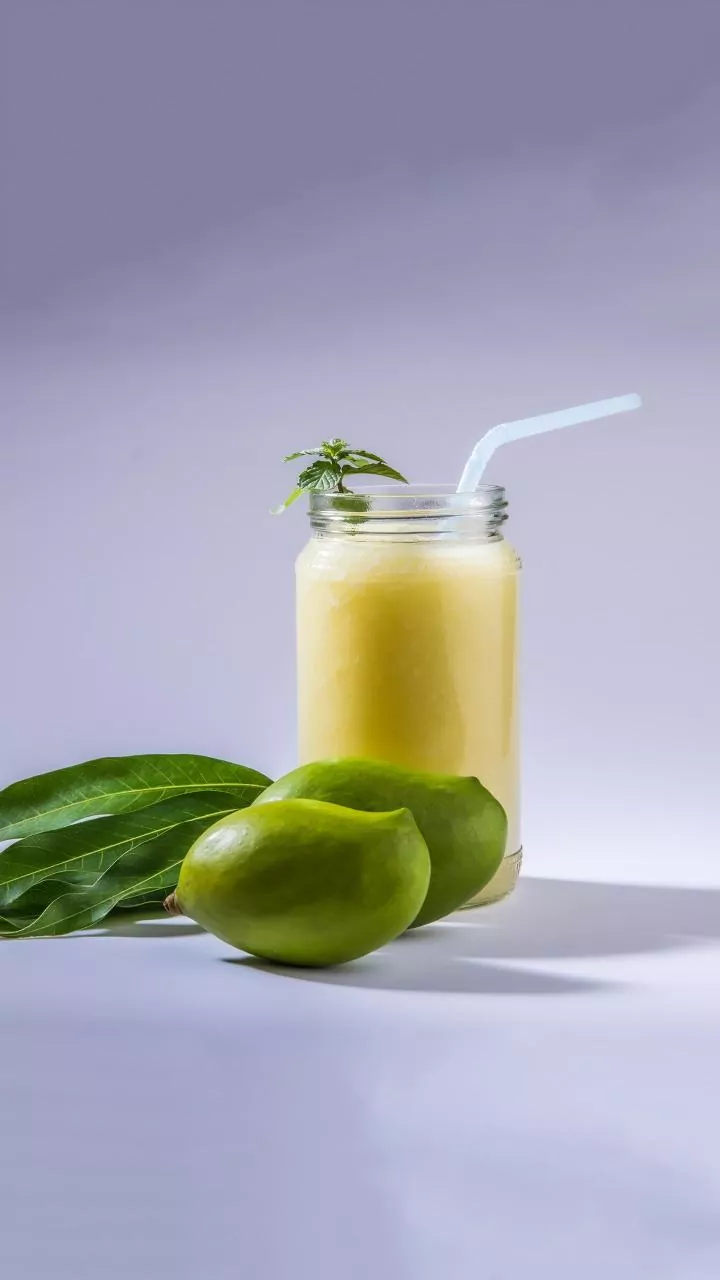
3. A Better Drink: Take your summer beverages to the next level. Muddle a few pieces of raw mango in the bottom of a glass before making a gin and tonic or a vodka soda for a tart, botanical twist. Or, rim your margarita glass with a mix of chili powder, salt, and finely grated raw mango for a flavor kick that puts a simple lime wedge to shame.
How to Find Your Green Mango
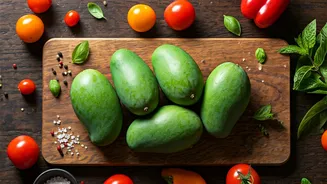
Your standard supermarket might not carry them, but you’re likely not far from a stash. Head to your local Asian or Latin American grocery store. Look for mangoes that are uniformly green, firm to the touch, and heavy for their size. You don’t want any soft spots or yellow/orange blushing—that’s a sign it’s starting to ripen, and you’ll lose that signature sour crunch. The 'Ataulfo' variety is often sold green, as are 'Kent' and 'Tommy Atkins'. Don't worry too much about the specific type; just go for firm and green. Store them in the fridge to keep them from ripening further, and use them within a week for the best texture.