



An Oasis in the Desert State
For most Americans, the word 'Rajasthan' conjures images of vast deserts, majestic forts, and sprawling palaces in cities like Jaipur and Jodhpur. They wouldn't be wrong. But tucked away in the Aravalli Range is an unexpected anomaly: Mount Abu, the only
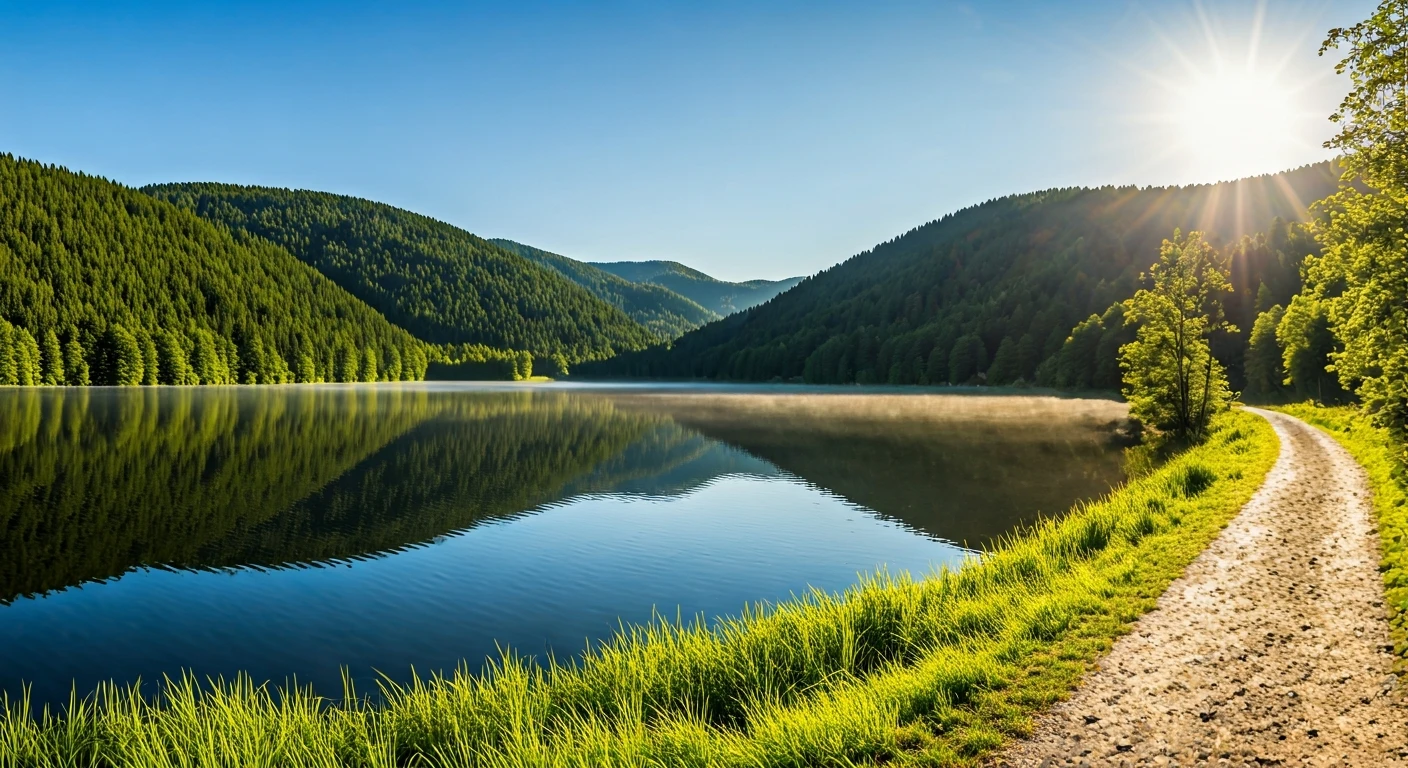
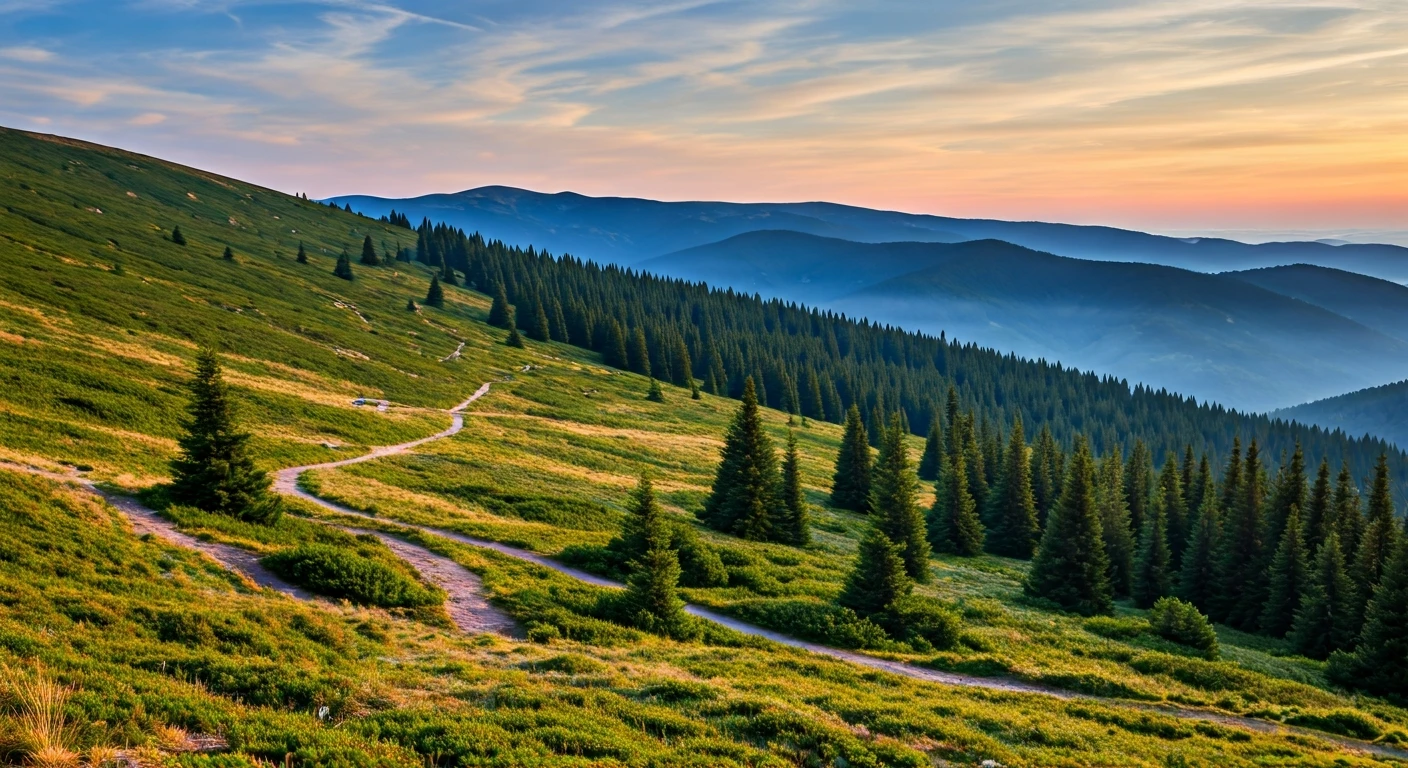
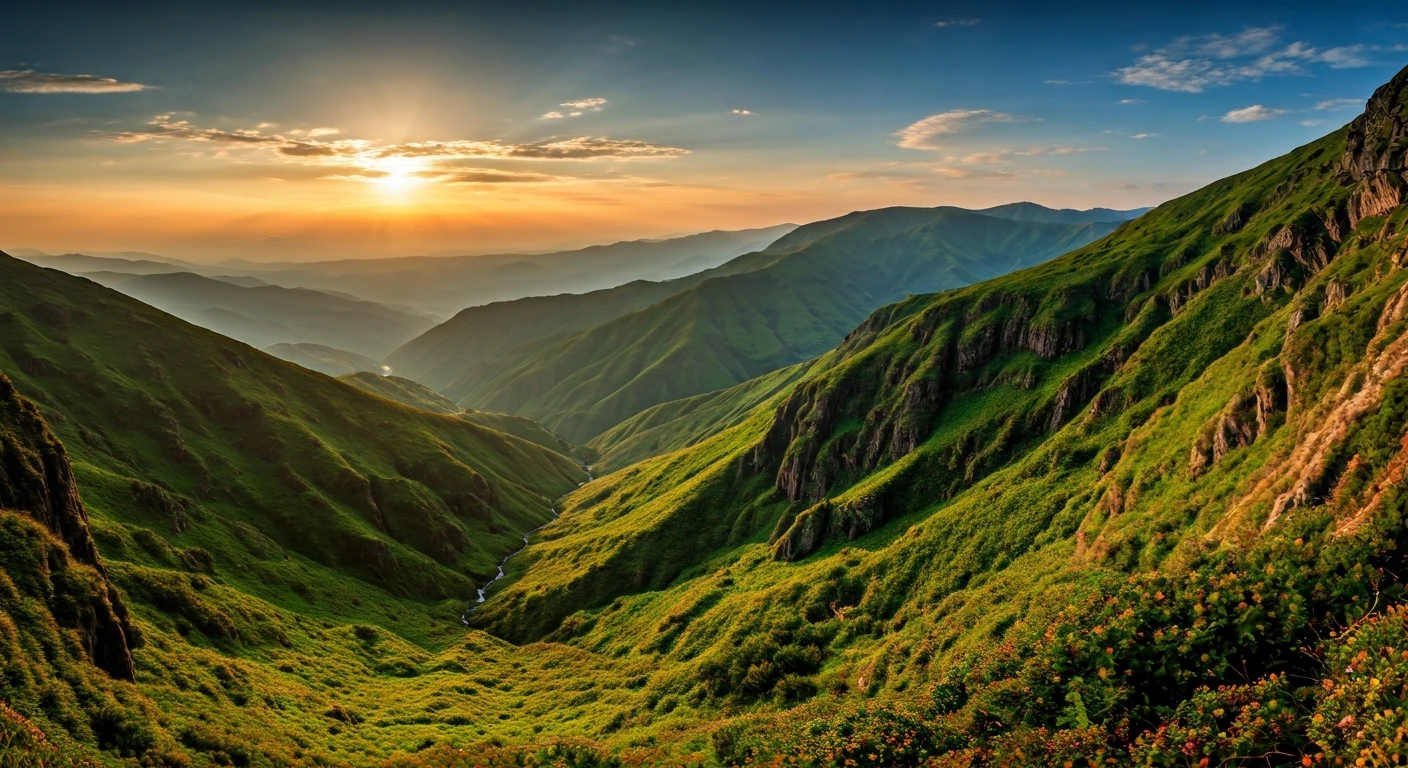
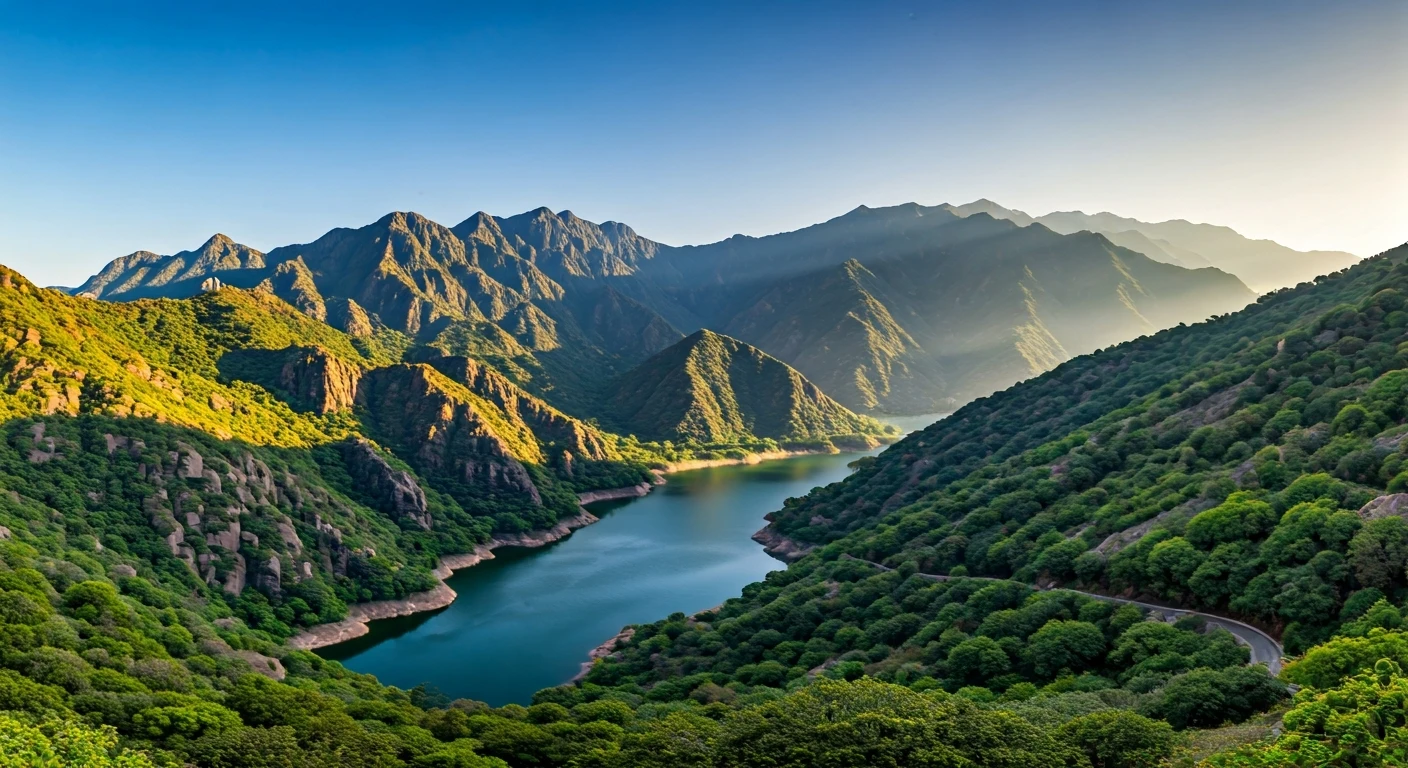
hill station in this famously arid state. Sitting at an altitude of 4,000 feet, it’s a verdant plateau that offers a dramatic change of scenery and, more importantly, a significant drop in temperature. While the rest of Rajasthan bakes in 110°F heat, Mount Abu enjoys a pleasantly cool climate, making it a beloved summer retreat for domestic tourists for over a century. This geographical quirk is the very foundation of its appeal—a cool, forested sanctuary rising from the desert like a mirage.
The Magic of the Monsoon
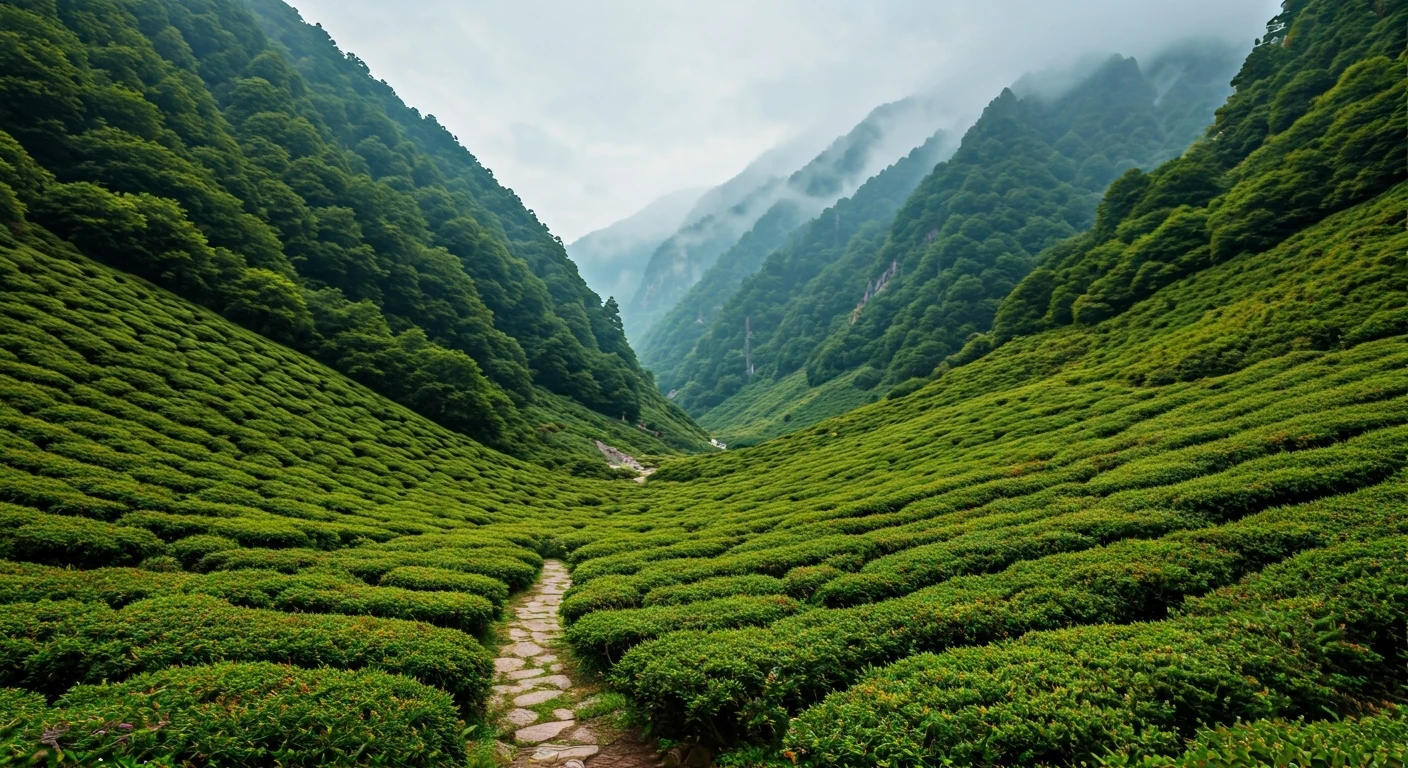
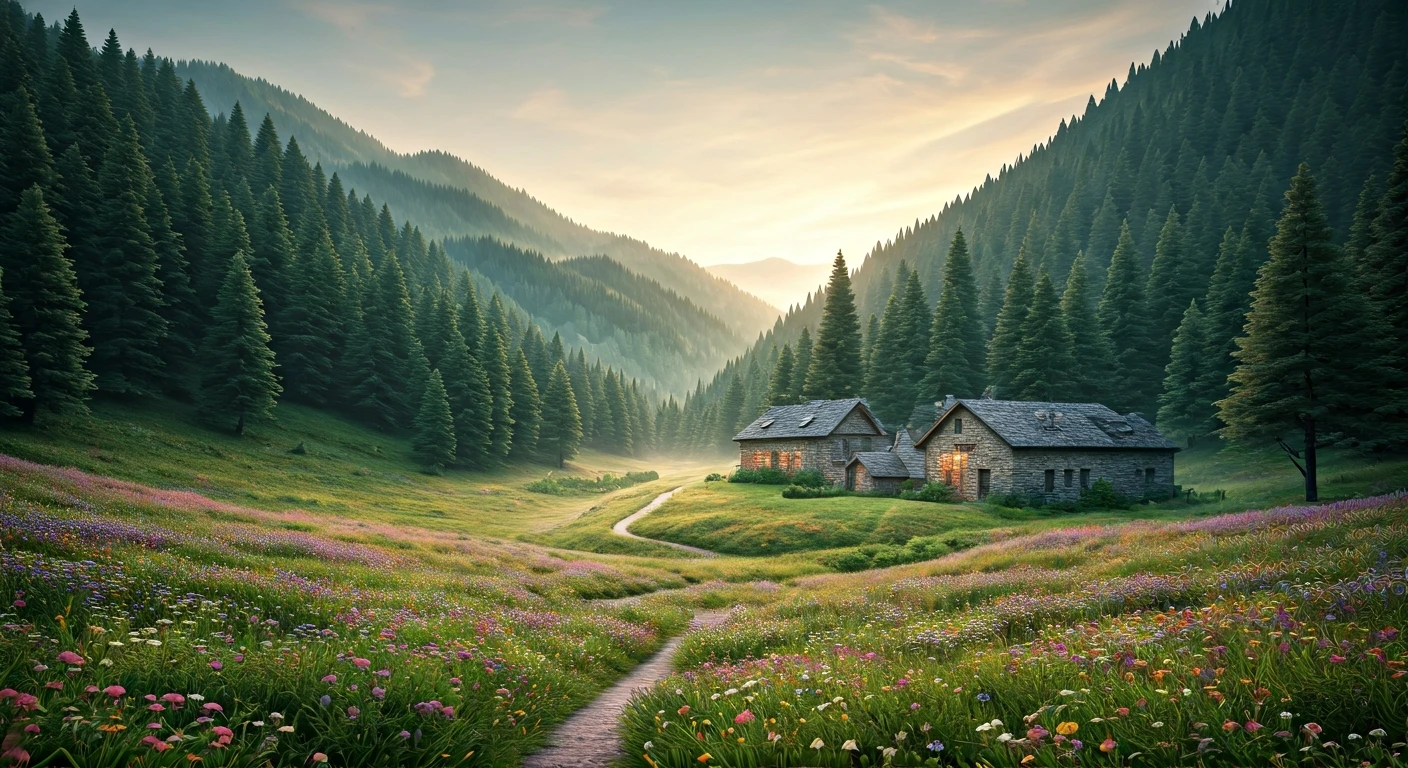
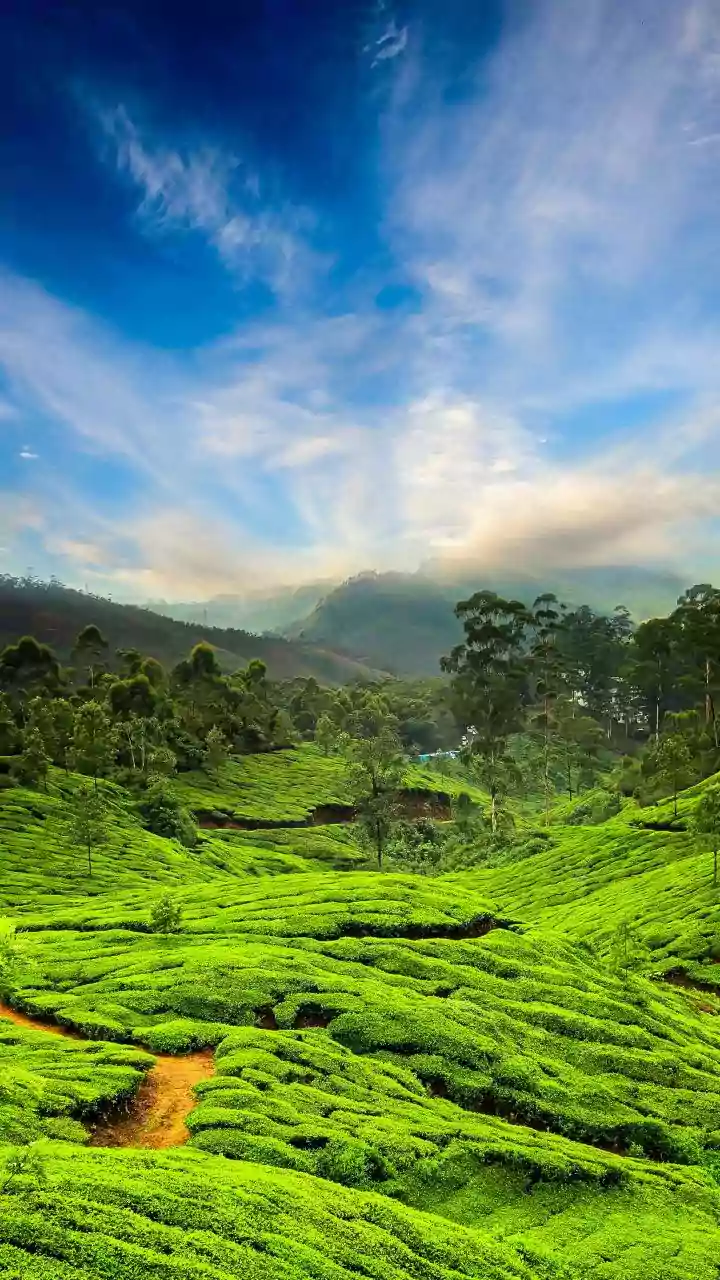
The headline's mention of June is no coincidence. This month marks the beginning of the monsoon season in the region. The first rains wash away the dust, blanketing the hills in a fresh, vibrant coat of green and filling the air with the earthy scent of petrichor. Waterfalls that were dormant for months spring back to life, and a cool mist often hangs over the landscape, creating a mystical, romantic atmosphere. After the travel restrictions and hesitations of the past few years, the 'again' in the headline speaks to a broader trend of revival. Reports from local tourism authorities show a significant uptick in bookings and foot traffic, signaling a return to pre-pandemic normalcy as travelers rediscover the simple joy of this seasonal escape. The monsoon transforms Mount Abu from a simple retreat into an enchanting, atmospheric destination.
Beyond the Breathtaking Views
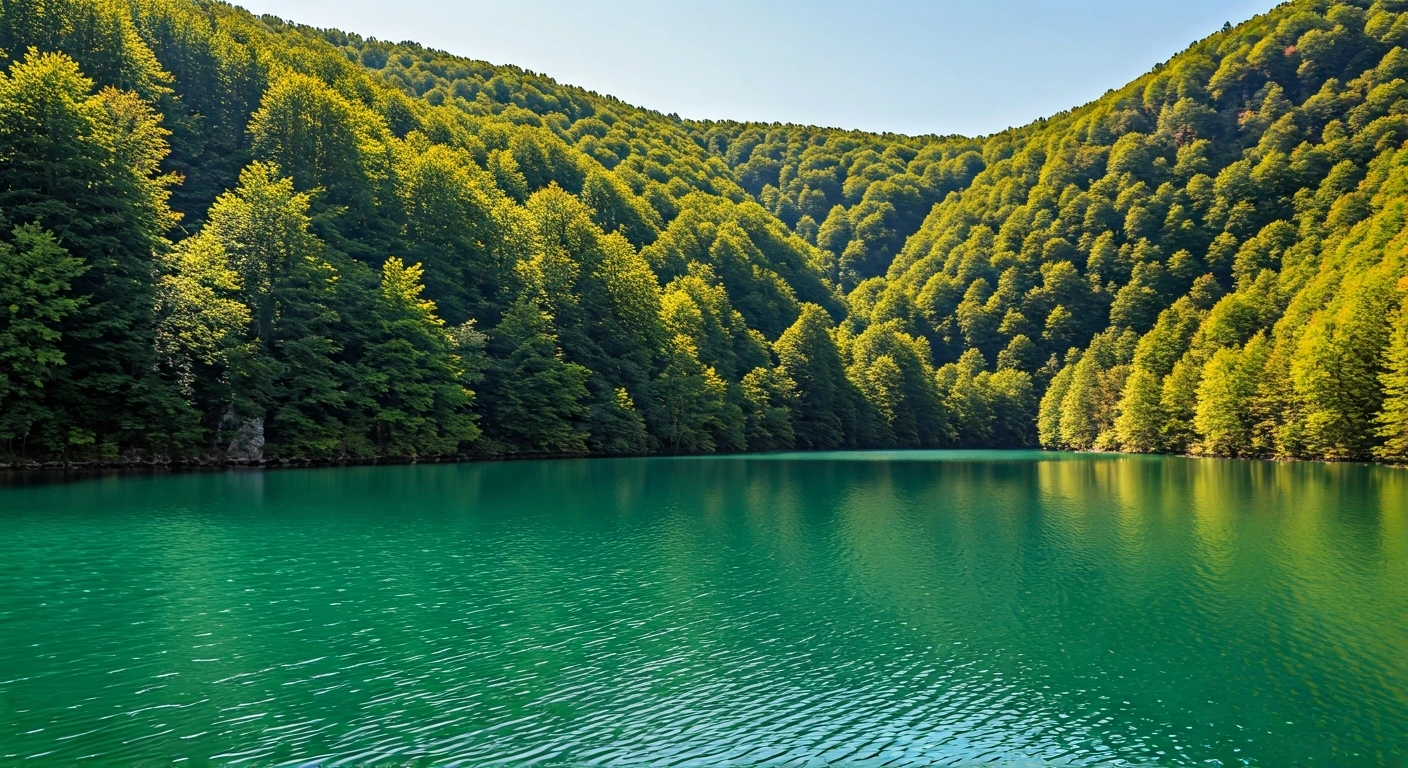
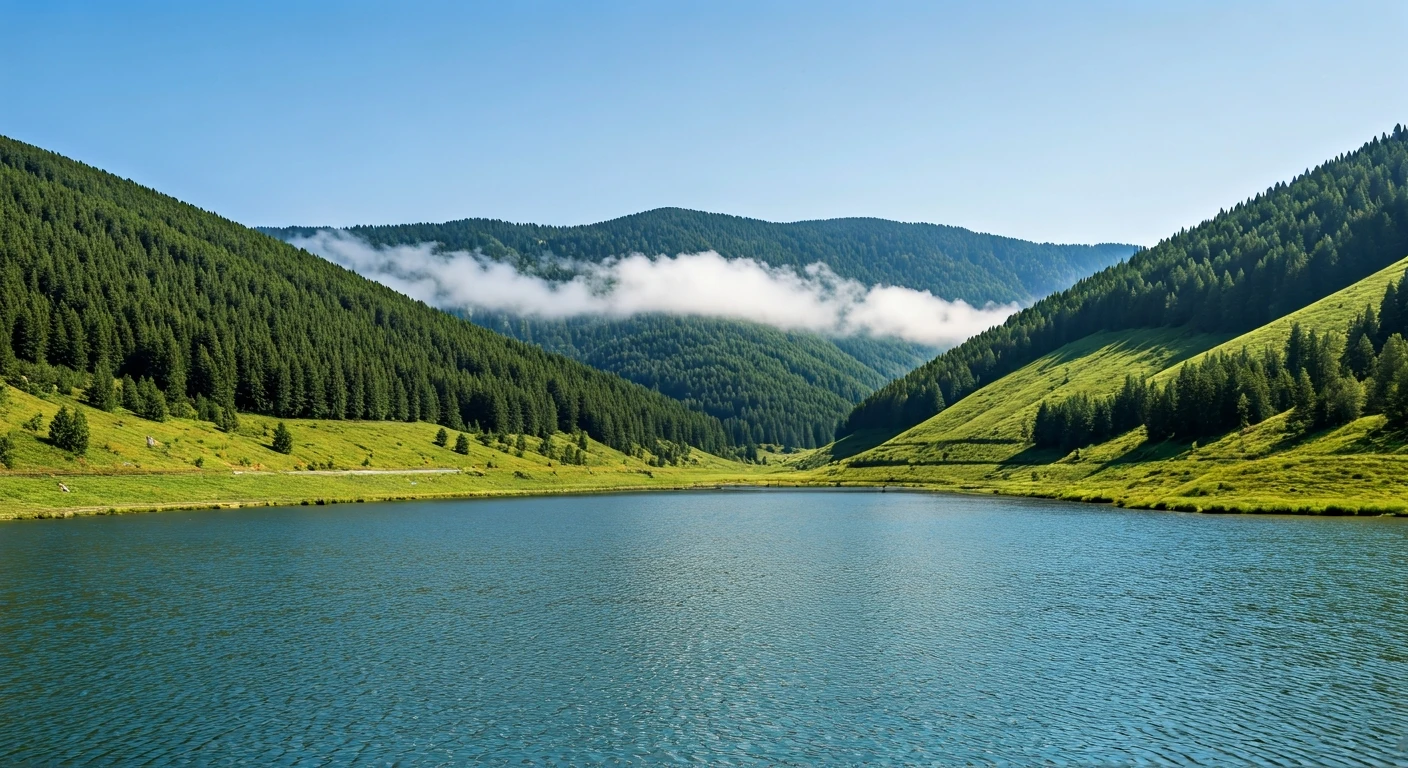
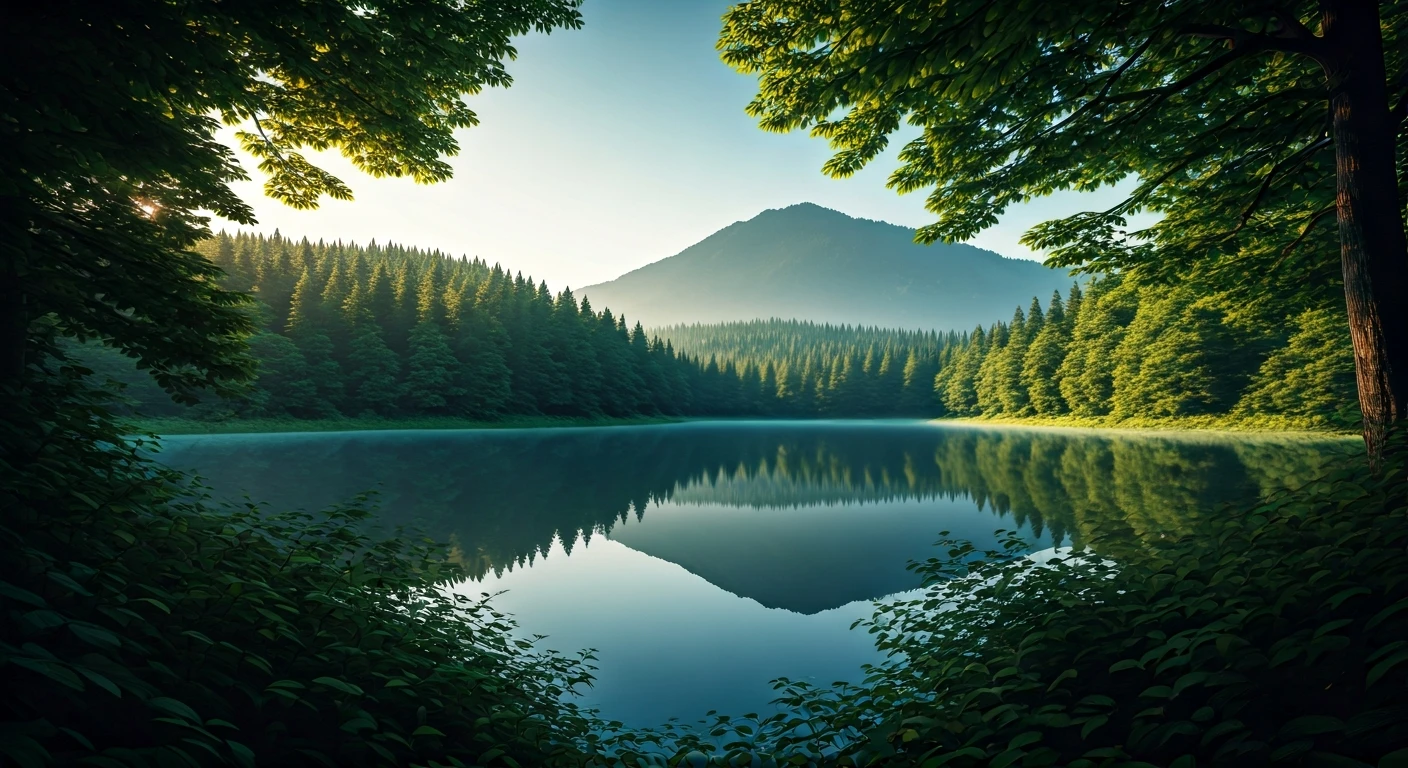
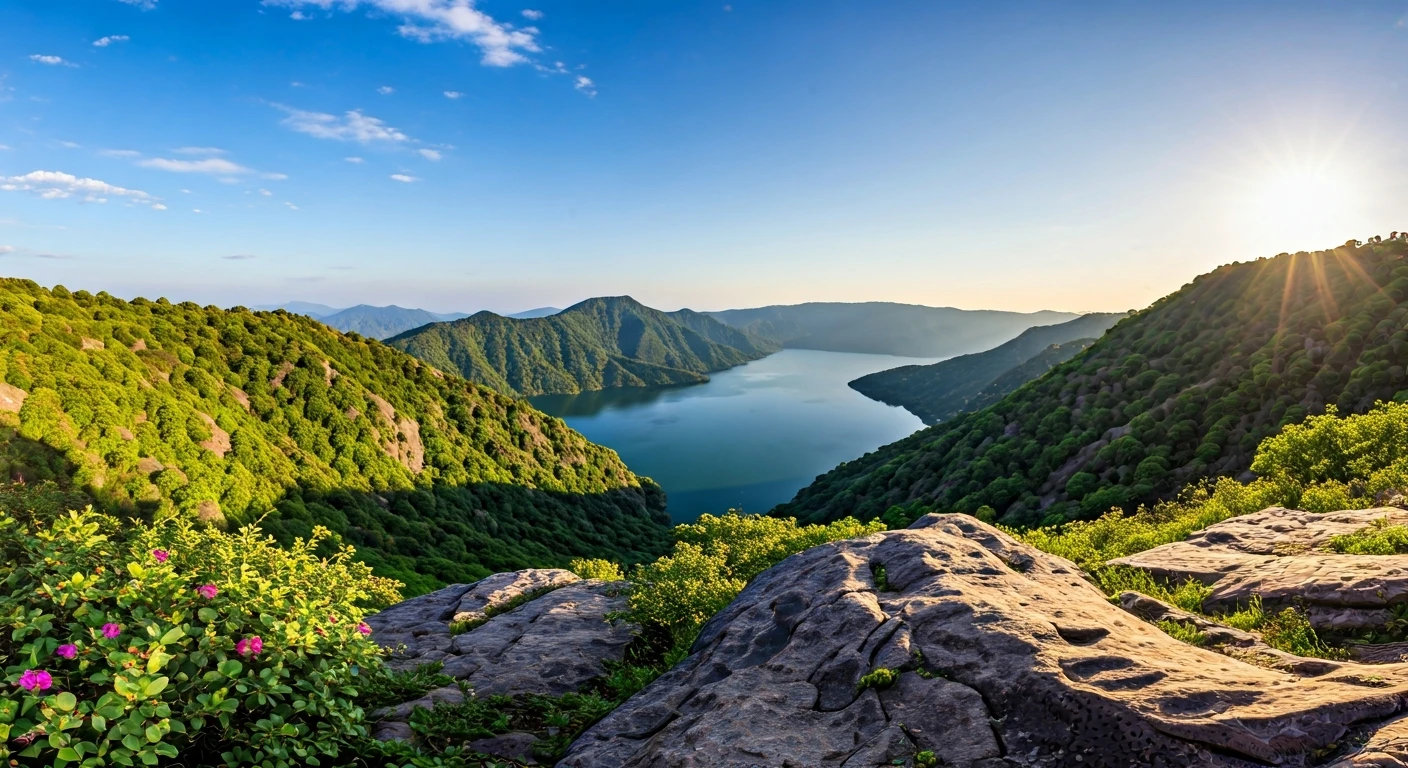
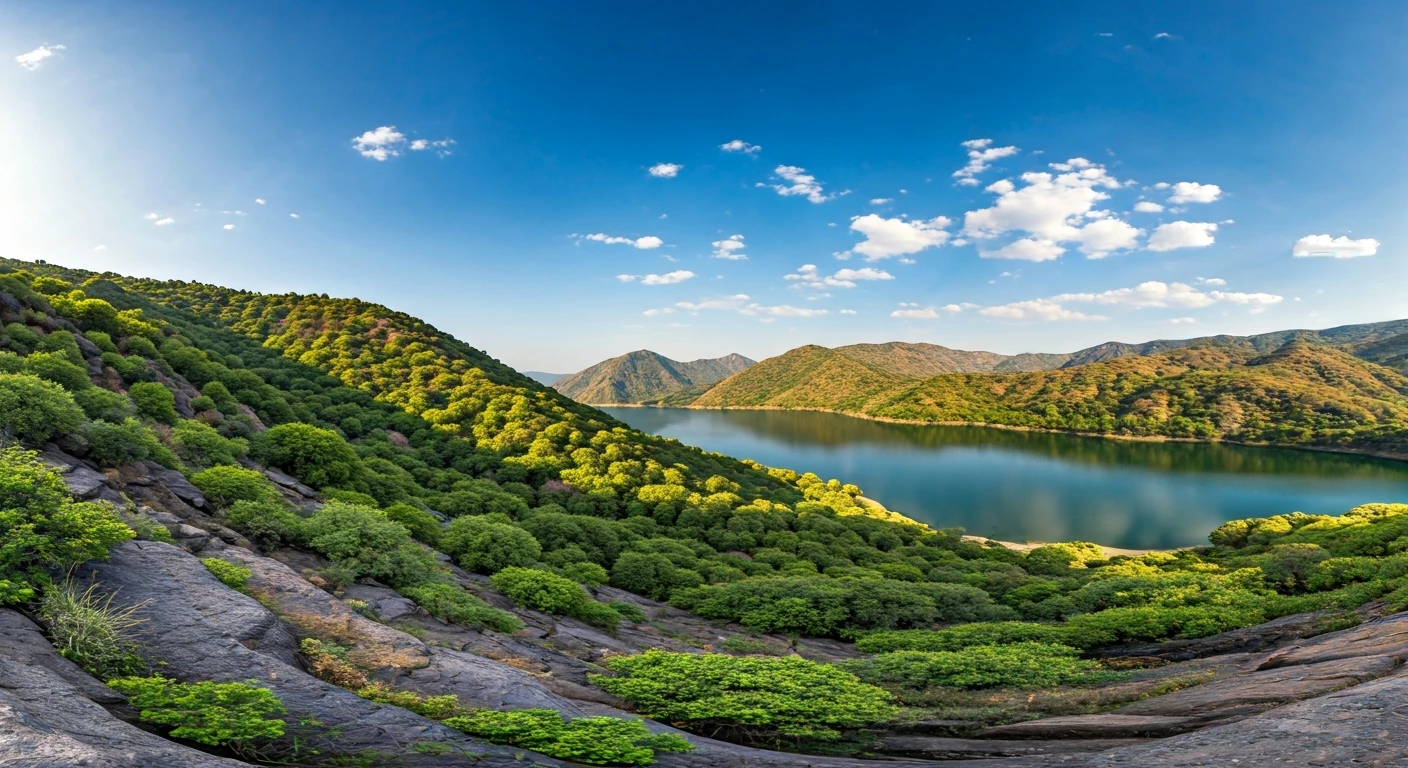
While the climate is the main draw, Mount Abu is rich with cultural and natural attractions. The heart of the town is Nakki Lake, a serene body of water surrounded by hills and rock formations. Legend says it was dug by the gods using their fingernails ('nakh' means nail). Visitors can rent paddleboats or simply stroll along the lakeside promenade. The true cultural gems, however, are the Dilwara Temples. From the outside, they appear deceptively simple, but step inside, and you're met with some of the most intricate and breathtaking marble carvings in the world. Dating back to the 11th and 13th centuries, these Jain temples feature ceilings, pillars, and doorways so finely detailed they appear to be crafted from lace rather than stone. For panoramic views, a trip to Guru Shikhar, the highest point in the Aravalli Range, is a must, offering a stunning vista of the entire region.
A Taste of Local Life and Travel Tips
Mount Abu is not a sprawling metropolis; it’s a relatively small resort town, which is a key part of its charm. The main market area near Nakki Lake is a bustling hub of small shops selling local handicrafts, textiles, and souvenirs. It’s also the perfect place to sample local vegetarian cuisine. Unlike the heavily meat-influenced dishes of other Rajasthani regions, the food here is simpler, with an emphasis on fresh produce. For the American traveler, getting to Mount Abu requires a bit of planning. The nearest airport is in Udaipur (about a 3-hour drive), and the nearest railway station is Abu Road (about a 45-minute drive up the mountain). Taxis are readily available from both locations. It’s wise to book accommodations in advance, especially for a June visit, as the best hotels with valley views fill up quickly. Pack light layers and a rain jacket, and prepare for a more relaxed pace of travel than you’d find in India's major cities.